
Picking
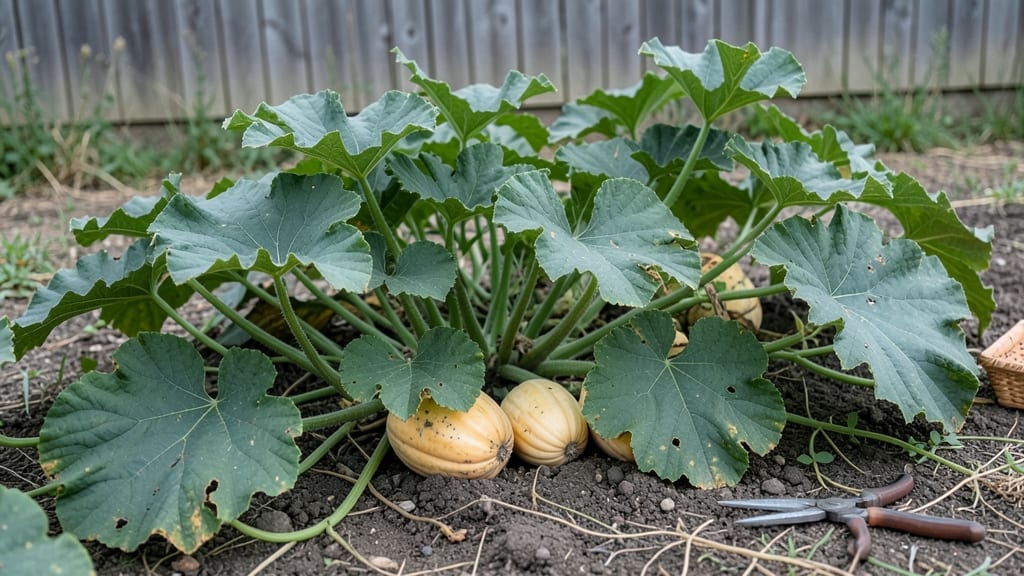
Picking spaghetti squash from your garden at the right moment turns tough flesh into perfectly tender strands—and missing the window means stringy, flavorless disappointment.
Harvesting too early gives you a rock-hard center, while waiting too long risks frost damage or a vine that collapses under the weight. The secret lies in three simple cues: the skin’s color shift, the stem’s dry snap, and the fruit’s surprising heft.
In USDA Zone 6a, that window usually opens in late summer—around September—but the calendar is just a starting point. Here’s how to read your plant’s signals before you reach for the knife.
You’ll learn the exact texture test that replaces guesswork, how to avoid the two most common mistakes, and why a yellowing vine is actually a good sign—not a warning.
3 Visual cues to identify perfectly ripe spaghetti squash
Harvesting your spaghetti squash at the right moment transforms a bland, fibrous mess into a tender, golden noodle that’s perfect for roasting. The key lies in three visual cues that tell you—without cutting into the fruit—when it’s time to pick.
Ignore these signs, and you risk overripe squash with a watery texture or underripe squash that’s tough and unappetizing.
Unlike other winter squash, spaghetti squash doesn’t rely on bright color alone for ripeness. Instead, it’s a combination of skin texture, stem changes, and fruit size that signals peak harvest time. Mastering these cues ensures you’ll enjoy that al dente, stringy interior every time—no guesswork required.
- 1. Skin Color Shift: Look for a dull, matte yellow (not shiny green). Overripe squash turns orange, while underripe stays greenish.
- 2. Stem Dries & Snaps: The stem should be wooden-brown and easily break when bent—like a dry twig. Green stems mean wait longer.
- 3. Heavy for Its Size: A ripe squash feels surprisingly heavy due to dense flesh. Lift it—if it’s lightweight, it’s not ready.
Let’s start with the most obvious clue: skin color. A perfectly ripe spaghetti squash will have a dull, matte yellow rind—think of a waxed paper finish, not the glossy green of an unripe fruit. This shift happens as the sugars convert inside, softening the strings.
If your squash is still green with a waxy sheen, it needs more time on the vine. Conversely, if the skin turns orange or brown, you’ve waited too long, and the flesh may be grainy or waterlogged.
The stem is your second secret weapon. When ripe, it should be dry, brown, and brittle—almost like a dead twig. Gently bend it: if it snaps cleanly (not tears), your squash is ready.
A green, flexible stem means the fruit is still maturing. This cue is especially critical in humid climates, where stems can stay green longer but the squash is still ripe inside.
Size matters more than you’d think. A ripe spaghetti squash typically measures 12–18 inches long and 6–8 inches wide, but weight is the real giveaway. Lift it off the vine—if it feels heavy for its size, the seeds and flesh are fully developed.
An underripe squash will feel light and hollow, like it’s filled with air. Pro tip: Compare two squash of similar size—the heavier one is always riper.
Timing your harvest also depends on your climate zone. In USDA Zone 6a (like much of the Midwest), aim to pick between late September and early October, before the first frost.
In warmer zones (like Zone 9), you might harvest as late as November. But never wait for frost—cold temperatures turn the flesh mushy and seedy, ruining the texture.
One common mistake? Harvesting based on vine color alone. While yellowing vines often signal ripeness, some varieties (like ‘Golden Nugget’) keep green vines even when the squash is ready.
Always check the skin and stem first. Another pitfall? Assuming bigger means better. A giant squash might be overripe—focus on maturity cues, not size.
For container growers, these cues still apply, but watch for crowded roots slowing ripening. If your potted squash meets all three visual cues but the pot feels root-bound, harvest immediately—delaying risks stunted growth or pest damage.
In containers, size limits often mean you’ll harvest slightly earlier than in-ground plants, so prioritize the skin and stem over length.
Once you’ve confirmed ripeness, use a sharp pruning shear to cut the squash from the vine, leaving a 1-inch stem attached. This prevents rot during curing. Store ripe squash in a cool, dry place (50–55°F) for up to 3 months.
If you’re unsure, harvest a few days early—they’ll ripen at room temperature over 3–5 days, giving you a second chance for perfect noodles.
Master these three cues, and you’ll never again end up with tough, stringy squash or watery disappointment. Next time, trust your eyes—and your fingers—to tell you when it’s time to pick. Your future roasted squash dinners will thank you!
How to test spaghetti squash ripeness before harvesting (no guessing!)
Picking spaghetti squash too early means underdeveloped strands, while waiting too long risks overripe fruit that turns mushy. The good news? You can test ripeness without cutting into the squash using simple visual and tactile checks. These methods let you confirm readiness in seconds—no guesswork required!
Start by examining the skin color and stem condition, then move to the thumb press test. These three steps work together to give you a 100% accurate ripeness assessment.
I’ve used these tricks for years in my garden, and they’ve never failed me—especially when I’m eager to harvest but don’t want to ruin a perfect squash!
-
Step 1Check the skin color: Press your fingernail into the rind. If it doesn’t dent and the skin is dull yellow (not shiny green), it’s ready. A green or soft rind means it needs more time.
-
Step 2Inspect the stem: The vines should yellow and the stem should snap when bent (not bend slowly). A green vine or flexible stem means the squash isn’t ripe yet.
-
Step 3Perform the thumb press: Press your thumb firmly into the squash’s neck. If it doesn’t leave a deep dent and feels solid, it’s ripe. A soft or dented spot means it’s overripe.
-
Step 4Weigh it in your hand: A ripe squash feels heavy for its size. If it feels light, it’s not ready—keep monitoring it daily.
Pro tip: Harvest in the morning when temps are cool to preserve freshness. Use a sharp knife or pruners to cut the stem, leaving a 1-inch stem attachment to extend shelf life. Store in a cool, dry place (50–55°F) for up to 2 months!
If you’re still unsure, wait 24–48 hours and retest. Overripe squash won’t improve—it’ll just shrink and spoil. But with these tests, you’ll nail the perfect harvest every time! 🎃