
Pests
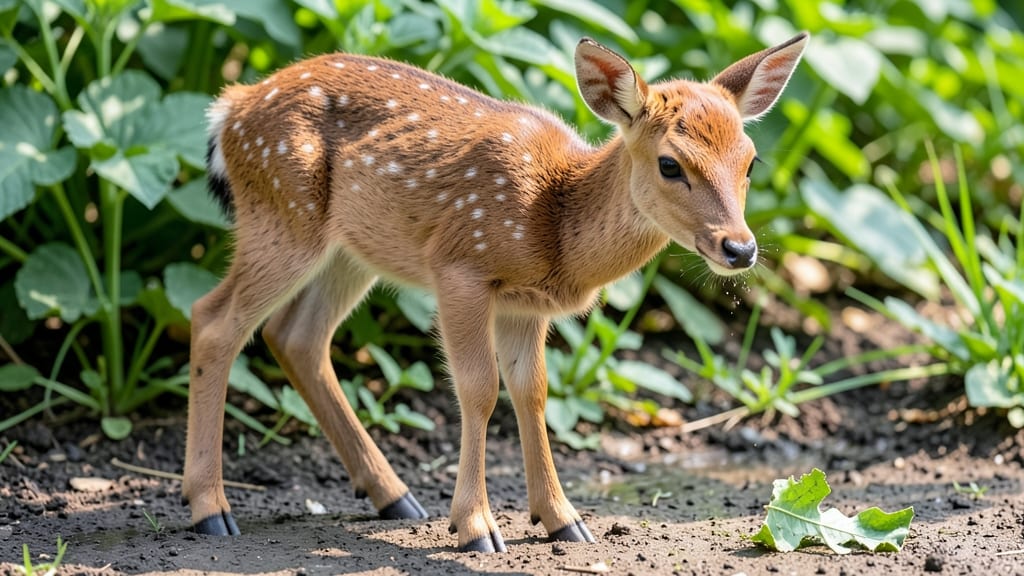
Deer-proofing your garden starts with understanding their sneaky habits. 🌿 I’ve watched these graceful giants turn my prized hostas into a salad bar overnight—until I learned their telltale signs: broken stems, cleanly clipped leaves, and the telltale hoof prints in my soil.
The good news? You don’t need expensive fences or harsh chemicals to keep them away.
Natural barriers work best when layered. Plant deer-resistant varieties like lavender, Russian sage, or boxwood along your garden edges—they’re like a "do not enter" sign in deer language. Add physical deterrents like tall fencing (at least 8 feet high) or even a simple wire mesh hidden beneath plants.
Deer are creatures of habit, so disrupting their path with motion-activated sprinklers or reflective tape can also work wonders.
Once you’ve blocked their access, focus on what thrives without becoming their next snack. Deer-resistant plants aren’t just tough—they’re often fragrant, drought-tolerant, and stunning. Think peony, butterfly bush, or even marigolds—they’ll keep your garden lush while sending deer packing.
The key is consistency: deer learn boundaries, but they’ll keep testing if you give them an inch.
Seasonal strategies matter too. In spring, when hunger drives them, double down on repellents. By summer, they’re more selective—so focus on maintaining those barriers. And if all else fails? A few hot pepper sprays or rotten eggs (yes, really) can send them running. Your garden will thank you.
Why Deer Invade Gardens
Deer may look graceful as they glide through forests, but when they wander into your garden, they can turn your green oasis into a buffet zone. Understanding why these elegant browsers show up uninvited is the first step to keeping them away naturally.
Here’s a breakdown of the key reasons—backed by science—and what you can do about each.
Deer are opportunistic generalist herbivores, meaning they’ll eat almost any plant they can reach. When their natural food sources—like grasses, shrubs, and forest understory—become scarce due to drought, overgrazing, or seasonal changes, your garden becomes an easy alternative.
Research from the U.S. Forest Service shows that deer populations often increase in suburban areas precisely because human landscapes provide year-round food.
🔍 Actionable Fix:
- Remove temptation: Avoid planting deer favorites like hostas, tulips, roses, and fruit trees. Opt for deer-resistant plants like marigolds, lavender, or boxwood.
- Supplement their diet elsewhere: If deer frequent your neighborhood, consider installing a wildlife-friendly food plot in a less destructive area (e.g., a corner of your yard or a community space) with clover or alfalfa.
As forests shrink and suburban sprawl expands, deer lose their natural territories. A study in Wildlife Society Bulletin found that deer densities can double in developed areas because humans inadvertently create ideal conditions: shelter (trees, fences), water (ponds, sprinklers), and food (landscape plants). Without predators or territorial rivals, they wander freely—and your garden is prime real estate.
🔍 Actionable Fix:
- Break up their cover: Thin out dense shrubs or tall grasses near your property line to reduce hiding spots. Deer feel exposed in open areas and are less likely to linger.
- Block access points: Use natural barriers (like thorny hedges or tall grasses) to create a buffer zone between wooded areas and your garden.
Deer are most active at dawn and dusk (crepuscular behavior), but their garden raids can escalate in specific seasons:
| Season | Why It Happens | Deer’s Motivation |
|---|---|---|
| 🍂 Fall | Deer bulk up for winter by consuming 300–500% more food (per the Deer Resistant Plants Database). | High-calorie snacks like acorns, apples, and garden veggies. |
| ❄️ Winter | Snow covers natural forage, forcing deer to raid easily accessible gardens. | Desperation for any green or stored food (e.g., bulbs, evergreens). |
| 🌸 Spring | Does (female deer) seek nutrient-rich plants to support fawns, while bucks (males) shed antlers and need extra protein. | New shoots, clover, and tender perennials. |
💡 Pro Tip:
- In fall, harvest excess fruit from trees before deer do. Use netting for berries and apples.
- In winter, provide alternative food like corn or hay in a designated area far from your garden.
- In spring, delay planting until after fawns are weaned (late May–June in most regions).
In the wild, deer avoid areas with predators (coyotes, wolves), territorial rivals (other deer), or physical obstacles (thick brambles, rocky terrain). But in suburban gardens, these deterrents are often nonexistent. Without them, deer treat your yard like an all-you-can-eat salad bar.
🔍 Actionable Fix:
- Mimic natural deterrents:
- Plant thorny shrubs like barberry, holly, or pyracantha along property edges.
- Use motion-activated sprinklers (like the ScareCrow) to simulate predator activity.
- Disrupt their routine: Deer rely on scent and memory. Rotate barriers (e.g., move a temporary fence or sprinkler system weekly) to confuse them.
By addressing these root causes—food availability, habitat changes, seasonal needs, and missing deterrents—you can make your garden less appealing without resorting to harsh chemicals or lethal methods. The key is to outsmart, not outfight, their instincts.
Natural Ways to Keep Unwanted Visitors Out
Deer in your garden aren’t just a nuisance—they can turn your hard work into a buffet overnight. 🦌🌿 But don’t worry: with the right strategies, you can protect your plants without resorting to harsh chemicals or expensive fencing.
Below, we’ve mapped out practical, nature-friendly solutions based on the most common reasons deer invade gardens—and how to stop them for good.
Problem: Deer are agile jumpers and can scale low fences. Solution: Create barriers that are tall, sturdy, and deer-proof.
- 🔥 Install an 8-Foot Tall Fence Deer can leap up to 8 feet—so make sure your fence is at least that high, buried 6–12 inches underground to prevent digging. Use wood, metal, or vinyl (avoid chain-link, which they can see through).
- 🍳 Use Wire Mesh or Electric Fencing A 1-inch mesh wire fence (like hog wire) stretched 2 feet above ground deters deer without looking harsh.
For a low-cost, high-impact option, electric tape or wires (set to a safe low voltage) can train deer to stay away after a few shocks.
- 👨🍳 Plant Dense Hedges as a Living Barrier Thorny or aromatic plants like rosemary, barberry, or boxwood create a natural wall. Privet, holly, or Russian olive are also effective—just ensure they’re at least 5 feet tall to block deer’s view.
Problem: Deer rely on sight and smell—disrupt their senses to make your garden less appealing. Solution: Use natural repellents that confuse or scare them away.
- 🥘 Spray Homemade Repellents Mix rotten eggs, garlic, or hot peppers with water and a bit of dish soap. Spray on plants and fence lines—deer hate the smell! Reapply after rain. (Pro tip: 💡 Add a few drops of predator urine—available at garden stores—for extra deterrence.)
- 🔪 Hang Wind Chimes or Motion-Activated Devices Deer are skittish—loud, unpredictable noises (like chimes, pinwheels, or solar-powered alarms) can keep them moving. Place them near entry points where deer enter your yard.
- 🌡️ Use Dog or Human Hair Deer avoid areas where predators (or humans) frequent. Collect hair from your brush or a local groomer, soak it in water and rotten eggs, then scatter it around plants. Refresh every few weeks.
Problem: Deer learn quickly—if they find food, they’ll keep coming back. Solution: Remove incentives and make your garden less appealing than the wild.
- 🎯 Eliminate Easy Snacks Deer love tender shoots, flowers, and young plants. Harvest fruits/veggies promptly, remove fallen leaves, and avoid planting deer favorites (like hostas, tulips, or daylilies) near the fence line.
- 🌱 Plant Deer-Resistant Alternatives Swap vulnerable plants for bitter, fuzzy, or aromatic varieties:
- Flowers: Marigolds, snapdragons, daffodils
- Vegetables: Kale, Swiss chard, peppers
- Shrubs: Lavender, salvia, Russian sage
- ✨ Rotate Repellent Strategies Deer get used to smells and sounds—change tactics seasonally. In spring, use sprays; in summer, rely on noise; in fall, remove fallen fruit before it attracts them.
To keep deer out for good, follow this maintenance plan:
| Task | How Often | Why It Works |
|---|---|---|
| Inspect fences for gaps | Every 3 months | Prevents new entry points. |
| Reapply repellents | After rain | Keeps scents strong. |
| Trim overgrown hedges | Seasonally | Maintains barrier height. |
| Remove fallen fruit | Weekly | Stops deer from associating your yard with food. |
| Test electric fencing | Monthly | Ensures it’s still functional. |
Final Thought: Deer aren’t trying to ruin your garden—they’re just following their instincts. By combining barriers, repellents, and smart planting, you can outsmart them without harming the environment. 🚀 Start with one or two methods, track what works, and adjust as needed. Your garden will thank you!
Frequently asked questions
What are the first signs deer are visiting my garden?
Look for cleanly clipped leaves (not ragged edges from insects), broken stems, and hoof prints in the soil. Deer also leave behind droppings (pile-like pellets) and may trample plants. Check these areas at dawn or dusk when they're most active.
Can I use commercial deer repellents safely around pets and kids?
Always check labels for pet-safe certifications—some contain ingredients like capsaicin (hot pepper) or garlic that are harmless when dry. For extra safety, make your own spray with rotten eggs, dish soap, and water (reapply after rain). Keep kids and pets away until sprays dry completely.
How tall should my fence be to actually keep deer out?
Deer can jump up to 8 feet, so your fence must be at least that high. Bury the bottom 6-12 inches underground to prevent digging. For extra security, add an outward-facing overhang (like a 12-inch lip) to discourage climbing. Chain-link fences won't work—deer see through them.
Are there plants that deer completely avoid?
No plant is 100% deer-proof, but deer strongly dislike bitter, aromatic, or fuzzy-leaved plants. Top choices include lavender, Russian sage, boxwood, daffodils, and peonies. Even these may get nibbled during harsh winters—just plant them strategically near barriers.
What's the most effective low-cost solution for small gardens?
Combine wire mesh (1-inch diameter) with homemade repellents. Stretch the mesh 2 feet above ground around vulnerable plants—deer can't see through it. Add rotten egg spray and wind chimes near entry points. This costs under $50 and works for most suburban plots.