Plants
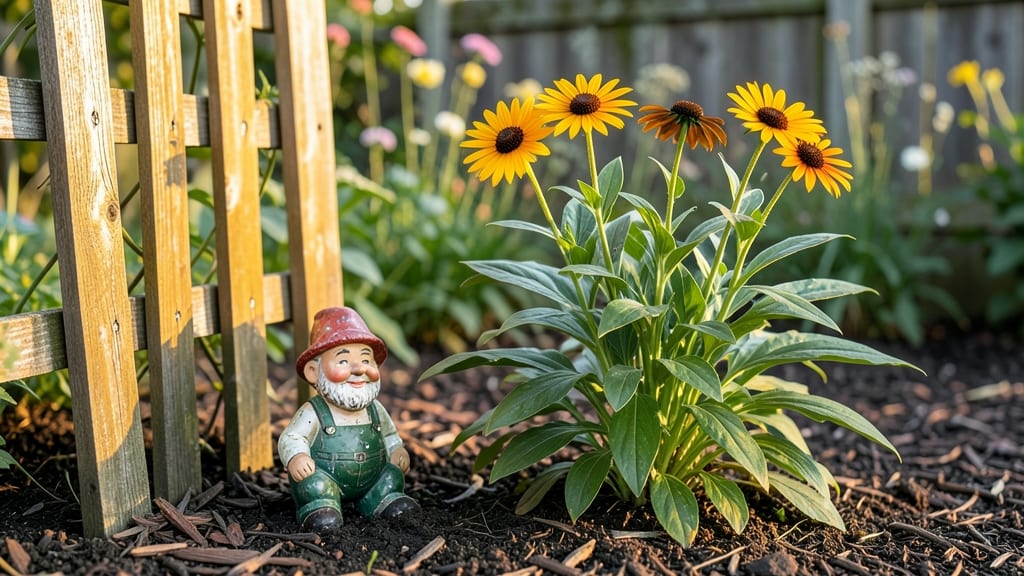
A backyard garden lover can transform their outdoor space with hardy, low-maintenance plants like lavender, hostas, and sedum that require minimal care while offering year-round beauty and resilience against pests. Choose drought-tolerant varieties for effortless upkeep and vibrant blooms in any season.
A backyard garden lover's dream is all about balancing beauty with practicality.
These resilient plants not only survive with minimal watering but also thrive in various climates, making them perfect for both beginners and seasoned gardeners. 🌿 Lavender, for example, deters pests naturally while adding fragrance, while hostas provide lush foliage that hides weeds.
The key is selecting varieties that match your local conditions—whether it's sandy soil or full sun exposure—so your garden stays vibrant with almost no effort.
What sets these plants apart is their ability to adapt. Most need little more than occasional pruning and mulch to keep weeds at bay. I always recommend starting with just 3-5 types to avoid overwhelming yourself—this way, you can focus on perfecting your layout while still enjoying immediate results.
The payoff? A garden that looks stunning with almost no daily maintenance.
💡 In This Article
- Why These Plants Excel for Low-Maintenance Gardens
- Planting and Care Tips for Year-Round Success
Why these plants excel for low-maintenance gardens
These standout plants thrive because of their deep-root systems and specialized adaptations. Lavender, for instance, has roots that extend 3-4 feet deep, accessing moisture far below the soil surface.
This allows it to survive on as little as 1 inch of water per week once established, making it perfect for dry climates. Hostas, while not drought-proof, store water in their thick leaves and can go 2-3 weeks without watering in cooler months when evaporation slows.
The real magic happens at the cellular level. Sedum's succulent leaves store water in their thick, fleshy cells—up to 90% water content—while its waxy cuticle reduces evaporation by 30-40% compared to regular plants. This adaptation means sedum can bounce back from droughts that would kill most garden plants.
The aromatic oils in lavender, meanwhile, act as a natural pest repellent by disrupting insects' olfactory systems, creating a 5-10 foot protective zone around each plant.
Sunlight preferences vary dramatically between these plants, but their adaptability is key. Lavender thrives in full sun (6+ hours daily) but can tolerate 3-4 hours if given well-draining soil.
Hostas prefer partial shade (3-6 hours of sun) to prevent leaf scorch, while sedum handles full sun to partial shade equally well. This flexibility means you can mix them in almost any sunny or partially shaded spot without worrying about placement.
Seasonal growth patterns further reduce maintenance needs. Most of these plants enter dormancy in winter, conserving energy and requiring no special care. Lavender's woody stems die back naturally, while hostas' evergreen foliage provides winter interest.
Sedum's colorful stems often persist through winter, adding visual appeal without extra effort. The key factor is their ability to regenerate quickly in spring from established root systems rather than needing annual replanting.
Soil preferences are surprisingly forgiving. Lavender and sedum both prefer well-draining, slightly alkaline soil (pH 6.5-7.5) but can adapt to pH 5.5-8.0 with proper drainage. Hostas are more flexible, thriving in rich, moist soil (pH 6.0-7.5) but tolerating clay if amended with compost.
This adaptability means you can grow them in most backyard soils with minimal prep—just avoid waterlogged areas.
What most gardeners don't realize is how these plants work together. The deep roots of lavender and sedum break up compacted soil, improving aeration for hostas' shallow root systems. Their different growth habits—lavender's upright stems, hostas' ground cover, sedum's trailing varieties—create natural layers that suppress weeds while maximizing visual interest.
This self-sustaining ecosystem means your garden does more of the work for you.