Planting
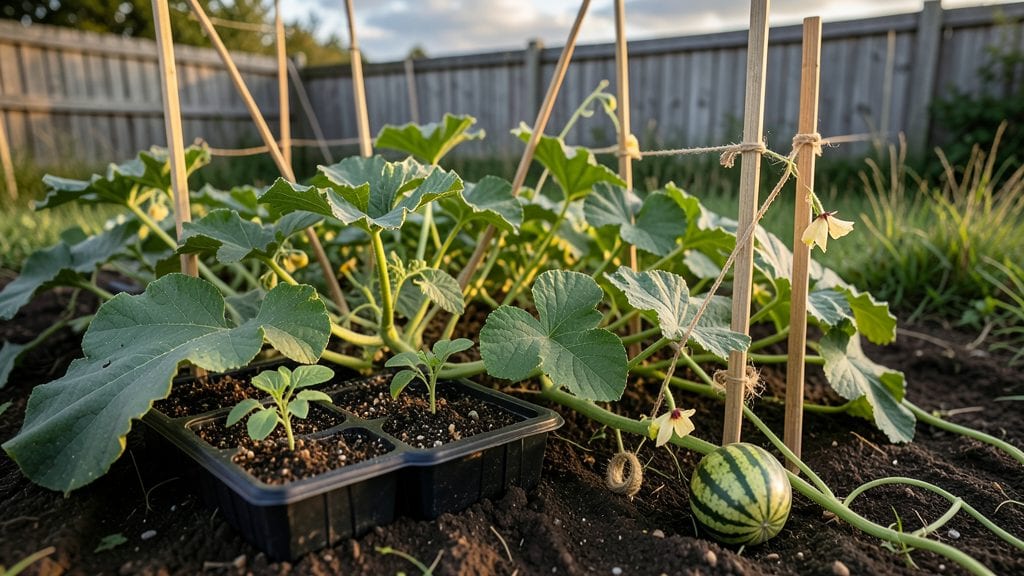
Proper watermelon garden spacing is the difference between a 6-foot vine with one sad melon and a sprawling, high-yielding 🍉 patch that feeds the neighborhood.
Struggling to get your watermelon vines to thrive? The secret to bountiful harvests often lies in how you space them—too close, and your melons fight for sunlight; too far, and you waste precious garden space. Here’s the science-backed guide to spacing watermelon plants for explosive growth and jaw-dropping yields.
In Zone 6, where summer days stretch long and hot, spacing isn’t just about fitting plants into your plot—it’s about giving each vine the room to stretch, breathe, and produce heavier, sweeter fruit.
Whether you’re planting in rows or containers, the right distance keeps diseases at bay and maximizes every square foot of your summer garden.
Below, I’ll break down the exact spacing you need for different varieties, how to adjust for small spaces, and the common mistakes that rob your harvest before it even starts. Ready to turn your patch into a melon goldmine?
Optimal watermelon garden spacing by variety and growing conditions
Watermelon plants thrive when given the right amount of space to spread their vines and develop healthy fruit. Proper spacing ensures maximum sunlight exposure, reduces competition for nutrients, and prevents disease spread.
But here’s the catch: spacing needs vary wildly depending on whether you’re growing slicing watermelons, seedless varieties, or heirloom types. Even your growing method—ground planting, trellises, or containers—plays a huge role.
For example, standard slicing watermelons like Sugar Baby need 3-4 feet between vines and 6-8 feet between rows to avoid overcrowding.
Meanwhile, compact varieties such as Bush Champion can thrive with just 2 feet between plants and 4 feet between rows. Seedless watermelons often require slightly more elbow room—around 4 feet between vines—because their vines tend to sprawl wider to support larger fruits.
Now, let’s talk about growing conditions. Full sun is non-negotiable for watermelons, but how you arrange them affects everything from fruit size to ease of harvesting. In ground gardens, wide spacing is key, while trellising can cut vine spacing in half if you’re growing vertical varieties.
And if you’re container gardening? You’ll need large pots (at least 15 gallons) and dwarf varieties to avoid root-bound stress.
🌱
If you’re growing watermelons in containers, opt for dwarf varieties like Bush Champion or Black Diamond. Each plant needs a 15-gallon pot minimum, and you can space them 2 feet apart in a raised bed or container garden.
Just ensure your containers have drainage holes and you’re using lightweight potting mix to prevent root rot.
For trellised watermelons, reduce vine spacing to
How to adjust spacing for small gardens and urban growers
If your backyard is the size of a postage stamp or you're growing watermelons on a city balcony, don't despair! With the right spacing strategies, you can still grow plump, sweet watermelons without sacrificing your entire garden to sprawling vines.
The key is combining compact varieties, vertical training, and smart companion planting to maximize every square inch.
Urban gardeners often face unique challenges like limited sunlight, container constraints, and neighboring plants competing for resources. But by selecting the right watermelon types and implementing space-saving techniques, you can achieve yields that rival traditional gardens.
Let's explore how to make the most of your small space while keeping your melons thriving.
🌱 Space-Saving Solutions for Watermelons
- 🌿 Choose dwarf varieties: 'Sugar Baby' (2-3 ft vines) or 'Tiny Tim' (1-2 ft) need only 2-3 ft spacing compared to 6 ft for standard types.
- 🪴 Vertical trellis systems: Train vines up 6-ft tall trellises to save 80% ground space; use soft ties to avoid damaging stems.
- 🌱 Container gardening: Use 15-gallon fabric pots with 1 plant per container; place pots on raised platforms for better air circulation.
- 🌿 Companion planting: Interplant with bush beans (3 ft tall) or radishes (1 ft tall) to fill vertical space without competing for sunlight.
- ✂️ Pruning techniques: Remove side shoots below first 6 leaves to direct energy upward; prune laterals to 12 inches long for better air flow.
For urban balconies, consider hanging baskets with cascading varieties like 'Black Diamond' (4-5 ft vines). Suspend them from overhead trellises to create a vertical garden that maximizes your patio's edge space. Just ensure each basket has at least 12 inches of depth and drainage holes to prevent root rot.
When planting in small raised beds, arrange watermelons in a triangular pattern with 24-inch spacing between plants. This configuration allows for 3 plants per 4x4 ft bed while maintaining proper airflow. Add straw mulch around plants to suppress weeds and retain moisture, which is especially critical in container setups.
Don't forget about succession planting! In small spaces, plant a second batch of fast-maturing varieties like 'Crenshaw' (70 days) once your first harvest is complete. This extends your growing season without requiring additional space. Just be sure to rotate crops annually to prevent soil depletion and disease buildup.
Finally, monitor your plants closely for signs of overcrowding stress, such as yellowing leaves or stunted growth. If you notice these symptoms, immediately thin out weaker plants or adjust your trellis supports to give vines more room to breathe.
With these space-efficient techniques, you'll be harvesting homegrown watermelons even in the tightest urban gardens! 🍉