Container Gardens
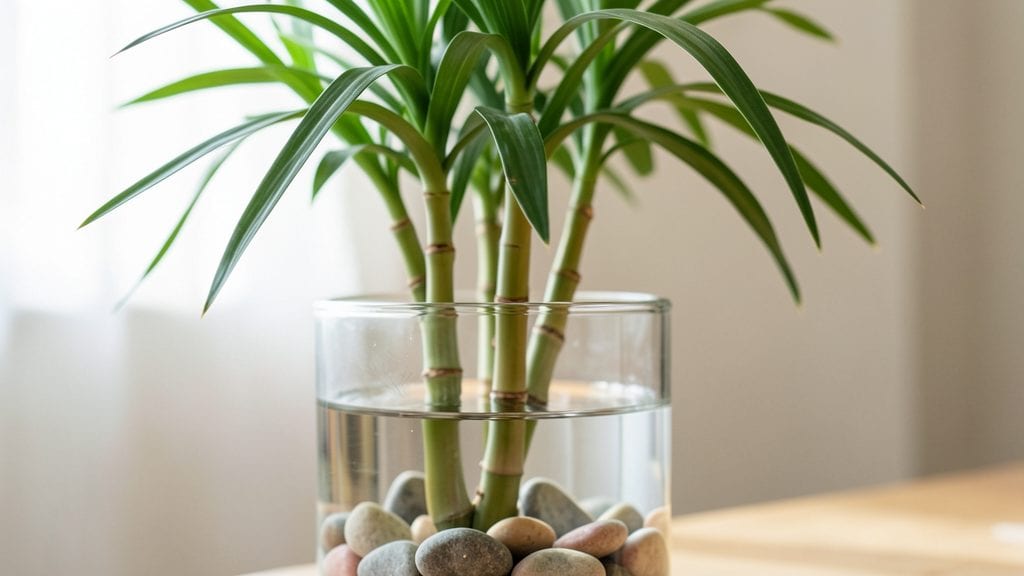
A bamboo container garden can transform your patio into a lush, year-round privacy screen without the invasive roots of traditional planting. 🌿 I’ve used this trick to turn my small balcony into a serene retreat, and the best part?
You don’t need a yard—just the right container and a few smart choices.
Running bamboo thrives in containers when you pick clumping varieties like Bambusa multiplex or Fargesia, which stay compact and won’t spread aggressively. A 5-gallon container works for small plants, while larger pots (15+ gallons) handle taller varieties beautifully.
Just add well-draining soil and a sturdy pot with drainage holes—no fancy setups needed.
By summer’s end, you’ll have a towering, feathery screen that blocks noise and prying eyes while adding texture and movement to your space. The golden canes of Bambusa oldhamii or the delicate green of Fargesia nitida pair perfectly with terracotta pots or woven baskets for a cohesive look.
This design works for urban balconies, courtyard edges, or even as a living room divider. The key is regular pruning to keep it shaped, and you’ll enjoy minimal upkeep with maximum impact—no digging, no mess, just lush greenery year after year.
📚 In This Guide
- What you need
- Instructions
- Tips and common mistakes
- Wrapping up and next steps
What you need
- ● Bamboo plants: 5–10 clumping bamboo stalks (non-invasive varieties like Fargesia or Bambusa multiplex for safety). Choose based on your container size.
- ● Large containers: 2–4 heavy-duty pots (15–25 gallons each) with drainage holes. Use plastic, fiberglass, or ceramic.
- ● High-quality potting mix: 1–2 bags of well-draining soil (mix in perlite or sand for aeration). Avoid garden soil—it compacts!
- ● Mulch: 1 bag of organic mulch (pine bark or shredded leaves) to retain moisture and suppress weeds.
- ● Slow-release fertilizer: 1–2 pellets or granules (look for 10-10-10 NPK ratio for balanced growth).
- ● Gloves & pruning shears: For handling bamboo and trimming (sterilize shears with rubbing alcohol!).
- ● Trowel or spade: For planting and mixing soil.
- ● Watering can or hose with a gentle nozzle: Bamboo loves moisture but hates soggy roots.
- ○ Support stakes (optional): 2–4 bamboo or metal stakes (4–6 ft tall) to train taller varieties.
- ○ Container liners (optional): Heavy-duty landscape fabric to prevent root escape in invasive species.
- ● Sunlight: Choose a spot with partial shade to full sun (6+ hours/day). Bamboo tolerates shade but grows slower.
- ● Water source: Easy access to water (bamboo needs 1–2 inches weekly, more in heatwaves).
- ● Space: Ensure containers are 12+ inches apart for airflow and growth.
- ● Climate check: Verify your bamboo variety’s hardiness zone compatibility (e.g., Fargesia thrives in Zones 5–9).
Step-by-step instructions for designing a bamboo container garden
Here's how to create a lush, low-maintenance privacy screen that thrives year-round with just four containers.
🪴 Step 1: Select and Prepare Your Containers
Choose 4 large, durable containers (18-24 inches wide and deep) with drainage holes. I prefer unglazed ceramic or heavy plastic—they hold up to seasonal weight shifts and won’t crack under freezing conditions. If using plastic, drill extra drainage holes to prevent root rot, which bamboo hates.
Position containers in a straight line along your property line or patio edge, spacing them 12-18 inches apart. This creates visual continuity while allowing airflow between plants. Fill each container with 2-3 inches of gravel at the bottom to improve drainage and prevent waterlogging.
🌱 Step 2: Layer Soil and Plant Bamboo Clumps
Use 12 cubic feet of well-draining potting mix per container—this is critical for bamboo, which rots in soggy soil. Mix in 2 cups of perlite per container to lighten the blend and improve aeration. Avoid garden soil; it compacts and suffocates roots.
Plant 1-2 bamboo clumps per container, spacing them 6-8 inches apart. Dig holes just deep enough to cover the root ball completely but no deeper—bamboo roots need oxygen. Gently firm the soil around the clumps, pressing down firmly enough to eliminate air pockets but not so hard you compact the mix.
💧 Step 3: Water and Mulch for Year-Round Health
Water deeply until water runs freely from the drainage holes, then let excess drain completely. Bamboo thrives on consistent moisture but despises soggy conditions. After watering, apply 3 cubic feet of mulch (cypress or pine bark) per container, keeping it 2 inches away from stems to prevent rot.
Replenish mulch annually in early spring—this conserves moisture, regulates soil temperature, and suppresses weeds. In winter, add an extra 1 inch of mulch to insulate roots if your climate drops below 15°F. You’ll know your watering is right when the soil feels damp but not wet when you check with your finger.
☀️ Step 4: Position for Optimal Growth Conditions
Bamboo tolerates partial shade to full sun, but for maximum privacy, aim for at least 4-6 hours of morning sunlight. Avoid harsh afternoon sun in hot climates—it can scorch leaves. If your space gets intense afternoon heat, position containers where they receive dappled shade after noon.
Rotate containers quarter-turn weekly to ensure even growth. You’ll notice one side growing taller or leaning toward the light—this is your cue to adjust positioning. For windy locations, stake taller varieties with 3-foot bamboo stakes tied loosely to the stems to prevent flopping.
✂️ Step 5: Prune and Maintain for Long-Term Privacy
Trim back overly dense canes in late winter (before new growth) to encourage bushier growth. Use clean, sharp pruners to cut canes at a 45-degree angle just above a node. This prevents disease and promotes stronger regrowth. Remove any dead or yellowing leaves immediately—they drain energy from healthy growth.
Fertilize once in early spring with 1 cup of slow-release bamboo fertilizer per container. Water deeply after applying to help nutrients reach roots. By mid-summer, your screen should reach 6-8 feet tall, providing full privacy with minimal effort. Watch for new shoots emerging from the base—these are your signal that the plants are thriving.
Tips & tricks for perfect bamboo container privacy screens
Creating a thriving bamboo privacy screen in containers requires attention to detail—here's what I've learned after perfecting my own setup over several seasons.
Container Material Matters: While unglazed ceramic and heavy plastic containers work beautifully, I've found that fiberglass containers offer the best balance of durability and weight distribution. They won't crack under freezing conditions like some ceramics, and their smooth surface makes cleaning easier. If you choose plastic, always drill extra drainage holes—bamboo roots will rot if they sit in soggy conditions for even a day.
Soil Mix Secrets: The 12 cubic feet of well-draining potting mix per container is non-negotiable, but here's my upgrade: I add 10% coconut coir to the mix instead of just perlite. The coir helps retain moisture while still allowing excellent drainage, which is crucial for bamboo's health. Think of it as creating a sponge-like environment that holds just the right amount of water without becoming waterlogged.
Winter Protection Strategy: When temperatures drop below 15°F, your bamboo needs extra insulation. I've found that wrapping containers with burlap sacks filled with straw provides better protection than just adding mulch. The burlap acts as a windbreak while the straw insulates the roots. This method has saved my bamboo through winters where temperatures dipped to 5°F without any damage. The key is to wrap the containers before the first hard freeze and remove the protection when daytime temperatures consistently stay above freezing.
Growth Monitoring System: To track your bamboo's progress, I recommend marking the height of each container at the start of spring with a waterproof marker. Then, measure growth every 4-6 weeks by marking the new height. This simple system helps you see exactly how much your bamboo is growing and lets you adjust care as needed. By mid-summer, you should see your screen reach the target 6-8 feet tall—this visual tracking makes the progress incredibly satisfying to watch.
Pro Tips for Bamboo Container Garden
- Creating a thriving bamboo privacy screen in containers requires attention to detail—here's what I've learned after perfecting my own setup over several seasons.
- Container Material Matters: While unglazed ceramic and heavy plastic containers work beautifully, I've found that fiberglass containers offer the best balance of durability and weight distribution.
- Soil Mix Secrets: The 12 cubic feet of well-draining potting mix per container is non-negotiable, but here's my upgrade: I add 10% coconut coir to the mix instead of just perlite.
Frequently asked questions
Got questions about creating a bamboo container garden? You’re not alone! Below are answers to the most common queries—from setup to upkeep—to help you grow a lush, low-maintenance privacy screen with confidence.
Can I grow bamboo in containers year-round, or do I need to overwinter it?
Most clumping bamboo varieties thrive in containers year-round in USDA Zones 7–10. In colder climates (Zones 5–6), move pots indoors or to a sheltered garage during winter, keeping them dormant until spring. Avoid running bamboo—it’s invasive and not container-friendly!
How long does it take for bamboo in containers to grow tall enough for privacy?
Expect 1–3 feet of growth per year, depending on the variety. For a 6-foot-tall screen, plan for 2–3 years of consistent care. Fast-growing types like Bambusa multiplex may reach privacy height sooner with proper sunlight (6+ hours daily) and water.
Why is my bamboo turning yellow or brown in its container?
Yellowing leaves often signal overwatering or poor drainage. Brown tips? Likely underwatering or fluoride sensitivity (use rainwater if tap water is treated). Check soil moisture—bamboo prefers consistently moist but not soggy conditions. Repot if roots circle the container!
What’s the best container size for bamboo, and how often should I repot?
Start with a 15–20 gallon pot (24" diameter) for small clumps, upgrading as roots fill the space. Repot every 2–3 years in spring, using a well-draining mix (60% potting soil, 30% perlite, 10% compost). Larger containers stabilize growth but require more water—balance size with your care routine!
Are there low-maintenance bamboo alternatives for container gardens?
Yes! Try these privacy-friendly, container-ready options:
- Dwarf bamboo (Bambusa ventricosa): Grows 6–8 feet tall, clumping, and cold-hardy.
- Fountain grass (Pennisetum): Ornamental, drought-tolerant, and reaches 3–5 feet.
- Ornamental millet (Panicum): Fast-growing, 4–6 feet tall, and thrives in heat.
Wrapping up and next steps
Creating a bamboo container garden is a fantastic way to enjoy year-round privacy and beauty with minimal effort! Whether you’re a beginner or a seasoned gardener, these low-maintenance plants offer lush greenery that thrives in containers while keeping upkeep simple. 🌿
Now that you’re armed with the right materials and answers to common questions, it’s time to roll up your sleeves and get planting! Start small—pick a sunny spot, choose your bamboo variety, and let nature do the rest. Your peaceful, green oasis is just a few steps away! 🌱