
Watering
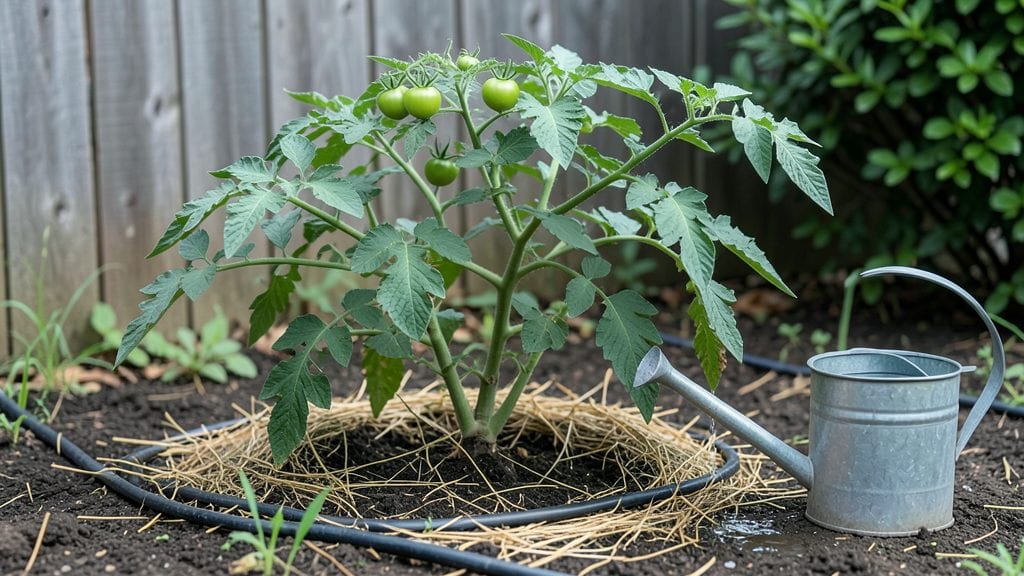
Watering your vegetable garden isn't just about keeping plants alive—it's about unlocking their full potential. 🌱 I learned the hard way that inconsistent watering leads to bitter tomatoes, bolted greens, and weak roots, but the right approach transforms your harvest.
The science is simple: plants need steady moisture at the roots, not random showers that dry out between waterings.
Start with the basics: early morning watering gives plants a full day to absorb moisture before the heat of afternoon. A simple finger test—stick your index finger an inch into the soil—tells you if it's time to water.
Drip irrigation or soaker hoses deliver water directly to roots, cutting waste and saving time, while hand-watering gives you control for delicate seedlings.
Watch for signs of trouble: wilting leaves mean thirsty plants, but yellowing foliage or mushy stems signal overwatering. Mulch helps retain moisture and keeps soil cool, while adjusting for seasonal needs—more water in summer, less in cooler months—keeps your garden thriving.
Root crops like carrots need deep, infrequent watering, while leafy greens prefer consistent dampness.
This method works for any garden size, from a few pots to a full plot. Once you master it, you'll see stronger plants, bigger yields, and fewer pests—because healthy soil means fewer problems. Let's get those roots drinking right!
📚 In This Guide
- What you need
- Instructions
- Tips and common mistakes
- Wrapping up and next steps
What you need
- ● Watering Can or Hose: A 5-gallon watering can (for precision) or a lightweight hose with adjustable nozzle (for larger gardens). Opt for a gentle spray or drip setting to avoid soil erosion.
- ● Soaker Hoses or Drip Irrigation: 10–50 ft. of ¼-inch tubing (depending on garden size) to deliver water directly to roots and reduce evaporation.
- ● Watering Timer: A smart or mechanical timer (e.g., Orbit B-Hyve) to automate watering schedules—perfect for busy gardeners!
- ● Rain Gauge: A simple 4-inch diameter gauge to monitor rainfall and adjust watering accordingly.
- ● Mulch: 2–3 inches of organic mulch (straw, wood chips, or shredded leaves) to retain moisture and suppress weeds.
- ● Moisture Meter: A digital probe-style meter (e.g., Xiaomi Mi Flower Care) to check soil moisture levels like a pro.
- ● Water Barrels or Rainwater Collection System: 5–20 gallon barrels to harvest rainwater and reduce water bills.
- ● Hand Trowel: For gently loosening soil around plants to improve water absorption.
- ● Garden Gloves: To protect your hands while handling tools or mulch.
Science-backed techniques for watering a vegetable garden
Mastering irrigation transforms your garden from hit-or-miss to consistently productive. Here's how to apply proven methods for healthy, high-yielding vegetables.
💧 Step 1: Determine Soil Moisture Needs by Touch
Check soil moisture daily by inserting your finger 1-2 inches deep—this is where roots actively absorb water. Sandy soil will feel dry at this depth within 1-2 days, while clay holds moisture for 3-5 days. I water when the top inch feels dry to the touch but the deeper layers remain slightly damp.
Morning is ideal for checking—soil is cooler and more representative of overnight moisture loss. Avoid watering after dark, as prolonged leaf wetness invites fungal diseases like powdery mildew. Your goal is consistent moisture, not soggy soil.
☀️ Step 2: Apply Water Deeply at Root Level
Use a soaker hose or drip irrigation to deliver water 6-8 inches deep, targeting the root zone rather than leaf surfaces. Shallow watering encourages weak, shallow roots that struggle during dry spells. I aim for 1-1.5 inches of water per week, delivered in 2-3 sessions rather than one long soak.
For container-grown vegetables, water until ½ inch of water drains from the bottom. This ensures thorough hydration without waterlogging. Mulch with 2-3 inches of organic material (like straw) to retain moisture and reduce evaporation by up to 30%.
⏰ Step 3: Water at Optimal Times for Maximum Efficiency
Schedule watering between 6 AM and 10 AM to minimize evaporation and allow foliage to dry before evening. Early morning watering also reduces pest pressure, as many insects are less active during cooler hours. I set a timer for 20-30 minutes daily during peak heat, adjusting based on rainfall.
Never water on a windy day—wind disperses droplets, wasting water and increasing disease risk. If rain is forecast, hold off until 24 hours after to prevent waterlogged soil. Use a rain gauge to track weekly totals, aiming for 1-1.5 inches combined from both rain and irrigation.
🌱 Step 4: Adjust for Vegetable-Specific Needs
Leafy greens like lettuce and spinach prefer consistent, shallow moisture—keep the top ½ inch of soil damp at all times. Root crops such as carrots and potatoes need deep, infrequent watering to develop properly. Tomatoes and peppers thrive with 1-2 inches of water weekly, delivered directly to the base.
Watch for wilting—it’s often a sign of either underwatering or overwatering. If leaves droop in the afternoon but recover by evening, the plant is thirsty. If they stay wilted overnight, it’s likely overwatered. Adjust your schedule based on these visual cues rather than sticking rigidly to a timer.
🌿 Step 5: Monitor and Troubleshoot Common Issues
Yellowing leaves often indicate overwatering or poor drainage. If the soil feels soggy and roots appear mushy, reduce frequency immediately. Brown, crispy edges suggest underwatering or salt buildup—flush the soil with extra water to leach out excess minerals. I always check drainage by digging a hole, filling it with water, and measuring how quickly it drains.
Pests like aphids thrive in damp foliage, so avoid overhead watering. If you must water leaves, do so early in the day and use a fine mist setting. For stubborn fungal issues, apply a copper fungicide as a preventive measure during humid periods. Consistent moisture management is the first line of defense against garden diseases.
Tips & tricks for perfect vegetable garden irrigation
A few science-backed strategies that'll make all the difference in your garden's health and productivity.
Soil Texture Matters: The 1-2 inch finger test in Step 1 works best when you understand your soil type. Sandy soil drains so quickly that you might need to water twice daily during heatwaves, while clay soil can go 3-5 days between waterings. I've found that mixing compost into heavy clay improves drainage dramatically—think of it as creating your own ideal growing medium. For container gardens, use a blend of potting soil and perlite to mimic this perfect balance.
Root Zone Precision: When applying water to 6-8 inches deep in Step 2, visualize your plant's root ball extending beyond what you see above ground. For mature plants, I often use a long screwdriver to check moisture at that depth—if it's dry, it's time to water. The key is consistent moisture at this level, not surface-level dampness that evaporates quickly. For seedlings, focus on keeping the top 2 inches moist until roots establish.
Timing Secret: The 20-30 minute daily timer in Step 3 is a great baseline, but real-world conditions vary. I've learned to adjust based on weather forecasts—if a heatwave is coming, I increase to 30-45 minutes daily. For container plants, I check weight: a dry container feels significantly lighter than a properly hydrated one. This tactile check eliminates guesswork and prevents both underwatering and overwatering.
Vegetable-Specific Adjustments: The wilting test in Step 4 is your best friend for troubleshooting. Leafy greens like lettuce might need morning and evening watering during summer, while tomatoes can handle their 1-2 inches weekly with just morning sessions. I've found that mulching with straw creates a microclimate that maintains even moisture—this is especially helpful for shallow-rooted herbs that dry out quickly.
Pro Tips for Watering Vegetable Garden
- A few science-backed strategies that'll make all the difference in your garden's health and productivity.
- Soil Texture Matters: The 1-2 inch finger test in Step 1 works best when you understand your soil type.
- Root Zone Precision: When applying water to 6-8 inches deep in Step 2, visualize your plant's root ball extending beyond what you see above ground.
Frequently asked questions
Got questions about keeping your veggie patch happy and hydrated? Here are some of the most common concerns—plus science-backed answers to help you grow like a pro!
How often should I water my vegetable garden?
Most vegetables need 1 to 1.5 inches of water per week, including rainfall. Water deeply 2-3 times per week (early morning is best) to encourage strong root growth. Shallow, frequent watering leads to weak plants. Pro tip: Use a rain gauge or tuna can to measure!
What’s the best time of day to water vegetables?
Water between 6:00 AM and 10:00 AM to reduce evaporation and fungal diseases. Avoid evening watering, as damp leaves at night invite pests and mildew. Exception: Leafy greens (like lettuce) tolerate afternoon watering better than root crops (carrots, potatoes).
Can I use rainwater or graywater for my garden?
Rainwater is chemical-free and ideal for plants. Graywater (from sinks/showers) is safe if it’s not from dishwashers or laundry with harsh detergents. Avoid soaps, salt, or bleach. Bonus: Set up a simple rain barrel system for free hydration!
Why are my vegetable leaves wilting even after watering?
Wilting can mean overwatering (roots suffocate), underwatering (dry soil), or transplant shock. Check the soil 1 inch down—if it’s dry, water more deeply. If soggy, improve drainage with compost or sand. Yellowing leaves? That’s often overwatering or poor drainage.
Do all vegetables need the same amount of water?
Not quite! Water-loving crops (like cucumbers, peppers, and tomatoes) need consistent moisture, while drought-tolerant plants (zucchini, beans, and squash) prefer occasional deep soaks. Root veggies (carrots, onions) hate soggy soil. Adjust based on your climate and plant type!
| Vegetable Type | Water Needs |
|---|---|
| Leafy greens (lettuce, spinach) | Keep soil evenly moist; shallow watering |
| Fruiting plants (tomatoes, peppers) | 1-2 inches per week; deep watering |
| Root crops (carrots, potatoes) | Moderate; avoid waterlogging |
Wrapping up and next steps
Mastering the art of watering your vegetable garden isn’t just about keeping plants alive—it’s about unlocking their full potential! 🌱 From understanding soil moisture to choosing the right tools and timing, science-backed techniques ensure your veggies thrive with minimal effort.
Whether you’re a beginner or a seasoned gardener, consistent, deep watering and mindful scheduling are your secret weapons for a bountiful harvest.
Now that you’re armed with the know-how, it’s time to roll up your sleeves and get growing!
Start by testing your soil’s moisture levels this week, then adjust your watering routine based on what you learn. Celebrate small wins—like lush leaves or the first signs of blossoms—and don’t forget to document your progress. Happy gardening, and may your future salads be extra vibrant! 🥗✨