
Pests
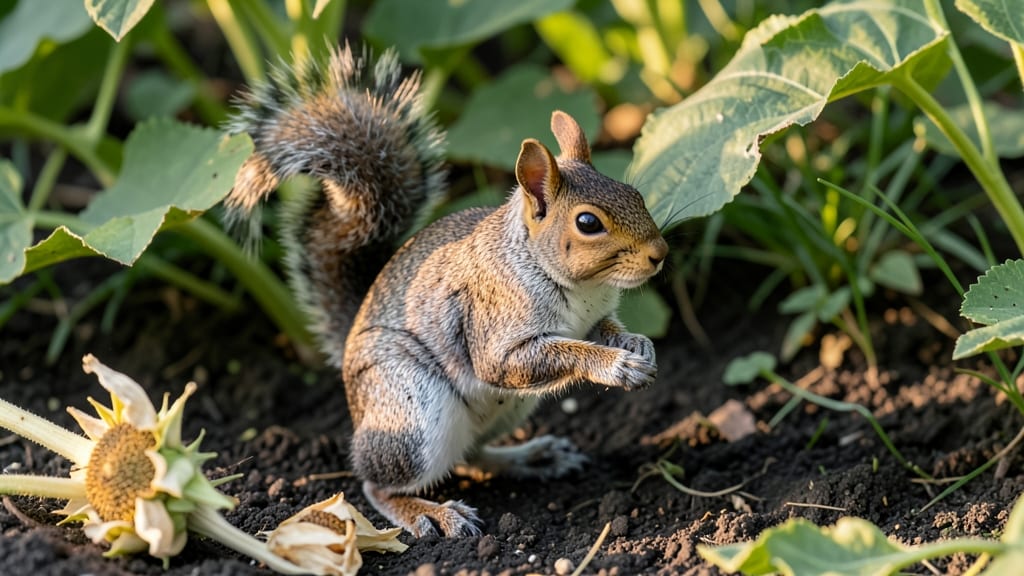
Transform your squirrel control garden with these clever, humane tricks that finally outsmart those acorn bandits—no traps or cruelty required. 🌱 After losing two entire tomato plants to squirrel raids last summer, I finally cracked the code with a mix of physical deterrents and clever plant placement.
You’ll need just a few supplies: wire mesh, plastic tree guards, and some pruning twine—nothing fancy, just practical. The trick is creating obstacles that squirrels can’t climb or dig through while keeping your plants accessible for you.
Most gardeners give up too soon because they try one method and expect miracles. I’ll show you how to combine strategies for long-term protection that actually sticks.
By the end, you’ll have a garden where squirrels take the hint and move on—leaving your veggies, flowers, and seedlings untouched. Picture this: ripe tomatoes still on the vine, seedlings growing unmolested, and no more frantic morning inspections for chewed leaves.
The best part? These methods work for raised beds, in-ground plots, and even container gardens without breaking the bank.
Fair warning: squirrels are clever, so you’ll need to be strategic. But once you’ve set up these barriers, you’ll wonder why you didn’t do it sooner. Let’s get started—your garden (and your sanity) will thank you.
📚 In This Guide
- What you need
- Instructions
- Tips and common mistakes
- Wrapping up and next steps
What you need
- ● Hardware cloth or wire mesh: 1/4-inch to 1/2-inch mesh (at least 4 ft tall, depending on tree/shrub size). Quantity: Enough to wrap vulnerable plants or create a perimeter fence.
- ● Plastic tree guards: Flexible, spiral-wrapped guards (6–12 ft tall, diameter to fit your plants). Quantity: 1–2 per young tree or shrub.
- ● PVC pipes or metal sleeves: 4–6 ft long, 4–6 inches in diameter (for protecting individual plants like bulbs). Quantity: 1 per high-risk plant.
- ● Heavy-duty zip ties or wire: For securing mesh or guards tightly (avoid plastic ties that squirrels can chew through).
- ● Staple gun or heavy-duty staples: For attaching mesh to fences or posts.
- ● Post-hole digger or auger: If installing a perimeter fence.
- ● Garden twine or burlap: For temporary barriers or camouflaging mesh.
- ● Squirrel repellent sprays: Non-toxic, pepper-based sprays (reapply after rain).
- ● Motion-activated sprinklers: Deters squirrels with a gentle burst of water.
- ● Reflective tape or old CDs: Hang near gardens to startle squirrels.
- ● Bird netting: Lightweight alternative for delicate plants.
- ● Gloves and knee pads: For comfort during installation!
Step-by-Step instructions for creating a squirrel-proof garden
Here's how to build a layered defense system that keeps squirrels out while keeping your garden thriving.
🪴 Step 1: Install Physical Barriers Around Planting Areas
Start with wire mesh barriers (at least 1/4-inch hardware cloth) buried 6 inches deep around garden beds. Squirrels can dig, so this prevents them from tunneling underneath. Secure the mesh with stakes every 2 feet to create a 3-foot tall wall—squirrels can't climb vertically like this. For raised beds, wrap the mesh around the outside and tuck it under the bottom edge.
I like to use black plastic mesh because it blends into the landscape better than silver. If you have young trees or shrubs, wrap the mesh around the trunk up to 4 feet high and secure it with soft ties—tight enough to deter chewing but not so tight it damages bark. This is especially critical for new plantings squirrels love to nibble.
💧 Step 2: Create Water and Light Deterrents
Squirrels avoid open spaces and unpredictable elements. Install motion-activated sprinklers (set to 1-2 second bursts) around vulnerable areas. The sudden spray startles them without harming them. Place sprinklers 12 inches from plant edges and adjust the coverage so the entire bed is protected. Test the range first—you want a 10-foot radius for maximum effectiveness.
For high-value plants, add reflective tape (like aluminum foil strips) wrapped around stakes. The flashing light confuses their spatial awareness. I also place bird feeders with squirrel-proof cages nearby—this distracts them from your garden. The key is making your garden feel like a high-risk, low-reward space for them.
☀️ Step 3: Use Natural Repellents Strategically
Apply hot pepper wax (a mix of 1 tablespoon cayenne pepper + 1 cup beeswax) to the outer leaves of vulnerable plants. The scent lingers and deters squirrels without harming the plants. Reapply every 2-3 weeks or after rain. For larger areas, sprinkle crushed red pepper flakes around the base of plants—squirrels avoid the strong odor.
Plant squirrel-repelling herbs like mint, rosemary, or lavender around the perimeter. Their strong fragrance masks the scent of your prized plants. I also place garlic cloves (peeled) in small mesh bags near high-risk areas—the sulfur smell confuses their foraging instincts. Rotate repellents every 4-6 weeks to prevent squirrels from adapting.
⏰ Step 4: Monitor and Adjust Barriers Seasonally
Check barriers weekly for gaps or damage. Squirrels will test weak points, especially in fall when food is scarce. Reinforce any holes with wire mesh patches or flexible plastic sheeting. In late summer, add extra mulch layers (like straw or pine needles) around the base of barriers—this makes climbing harder and deters digging.
Adjust deterrents based on squirrel activity. If you notice them digging near a specific plant, bury a shallow tray filled with water nearby—they’ll avoid the area. For persistent problems, try ultrasonic repellents (place them 10 feet from the garden bed). These emit high-frequency sounds that irritate squirrels but are inaudible to humans. Rotate methods to keep them guessing.
Tips & tricks for a squirrel-free garden
These battle-tested strategies will help you create a fortress against squirrels without harming these clever critters.
Barrier Depth is Non-Negotiable: When burying your 1/4-inch hardware cloth in Step 1, don't skimp on the 6-inch depth. Squirrels are expert diggers—they'll tunnel right through shallow barriers. I've seen them bypass 3-inch deep installations completely. For extra security, extend the barrier 12 inches outward from the plant base, creating an inverted L-shape that blocks both digging and climbing attempts.
Sprinkler Placement Strategy: The 1-2 second bursts from motion-activated sprinklers in Step 2 work best when positioned at head height for squirrels (about 18-24 inches above ground). Place them 12 inches from plant edges but angle them slightly toward the center of your garden. This creates a "no-man's-land" that squirrels avoid—any movement triggers the spray, making them associate your garden with unpleasant surprises. Test the range thoroughly; you want that 10-foot radius to cover all vulnerable areas.
Repellent Rotation System: The 4-6 week rotation for natural repellents in Step 3 is crucial because squirrels adapt quickly. I keep a schedule: hot pepper wax for 3 weeks, then switch to crushed red pepper flakes for 2 weeks, followed by garlic cloves for 1 week. This prevents them from getting used to any single scent. Pro tip: Store repellents in labeled containers with dates—consistency is key to long-term effectiveness.
Seasonal Adaptation: Fall is when squirrels become most determined, so in Step 4, I recommend adding extra mulch layers (like straw or pine needles) around barriers starting in late Augustshallow trays filled with water near problem areas—they'll avoid the soggy ground. And if you notice them focusing on specific plants, consider wrapping those stems with aluminum foil for an extra sensory deterrent.
Pro Tips for Squirrel Control Garden
- These battle-tested strategies will help you create a fortress against squirrels without harming these clever critters.
- Barrier Depth is Non-Negotiable: When burying your 1/4-inch hardware cloth in Step 1, don't skimp on the 6-inch depth.
- Sprinkler Placement Strategy: The 1-2 second bursts from motion-activated sprinklers in Step 2 work best when positioned at head height for squirrels (about 18-24 inches above ground).
Frequently asked questions
What’s the best time of year to install squirrel-proof barriers?
Install barriers before squirrels become a problem—typically in early spring (March–April) or late fall (October–November). This gives you a head start on protecting young plants or securing winter food sources. If squirrels are already active, act fast! They’ll exploit any gaps in your defenses.
Are these barriers safe for pets and kids?
Humane squirrel control relies on physical barriers (like mesh, fencing, or repellent plants) and non-toxic deterrents (e.g., hot pepper spray or ultrasonic devices). Always check product labels for pet safety, and avoid traps or poisons. When in doubt, opt for DIY solutions like chicken wire or pruning wire.
How much do professional squirrel-proofing services cost?
Costs vary by region and project size, but expect to pay:
- $100–$300 for basic fencing or mesh installation (small garden).
- $300–$800+ for custom solutions (e.g., tree guards, underground barriers, or commercial-grade fencing).
- $50–$150/hour for labor if DIY isn’t an option.
DIY barriers (like hardware cloth or repellent sprays) can cut costs by 50–70% while being just as effective!
What if squirrels keep digging under my fence?
Squirrels are persistent diggers! To stop them:
- Bury 12–18 inches of hardware cloth (not chicken wire) around the perimeter.
- Add gravel or rocks outside the fence to discourage digging.
- Use repellent plants (e.g., daffodils, marigolds, or castor beans) near entry points.
- Check for gaps—squirrels can squeeze through holes as small as 2 inches!
If they’re still getting through, consider ultrasonic repellents or a squirrel-proof bird feeder to redirect their attention.
Can I use natural repellents instead of barriers?
Yes! Natural repellents like hot pepper spray, predator urine (coyote or fox), or essential oils (peppermint, eucalyptus) can work—but they’re temporary. Reapply every 1–2 weeks and combine with barriers for best results. For long-term solutions, physical barriers (mesh, fencing) are far more reliable.
Wrapping up and next steps
Keeping squirrels out of your garden doesn’t have to mean harsh chemicals or traps—humane barriers are a smart, eco-friendly solution that protects your plants and wildlife. From simple fencing to clever repellents, these methods work without harming those furry visitors. 🌱
Ready to reclaim your garden? Start small—try one barrier today, then expand as needed. Your green space (and your veggies!) will thank you. Happy gardening!