Watering
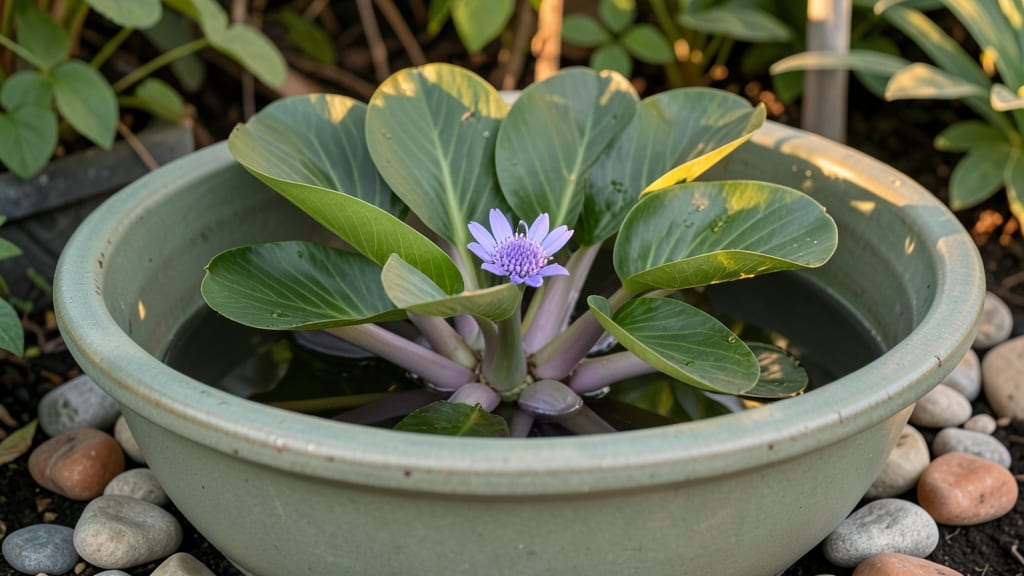
A water garden tub is a compact, self-contained aquatic system perfect for growing water plants, koi, or goldfish. Selecting the right size, material (like polyethylene or fiberglass), and plant pairings ensures a thriving ecosystem with minimal maintenance.
A water garden tub isn't just a decorative addition—it's a miniature ecosystem that thrives when you match the right components. 🌿 Polyethylene tubs are lightweight and budget-friendly, while fiberglass offers superior insulation and durability, especially in colder climates.
The key to long-term success lies in balancing oxygenating plants like water lilies with floating varieties such as water hyacinth, which help regulate algae growth and provide shade for fish.
I’ve found that adding a small pump for circulation can make all the difference in preventing stagnation, especially in smaller setups.
💡 In This Article
- Key Materials and Durability Factors for Water Garden Tubs
- Top Aquatic Plants for Balanced Water Garden Tubs
Key materials and durability factors for water garden tubs
The material you choose for your aquatic system directly impacts its lifespan, maintenance demands, and ecosystem health. Polyethylene tubs, the most common choice, weigh about 3-8 pounds per gallon when filled, making them ideal for easy repositioning.
Their lightweight nature comes from 0.060-inch to 0.125-inch thick walls, but this thinness requires reinforcement with liners for larger setups. The downside? Polyethylene degrades faster under prolonged UV exposure, typically losing 20-30% of its structural integrity after 5-7 years outdoors.
Fiberglass stands out for its superior insulation properties, maintaining water temperatures 5-10°F warmer than polyethylene in cold climates. Preformed fiberglass tubs have 0.25-inch thick walls with built-in UV inhibitors, extending their lifespan to 15-20 years with minimal maintenance.
However, their weight—about 10-15 pounds per gallon—makes relocation difficult. Concrete offers the longest lifespan (25+ years) but requires waterproofing membranes to prevent cracking, which can compromise water retention and plant health.
Liner quality becomes critical when using polyethylene or concrete. A 10-mil to 15-mil thick EPDM rubber liner resists punctures and UV rays better than PVC, which can degrade in 3-5 years.
I’ve seen liners fail when stretched over sharp edges or exposed to direct sunlight, leading to leaks that disrupt the entire ecosystem.
For example, a 50-gallon tub with a compromised liner may lose 1-2 gallons per day through microscopic tears, forcing you to constantly refill and risking oxygen depletion for fish.
Consider these trade-offs when selecting materials:
- Polyethylene: Best for temporary setups or areas with limited weight capacity. Expect 3-7 years of usable life with proper UV protection.
- Fiberglass: Ideal for permanent installations in climates with temperature swings. Requires annual sealing to maintain waterproofing.
- Concrete: Offers unmatched durability but demands professional installation to avoid structural failures.
Thickness matters beyond just weight—it affects water temperature stability and root penetration. For example, a 0.125-inch thick polyethylene wall may allow roots from marginal plants like pickerelweed to breach the liner in 12-18 months, while fiberglass resists this due to its smoother interior surface.
Always verify manufacturer specs for maximum root penetration resistance before planting aggressive species.
The right material choice prevents common pitfalls like algae blooms from temperature fluctuations or fish stress from liner leaks. Investing in UV-stabilized polyethylene or fiberglass with integrated insulation can cut your seasonal maintenance by 40% while extending the life of your aquatic plants and fish. 💫