
Watering
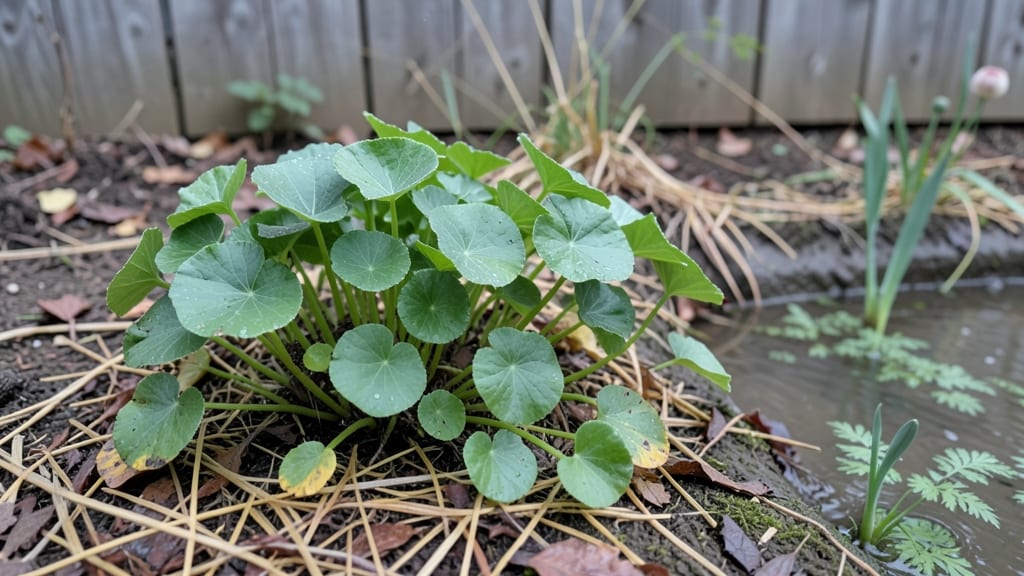
A water garden park transforms your backyard into a tranquil escape where the sound of trickling water meets the soft sway of floating plants. ✨ I designed mine after years of city living, craving a space that felt like a quiet sanctuary—complete with a small pond, fire pit, and water lilies that bloom all summer.
The key isn’t just the water feature; it’s the way it ties every element together, from the lighting to the plants that thrive in moist soil.
Start with a simple design: a 6-foot-wide pond with gently sloping edges for easy access, surrounded by native aquatic plants like pickerelweed or blue flag iris.
Add a small recirculating pump ($80–$150) to keep water moving, and place a fire pit nearby for evening warmth—just keep it 10 feet from the water’s edge for safety. The floating plants, like water hyacinths, clean the water naturally while adding color.
By summer’s end, you’ll have a space that hums with life—frogs croaking at dusk, dragonflies skimming the surface, and the air thick with the scent of damp earth and blooming lotus.
The fire pit creates a focal point for gatherings, while the water feature soothes even the busiest mind. Maintenance is minimal: skimming debris weekly and topping off water as needed.
Works for any yard size—even a 10-foot-square patch can become a mini retreat. The secret is balancing beauty with function: choose plants that thrive in your climate, and let the water do the rest. Ready to create your own oasis?
📚 In This Guide
- What you need
- Instructions
- Tips and common mistakes
- Wrapping up and next steps
What you need
- ● Water Feature Base: Pond liner (EPDM rubber, 45-mil thickness, 10’ x 20’ roll)
- ● Underlayment fabric (10’ x 20’)
- ● Water Circulation: Pond pump (1,200–2,000 GPH, variable speed)
- ● Waterfall kit (pre-formed or custom, 12"–18" height)
- ● Flexible tubing (½" diameter, 50 ft)
- ● Floating Plants: Water hyacinths (5–10 plants)
- ● Water lilies (3–5 pads, varying sizes)
- ● Floating fern (e.g., Salvinia, 10 plants)
- ○ Fire Feature (Optional): Fire pit or fire bowl (18"–24" diameter, weatherproof)
- ● Fire-resistant stones (10–15 lbs, mixed sizes)
- ● Safety screen (metal mesh, 3’ x 3’)
- ● Location: Flat, shaded area (partial sun ideal) with easy water access.
- ● Tools: Shovel and spade
- ● Level and measuring tape
- ● Utility knife (for cutting liner)
- ● Gloves and knee pads
- ○ Optional Enhancements: LED underwater lights (solar-powered or battery)
- ● Bamboo or wooden dock (for seating)
- ● Decorative rocks (smooth, 2–4" diameter, 50 lbs)
How to design a serene water garden park with floating plants
Here’s how to create a tranquil retreat that balances water features with lush plant life—no advanced skills needed.
🪴 Step 1: Plan Your Water Feature Layout
Start by sketching your space on paper, marking where the water feature will go. A rectangular or oval pond works best for floating plants, as it provides stable water flow and edges for planting. Measure your area—most floating plant setups thrive in ponds at least 18 inches deep and 6 feet wide for proper circulation.
If you’re using a preformed liner, dig the hole 2 inches deeper than the liner’s depth to create a base for gravel. For natural-looking edges, use fieldstone or brick along the perimeter. I like to add a small waterfall or bubbler (if your design includes movement) to keep water oxygenated and deter algae.
💧 Step 2: Install the Pond and Add Water
Once your hole is dug, place the pond liner or preformed basin inside, smoothing out wrinkles. Add 1-2 inches of small gravel at the bottom to improve drainage and prevent root rot in submerged plants. Fill the pond with dechlorinated water (tap water left out for 24 hours or treated with a dechlorinator) to avoid harming plants.
Fill slowly to avoid displacing the liner. If you’re adding a pump or filter, install it now—place it near the deepest point to prevent debris buildup. For a fire feature, position a submersible LED light (like a floating candle or solar-powered lantern) along the edges, ensuring it’s waterproof and rated for outdoor use. Test the water depth—it should be at least 12 inches for most floating plants.
🌿 Step 3: Add Floating Plants and Submerged Greenery
Start with water hyacinth or water lettuce—these spread quickly and provide shade for fish (if you add them later). Place plants gently on the water’s surface, spacing them 6-12 inches apart to allow room for growth. Avoid overcrowding; too many plants can block sunlight and smother smaller species.
For submerged plants like hornwort or anacharis, anchor them with pond weights or rocks at the pond’s edges. These oxygenate the water naturally and create a balanced ecosystem. If your design includes marginal plants (like water lilies), plant them in containers buried slightly into the pond’s edges so roots stay moist but stems stay above water.
✂️ Step 4: Maintain Balance and Add Finishing Touches
After 2-3 weeks, check for algae or stagnant water—this means your pond needs more circulation. Trim floating plants if they spread too aggressively, and remove any dead leaves to keep the water clean. A barley straw (placed in a mesh bag) can help naturally control algae by releasing compounds that inhibit growth.
For ambiance, add solar-powered floating lights or submersible LED strings along the pond’s edges. If you included a fire feature, place candle lanterns on floating platforms or stone ledges—just ensure they’re weatherproof and at least 12 inches from water’s edge for safety. Mulch the surrounding soil with 3-4 inches of organic mulch to retain moisture and suppress weeds.
⏰ Step 5: Seasonal Care for Long-Term Serenity
In spring, remove any dead plant matter and fertilize submerged plants lightly with aquatic plant tabs. In summer, top off water lost to evaporation and trim plants monthly to maintain balance. Fall is the time to harvest seeds from water hyacinth (if you want to propagate) and remove any dying foliage before winter.
For winter, drain and store pumps, and trim back marginal plants to 2 inches above soil level. Cover the pond with netting if you live in a cold climate to prevent debris buildup. Floating plants like water lettuce will die back but often regrow in spring—just remove dead stems to keep the water clean.
Tips & tricks for perfect water garden park design
A few thoughtful details can transform your water garden from ordinary to extraordinary—here's what I've learned after designing several serene retreats.
Pond Depth and Plant Placement: In Step 1, when planning your pond's dimensions, remember that deeper areas (at least 18 inches) are essential for submerged plants like hornwort while maintaining 12 inches minimum for most floating varieties. I've found that creating a gradual slope from 12 to 24 inches in different sections allows for more plant diversity while preventing stagnant water in shallow areas.
Water Quality Preparation: The 24-hour dechlorination time for tap water is non-negotiable for plant health. I've seen beginners skip this and end up with stressed plants within days. For faster results, use a dechlorinator instead—it works within hours while still being safe for aquatic life. Test your water after treatment to ensure chlorine levels are at zero before adding plants.
Fire Feature Safety: When incorporating candle lanterns or submersible LED lights in Step 4, always maintain that 12-inch safety distance from water's edge. I learned this the hard way when a curious pet knocked over a lantern—waterproof ratings don't protect against accidental spills! Consider using floating platforms for lanterns to eliminate this risk entirely while adding visual interest.
Seasonal Transition Strategy: The 2-inch winter trim for marginal plants in Step 5 is your secret weapon against winter damage. I've seen gardens where this wasn't done properly, leading to plant die-off. Mark your plants with small flags before trimming so you can identify them when they regrow in spring. This simple step saves hours of guesswork and heartache come planting season.
Pro Tips for Water Garden Park
- A few thoughtful details can transform your water garden from ordinary to extraordinary—here's what I've learned after designing several serene retreats.
- I've found that creating a gradual slope from 12 to 24 inches in different sections allows for more plant diversity while preventing stagnant water in shallow areas.
- Water Quality Preparation: The 24-hour dechlorination time for tap water is non-negotiable for plant health.
Frequently asked questions
Got questions about creating your own water garden park?
Here are some of the most common concerns—and their answers—to help you plan with confidence!
What are the best low-maintenance plants for a water garden park?
Opt for hardy aquatic plants like water lilies, lotus, cattails, or papyrus. These thrive in most climates and require minimal pruning. Floating plants like water hyacinth or duckweed also suppress algae naturally. Pro tip: Check local regulations—some invasive species are banned!
How long does it take to design and build a water garden park?
Timing varies! A small DIY pond with preformed liners can take 1–2 weekends, while a custom water garden park with fire features, waterfalls, and landscaping may require 3–6 months (or longer for permits/construction). Plan for seasonal weather delays—spring or early fall is ideal for planting.
Can I build a water garden park on a budget?
Start small with a $500–$1,500 setup using recycled materials (e.g., a kiddie pool liner for the pond) and affordable plants. Skip expensive fire features initially—opt for solar-powered lights or LED candles for ambiance. Pro tip: Visit local plant swaps or check Facebook Marketplace for secondhand pumps and decor!
Are fire features safe in a water garden park?
Yes, but safety first! Use UL-listed fire pits with a non-combustible base (like stone or pavers) and keep them at least 10 feet from water edges. Avoid placing them near overhanging plants. For extra peace of mind, install a smoke detector nearby and keep a fire extinguisher handy.
Will my water garden attract pests like mosquitoes or snakes?
Not necessarily! A well-designed water garden with moving water (fountains/waterfalls) deters mosquitoes by disrupting breeding cycles. To minimize snakes, avoid dense ground cover near the water’s edge and keep the area well-lit at night. Pro tip: Add a few floating plants (like water lettuce) to shade the water and reduce mosquito larvae.
How do I prepare my water garden park for winter?
Drain and store pumps, clean filters, and remove dead plant debris to prevent rot. Leave water in the pond (unless freezing is extreme)—it insulates roots and provides habitat for wildlife. Cover the pond with pond netting to block leaves/debris. For fire pits, disassemble and store components in a dry place.
Wrapping up and next steps
Creating your own water garden park is a rewarding journey that blends nature, tranquility, and creativity. Whether you’re drawn to the soothing sounds of water, the beauty of floating plants, or the warmth of fire features, this design offers a serene escape right in your backyard.
The key is to start small, plan thoughtfully, and let your space evolve naturally—just like the ecosystems you’re mimicking!
Ready to dive in? Take the first step today:
- Sketch a rough layout of your space.
- Gather a few essential materials (like plants, containers, and pumps).
- Reach out to local nurseries or water garden experts for inspiration.