
Tools
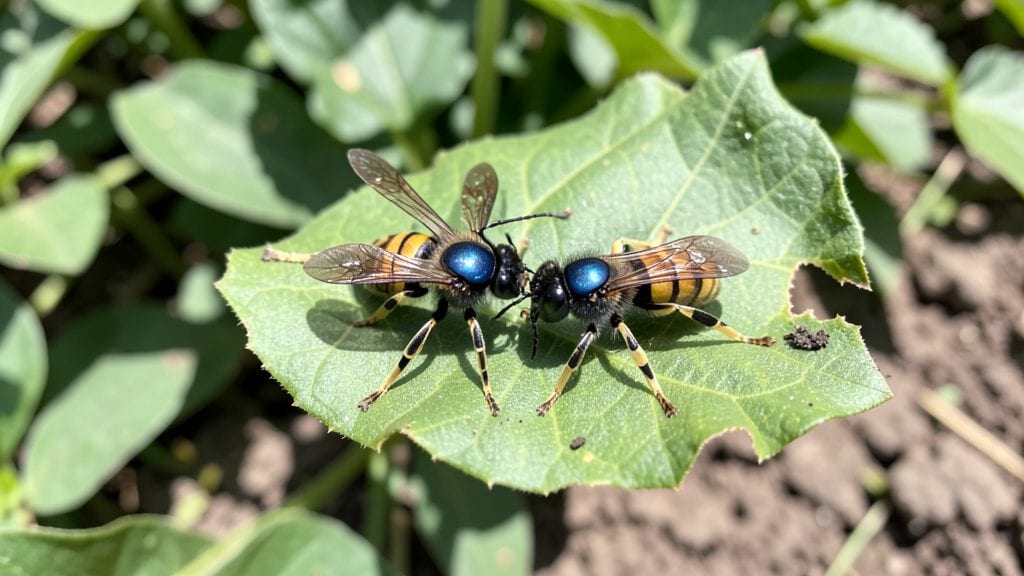
Dealing with wasps in your garden doesn’t mean sacrificing your peace—or your plants. I’ve spent years testing humane methods to keep these busy insects out while protecting my tomatoes, berries, and picnic tables. The key isn’t elimination but redirection, using simple tricks that work better than sprays.
Wasps show up when they’re hunting for food or nesting spots, so the solution starts with removing their motivation. A mix of natural deterrents—like planting wasp-repelling herbs, setting up trap alternatives that lure them away, and sealing entry points—keeps them from turning your garden into their buffet.
No chemicals, no cruelty, just smart gardening.
You’ll end up with a garden where wasps are rare visitors, not daily pests. The herbs stay intact, your fruit ripens undisturbed, and you can enjoy your outdoor space without swatting. Best of all, these methods work whether you’re in a sunny Southern garden or a cooler Northern yard.
Here’s how to make it happen without harming the ecosystem—or your sanity. Let’s get started with what actually works.
Root Causes Of Garden Wasps
Wasps may seem like unwelcome guests in your garden, but their presence is rarely random. Understanding why they’re there helps you address the problem effectively—without resorting to harmful traps. Here’s a breakdown of the most common reasons these striped intruders take up residence in your outdoor space.
Wasps are opportunistic scavengers, and a garden teeming with food attracts them like a buffet. Their diet includes:
- Sugary substances: Overripe fruit, spilled soda, or even hummingbird feeders can lure them in. Wasps have a sweet tooth and will patrol these spots relentlessly.
- Protein-rich prey: Gardens with aphids, caterpillars, or other soft-bodied insects become hunting grounds. Wasps feed protein to their larvae, so they’ll linger if their "menu" is readily available.
- Human food waste: Picnic crumbs, pet food left outdoors, or unsealed trash cans create easy access to calories. A single dropped burger bun can trigger a wasp frenzy.
Actionable fix: Remove food sources by cleaning up spills, sealing trash bins, and picking fruit before it rots. Consider wasp-resistant plants like marigolds or basil, which repel them naturally.
Wasps build nests in secluded, protected spots where they can raise their colonies undisturbed. Common garden hotspots include:
- Hollow structures: Sheds, eaves, or gaps in fences provide ideal nesting cavities. Paper wasps often choose sheltered corners under roofs or porches.
- Thick vegetation: Bushes, ivy, or tall grasses offer camouflage and protection from predators (and humans). Ground-nesting species like yellow jackets may burrow near patios or play areas.
- Wall voids or attics: If you’ve spotted wasps indoors, they likely nested in wall crevices, vents, or even inside outdoor lighting fixtures.
Actionable fix: Inspect your property for gaps, seal entry points with caulk, and trim dense shrubs away from walkways. Avoid using mulch near foundations, as it can attract ground-nesting wasps.
Wasps need water to survive, and gardens with standing water become high-traffic zones. Sources include:
- Birdbaths or puddles: Shallow water sources are prime gathering spots, especially in dry weather.
- Dripping faucets or AC units: A slow leak can attract dozens of wasps over time.
- Pet water bowls: These can double as wasp watering holes if left outdoors.
Actionable fix: Remove standing water daily, and place birdbaths in shaded areas where wasps are less likely to spot them. Add a few pebbles to water features to disrupt their ability to land.
Wasps are most active during warm, sunny months (late spring to early fall), when they forage aggressively to feed their colonies. Key triggers:
- Temperature spikes: Heat waves increase metabolic activity, making wasps more territorial and aggressive.
- New colony cycles: In late summer, wasps produce "foundress" queens that seek out nesting sites for next year’s colonies.
- Harvest season: BBQs, fruit stands, and outdoor dining create peak attraction periods.
Actionable fix: Monitor wasp activity during these times and take preemptive steps, like setting up humane traps (away from food sources) or applying natural deterrents like citronella or peppermint oil.
Some landscaping choices inadvertently create wasp magnets. For example:
- Monoculture planting: Gardens with single-species plants (like a large apple tree) provide easy access to fruit, attracting wasps in droves.
- Compost piles or leaf litter: Decaying organic matter can harbor prey insects, drawing predatory wasps.
- Open grilling areas: Smoke and food residue make grilling spots wasp hotspots.
Actionable fix: Diversify plantings to disrupt food chains, keep compost bins sealed, and avoid grilling near high-traffic areas. Use mesh screens over grills to block access.
Quick Fixes for Stinging Pests
Got unwanted visitors buzzing around your garden? 🐝🚫 Don’t panic—there are humane, effective ways to manage wasps without harming them (or your plants). Below, we break down practical solutions based on the most common causes, from nest locations to food attractants.
Each fix includes a prevention tip to keep wasps from returning.
Wasps are drawn to sweet, protein-rich, or decaying foods. If they’re lingering near your picnic table, trash can, or overripe fruit, cut off their supply with these steps:
- 🍯 Sweep Up Spills – Even small amounts of soda, juice, or honey can attract wasps. Wipe down tables and clean up pet food bowls after meals. - 🗑️ Secure Trash Bins – Use lids with locks or weight them down with bricks.
Rinse cans and bottles before tossing them. - 🍎 Harvest Fruit Promptly – Overripe or fallen fruit (especially grapes, berries, and citrus) is a wasp magnet.
Pick fruit regularly and compost it in sealed bins. - 💡 Pro Tip: Place a shallow dish of vinegar near entry points—wasps dislike the smell and will avoid it.
If wasps are building nests in wall voids, eaves, or underground, you’ll need to seal gaps before they become a problem.
- 🔧 Inspect & Seal Cracks – Check for holes in siding, roof vents, or foundation gaps.
Use caulk or steel wool to block entry points. - 🪟 Install Fine Mesh – Cover vents, chimneys, and gaps with 1/8-inch hardware cloth to keep wasps out without trapping them. - 🌿 Trim Overhanging Branches – Wasps love nesting in trees and shrubs.
Trim back branches 6+ feet from your house to discourage them. - ⏰ Best Time to Act: Early spring—before wasps establish nests—is the easiest time to prevent infestations.
If wasps are already nesting, humane relocation is key. Avoid pesticides—many kill beneficial insects and can harm pets or kids.
- 🕸️ The Bucket Trap (No Kill) – Fill a 5-gallon bucket with soapy water and a small amount of sugar or fruit juice. Wasps enter but can’t escape.
Release them far from your home (at least 200+ feet away) at dusk when they’re less active. - 🪰 The Paper Bag Method – For ground nests, place a large paper bag over the entrance and secure it with tape.
Wait 24 hours, then release the wasps away from your property. - 🚫 Avoid Sticky Traps – Traditional glue traps kill wasps slowly and attract more. Opt for live traps instead. - 💡 Pro Tip: Work at dawn or dusk when wasps are less aggressive.
Wear long sleeves and gloves for safety.
Wasps dislike certain scents and plants. Use these non-toxic repellents to keep them away:
- 🌿 Plant Wasps’ Natural Predators – Marigolds, mint, and catnip repel wasps while attracting bees (which pollinate your garden). - 🍋 Citrus & Peppermint Spray – Mix water, lemon peels, and peppermint oil, then spray around entry points.
Reapply every few days. - 🌡️ Clove Oil Spray – Combine 10 drops of clove oil with 1 cup of water in a spray bottle. Wasps avoid the strong scent. - 🎯 Strategic Placement: Spray near patio areas, trash bins, and garden beds where wasps frequent.
Once you’ve dealt with the current issue, keep wasps from coming back with this simple routine:
✅ Monthly: Inspect for new nests (especially in eaves, sheds, and underground). ✅ Weekly: Clean up spills, pet food, and fallen fruit. ✅ Seasonally: Trim overgrown vegetation near your home. ✅ Annually: Check vents and chimneys for gaps before spring.
Final Thought: Wasps play a role in your ecosystem—remove attractants, block entry points, and relocate gently to keep your garden thriving without harm. 🌱🐝 With these steps, you’ll enjoy your outdoor space sting-free!
Frequently asked questions
Are wasps actually harmful to my garden?
Most wasps are beneficial—they eat garden pests like aphids, caterpillars, and spiders. Only aggressive species (like yellow jackets) become problematic when they nest near food or shelter. Focus on removing attractants (like overripe fruit) rather than eliminating all wasps.
What’s the best time of day to handle wasp nests?
Early morning or late evening when wasps are least active. Avoid midday heat—they’re most aggressive then. Work slowly, wear protective clothing, and use humane relocation methods instead of pesticides.
Will vinegar really keep wasps away?
Yes! Wasps dislike vinegar’s strong odor. Place a shallow dish of vinegar near entry points or spray diluted vinegar around patios. For extra protection, add a few drops of peppermint oil to the mix—they’ll avoid both scents.
Can I reuse a wasp trap more than once?
Only if you clean and refresh the bait. Empty old bait, rinse the trap, and refill with fresh fruit juice or sugar water. Never reuse sticky traps—they lose effectiveness and can attract more wasps.
How do I know if a nest is active or abandoned?
Active nests have visible wasps entering/exiting. Tap the nest gently—if wasps respond aggressively, it’s active. Abandoned nests are empty or have a few dead wasps. Wait until fall (after wasps die off) to remove old nests safely.