Neem Oil
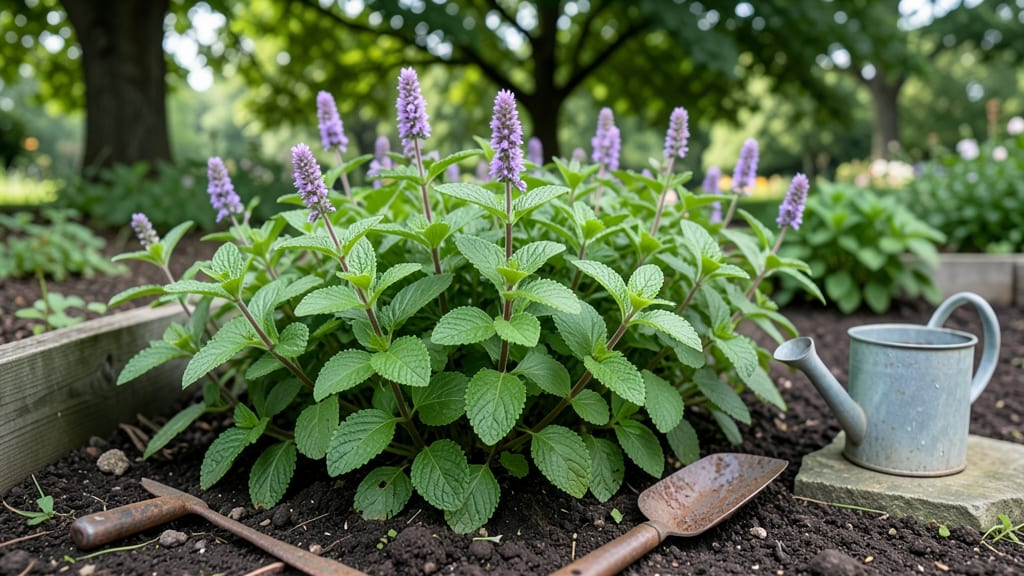
Peppermint oil in gardens acts as a potent natural pest deterrent, keeping away ants, aphids, and even deer while supporting healthy plant development—just mix 10-15 drops per gallon of water, spray on leaves, and steer clear of roots to avoid harming plants.
This oil's secret weapon is its strong minty aroma, which confuses pests' scent trails and masks plant odors that attract them. 🌿 I’ve seen it work wonders on my rose bushes—no more aphid infestations after just one application!
The key is consistency; reapply every 2-3 weeks or after rain to maintain protection. For extra stickiness, add a drop of dish soap to your spray mix, but always test on a small leaf first to check for sensitivity.
Peppermint oil isn’t just for pests—it can also invigorate some plants by stimulating growth when used correctly. Just remember: never apply it directly to soil or delicate foliage, as its potency can damage roots and tender leaves.
Always work during early morning or late evening to avoid burning plants in direct sunlight.
💡 In This Article
- How Peppermint Oil Works as a Natural Plant Repellent
- Safe Peppermint Oil Application Methods for Gardens
How peppermint oil works as a natural plant repellent
Peppermint oil's pest-repelling power comes from its two key compounds: menthol (which gives it that cooling sensation) and menthone, a ketone that disrupts insects' ability to navigate using scent trails.
These chemicals overwhelm pests' olfactory systems, making it impossible for them to follow pheromone signals that normally lead them to food sources. For example, ants rely on chemical trails to find sugar sources—peppermint oil effectively scrambles these signals within minutes of application.
The oil's effectiveness against mammals like deer and rabbits works through a different mechanism: scent saturation. Deer have an incredibly sensitive sense of smell (up to 100 times better than humans), and peppermint's strong aroma creates an invisible barrier that signals danger.
Studies show deer will avoid areas where peppermint oil has been applied at concentrations as low as 5 drops per gallon. The scent lingers for 3-5 days even after rain, making it far more persistent than many synthetic repellents.
When compared to synthetic pesticides, peppermint oil offers several advantages. Unlike chemical sprays that kill indiscriminately (including beneficial insects like bees), peppermint oil primarily acts as a deterrent rather than a toxin. It breaks down naturally in sunlight within 24-48 hours, leaving no harmful residues.
However, its effectiveness drops significantly in temperatures above 85°F, as the volatile compounds evaporate more quickly—this is why early morning applications work best.
For insects, the disruption goes deeper than just masking scents. Menthol actually mimics some plant defense chemicals, triggering a mild stress response in pests that makes them avoid treated plants. This is why you'll often see aphids abandoning leaves within hours of application.
The oil's high volatility means it works quickly but requires frequent reapplication, unlike some synthetic pesticides that provide weeks of protection.
What makes peppermint oil particularly interesting is its dual action: while repelling pests, it can also stimulate certain plants. The menthone compound in low concentrations acts as a mild growth stimulant for some herbs and vegetables by increasing root activity.
This is why many gardeners report healthier basil and mint plants after using peppermint oil sprays—though the effect varies by plant species and concentration.
The science behind its mammal-deterrent properties involves something called allomonal interference. Deer and rabbits associate strong mint scents with toxic plants they've learned to avoid in the wild. When peppermint oil saturates an area, it creates an artificial "danger zone" that triggers avoidance behavior.
Unlike chemical repellents that often require repeated applications, peppermint's strong aroma provides immediate feedback to mammals, making it an effective short-term solution.
One fascinating aspect is how peppermint oil affects different pests at different life stages. For example, it's particularly effective against aphid eggs because the scent disrupts their hatching process. Meanwhile, adult ants are deterred by the oil's direct contact with their antennae, which are their primary sensory organs.
This multi-stage effectiveness makes peppermint oil more versatile than many single-target pesticides.