
Tools
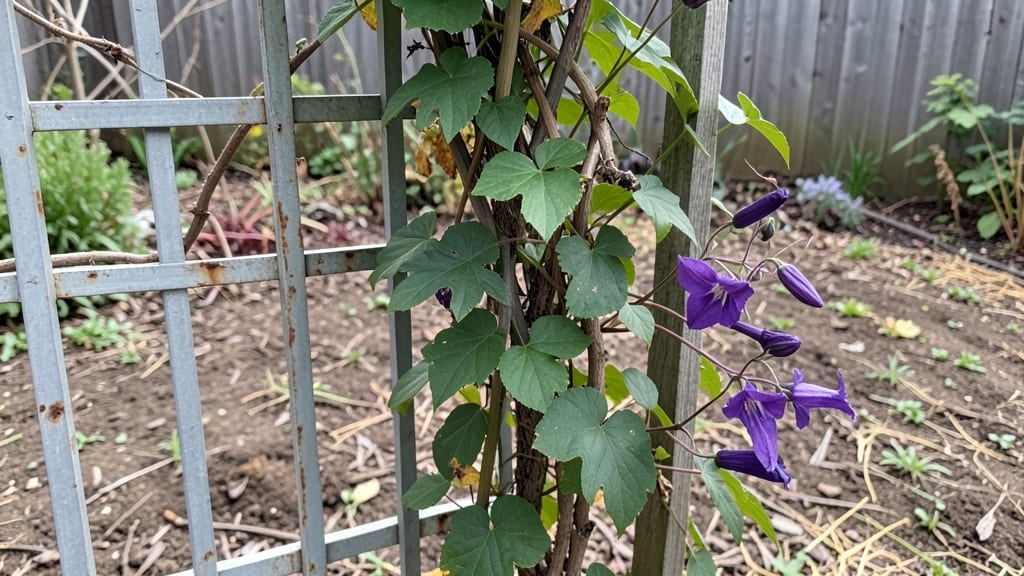
Creating an outdoor wall garden 🌿 turns unused vertical space into a thriving green haven—no yard required.
Running out of garden space? Transform your outdoor walls into a lush vertical oasis with a wall garden that maximizes growth without sacrificing square footage—ideal for herbs, veggies, and flowers!
Whether you have a sunny balcony, a shady fence, or a blank patio wall, a well-planned vertical garden can double your growing potential while adding beauty and functionality. The best part? You don’t need a green thumb—just the right setup and a few smart plant choices.
In this guide, I’ll walk you through layout ideas, plant selection, and DIY tips to build a wall garden that’s both practical and stunning. Let’s get started!
Best outdoor wall garden layouts for small spaces
If you're dreaming of a lush garden but lack square footage, vertical gardening is your solution. Outdoor wall gardens transform blank walls into thriving ecosystems, perfect for herbs, veggies, and flowers while maximizing limited space.
Whether you have a balcony, patio, or fence, these layouts prove that small spaces can yield big harvests.
Key to success is matching your wall garden layout to your space's sunlight exposure and plant compatibility. A south-facing wall? Opt for sun-loving tomatoes and basil. Shadier spots? Try ferns, ivy, or lettuce.
The right design also ensures proper drainage and airflow, preventing root rot and pests. Let’s explore the top layouts that work for small-space gardeners.
| Layout Type | Best For | Sunlight Needs | Drainage Solution | Space Efficiency |
|---|---|---|---|---|
| Tiered Shelves | Herbs, succulents, small veggies | Full sun to partial shade | Drill drainage holes; use saucers | High (stackable, modular) |
| Hanging Pockets | Trailing plants (strawberries, lettuce) | Partial shade to full sun | Fabric pockets with drainage | Medium (hang from railings) |
| Modular Panels | Vegetables, flowers, shrubs | Full sun (south-facing) | Built-in drainage channels | Very high (customizable) |
| Pallet Gardens | Budget-friendly veggies/herbs | Partial shade to full sun | Elevate pallet for drainage | High (repurposed wood) |
| Vertical Trellis | Climbing plants (beans, cucumbers) | Full sun required | Pot at base with drainage | Medium (wall-mounted) |
For balconies and patios, tiered shelves are my go-to. They’re easy to assemble, customizable, and perfect for small-space gardeners who want to grow herbs like basil and thyme or succulents. Start with a sturdy shelf bracket, drill drainage holes, and fill with well-draining soil.
Place the top shelf in full sun for heat-loving plants and lower shelves in partial shade for lettuce or ferns.
If you’re working with a fence or railing, hanging pockets or modular panels are game-changers. Hanging pockets are lightweight, affordable, and ideal for trailing plants like strawberries or cherry tomatoes. Modular panels, on the other hand, offer a sleek, modern look and can be expanded as your garden grows.
They’re especially great for vegetables like peppers or bush beans that need deeper soil.
Don’t overlook DIY pallet gardens for a budget-friendly option. Repurpose wooden pallets by removing the top slats to create pockets for plants. This layout is perfect for herbs, salad greens, and shallow-rooted flowers.
Just ensure the pallet is treated for outdoor use and elevated slightly to prevent water pooling. It’s a fantastic way to upcycle materials while adding greenery to your space.
For climbing plants like cucumbers or beans, a vertical trellis attached to your wall or fence is a must. This layout not only saves space but also encourages plants to grow upward, reducing the risk of pests and diseases that thrive in dense foliage.
Use a sturdy trellis made of metal or wood, and train vines to climb with soft ties. Place the base pot in full sun for optimal growth.
Regardless of your layout, drainage is non-negotiable. Poor drainage leads to root rot and stunted growth. Always use pots with drainage holes or elevate your garden structure. If you’re using fabric pockets, choose ones with built-in drainage or add a layer of landscape fabric at the bottom.
For long-term success, mulch the soil surface to retain moisture and suppress weeds.
Pro tip: Group plants with similar sunlight and water needs together. For example, place sun-loving basil and tomatoes on the same shelf or panel. This makes watering and maintenance a breeze. If your wall faces north, opt for shade-tolerant plants like Swiss chard, parsley, or impatiens. With the right layout, your
How to choose plants for your outdoor wall garden
Creating a thriving outdoor wall garden starts with selecting the right plant types that thrive vertically. Not all plants adapt well to wall-mounted setups—some need trailing space, while others prefer compact growth.
The key is matching your wall’s sunlight exposure and microclimate with plants that excel in these conditions. For example, herbs like thyme and vegetables like strawberries thrive in pockets of sunlight, while ferns and ivy add lush greenery to shadier spots.
Consider your maintenance level too. Some plants, like succulents or rosemary, demand minimal watering, while others, such as lettuce or basil, need consistent moisture. A mix of low-maintenance perennials and high-reward annuals keeps your wall garden both beautiful and manageable.
Below, I’ve curated a list of top performers categorized by their growth habits and care needs to help you make the best choices for your space.
Top Plants for Outdoor Wall Gardens
- Trailing Plants: Strawberries (edible, needs full sun), Sweet Potato Vine (fast-growing, drought-tolerant), Nasturtiums (edible flowers, pest-repellent)
- Bushy Plants: Thyme (drought-resistant, aromatic), Rosemary (full sun, low water), Ferns (shade-tolerant, lush foliage)
- Edible Plants: Lettuce (partial shade, quick harvest), Green Onions (full sun, regrows after cutting), Peppers (compact varieties, warm climate)
- Low-Maintenance: Succulents (sun-loving, minimal water), Sedum (drought-proof, colorful), Moss (shade, adds texture)
- Seasonal Highlights: Pansies (cool weather, vibrant blooms), Marigolds (sun, pest control), Basil (warm season, culinary use)
When selecting plants, prioritize those with shallow root systems to avoid overcrowding in small pockets. For instance, thyme and rosemary spread horizontally rather than deeply, making them perfect for wall gardens. If your wall faces partial shade, opt for hostas or impatiens, which thrive in lower light.
Always check the mature size of each plant to ensure it fits your wall’s dimensions without overwhelming the space.
Pro tip: Group plants with similar watering needs together to simplify care. For example, place succulents and lavender in one section and basil and lettuce in another. This zone-based approach prevents overwatering drought-tolerant plants or underwatering thirsty ones.
Start with a mix of 3-5 varieties to test what thrives in your specific conditions before expanding.
Don’t forget to factor in seasonal changes. Some plants, like pansies or violas, shine in cooler months, while others, such as tomatoes or peppers, need warmer temperatures.
Plan your wall garden layout to include year-round interest, blending evergreens like English ivy with seasonal bloomers like petunias. With the right selection, your wall garden will be a vibrant, functional feature that evolves with the seasons.
Finally, consider aesthetic harmony. Mix textures and colors by pairing spiky succulents with soft ferns or purple basil with white flowers. This not only enhances visual appeal but also creates a balanced ecosystem where plants support each other.
With these tips, your outdoor wall garden will be both practical and stunning.