
Vegetables
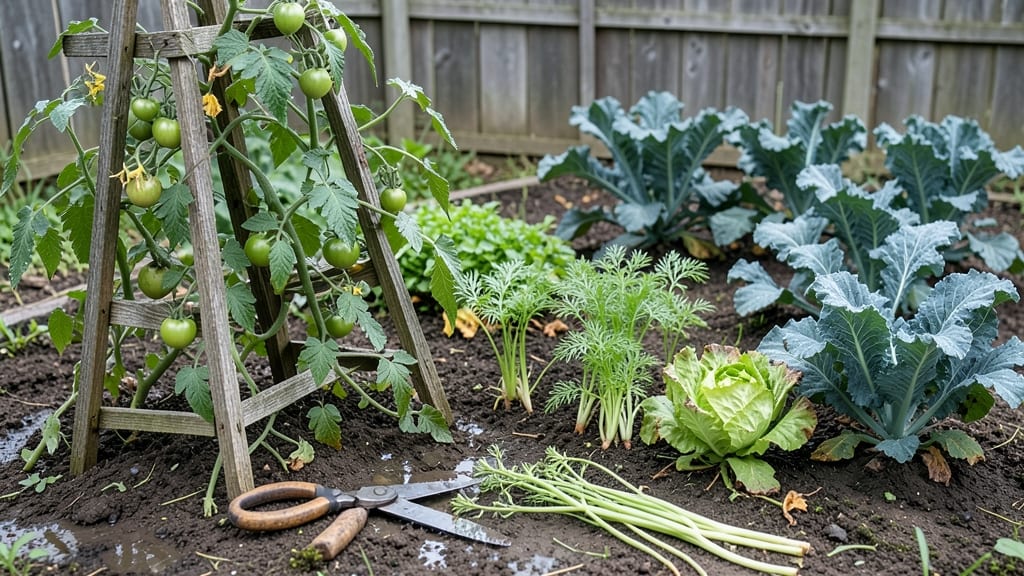
These wartime vegetable plots weren't just practical—they became symbols of national pride. 🌱 The U.S. government actively promoted them through seed distribution programs and even rationed gardening tools to maximize efficiency. Families grew high-yield crops like potatoes and tomatoes, often in small urban spaces using innovative techniques like square-foot gardening.
What's fascinating is how these gardens bridged rural and urban communities, turning backyards into battlegrounds against hunger.
Beyond food production, victory gardens played a psychological role. They gave civilians a tangible way to contribute to the war effort, boosting morale during rationing and air raids. The collective effort created tight-knit communities where neighbors shared seeds, tools, and harvests—a model that still influences modern community gardens today.
💡 In This Article
- How WW2 Victory Gardens Worked: Cultivation and Logistics
- Impact of Victory Gardens on Wartime Food Security
How WW2 victory gardens worked: cultivation and logistics
The U.S. government launched the Victory Garden Program in 1942, distributing 20 million seed packets and 3 million gardening tool sets through local post offices. These weren't just random seeds—agricultural scientists prioritized high-yield, nutrient-dense crops that could thrive in small spaces.
Potatoes topped the list (producing 1.5 million tons nationwide), followed by tomatoes, carrots, and cabbage, all chosen for their calorie and vitamin content to combat malnutrition during rationing.
Space constraints in urban areas led to innovative techniques like square-foot gardening, where vegetables were planted in 1-foot squares to maximize yield in tiny plots.
The government even encouraged growing food on rooftops, balconies, and vacant lots—one New York City project converted a 2-acre parking lot into a community garden producing 50,000 pounds of produce annually.
Tools were rationed too: shovels and hoes were made from recycled scrap metal, and compost was created from kitchen scraps and sawdust.
The logistics extended beyond seeds and soil. Local extension agents (government agricultural advisors) taught war-time gardening workshops on topics like crop rotation to prevent disease and pest control without chemicals (since many pesticides were diverted to military use).
The program's success hinged on community coordination: neighbors shared seeds, swapped harvests, and even organized "garden clubs" to troubleshoot problems like blight or drought. This collective effort reduced food miles to zero—literally.
One surprising detail was the government's role in land allocation. Cities designated public "victory plots" in parks and along train tracks, while rural families expanded their farms. The program even issued "Victory Garden Awards" for top producers, creating friendly competition.
What's fascinating is how these gardens reduced pressure on commercial farms—freeing up 10 million acres of farmland for military use by 1943, equivalent to 10% of all U.S. cropland at the time.
The choice of crops wasn't arbitrary. Potatoes, for example, could be stored for months in root cellars, while tomatoes were canned to preserve summer harvests. Carrots and beets were prized for their high sugar content (critical for energy), and leafy greens provided vitamin C to prevent scurvy.
The government even distributed free gardening manuals with planting charts showing optimal spacing—12 inches apart for carrots, 18 inches for tomatoes—to maximize yields in limited space.
What most people don't realize is how these gardens adapted to wartime challenges. When rubber became scarce, gardeners used old bicycle tires as planters. When fuel shortages limited transportation, communities organized "harvest fairs" where families traded produce for goods.
The program's success wasn't just about food—it was about resilience, proving that ordinary citizens could make extraordinary contributions when organized. 🌱