
Vegetables
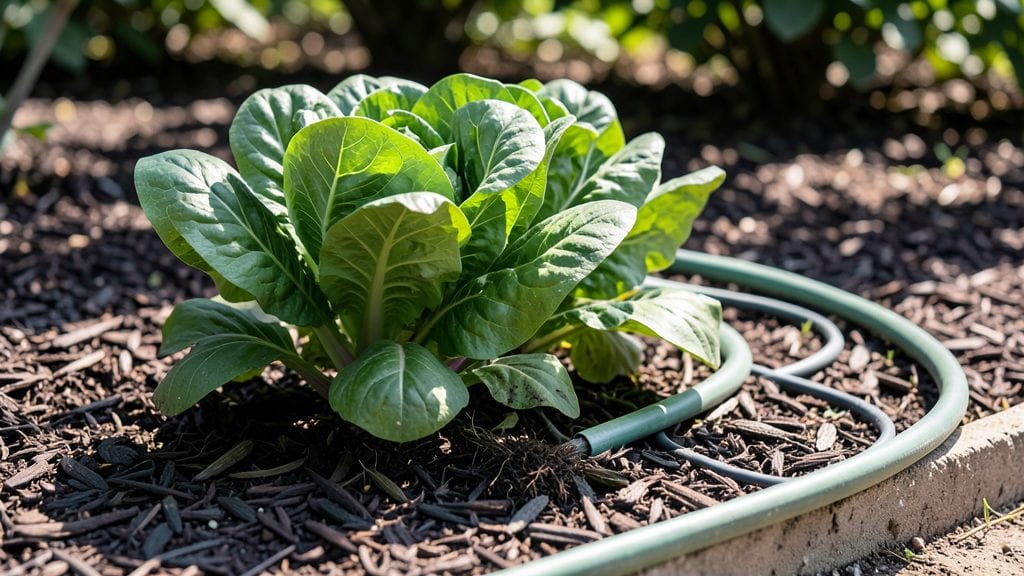
Vegetable gardening in Colorado’s thin air and unpredictable frost dates demands a different playbook than most gardening guides. I’ve learned the hard way that planting too early or picking the wrong varieties means wilted seedlings by Memorial Day—unless you know the exact timing for your microclimate.
The key isn’t just choosing cold-hardy seeds; it’s matching them to Colorado’s Zone 4–7 quirks, where a late spring on the Front Range can be a full month earlier than the mountains.
Cool-season crops like spinach and peas thrive when planted in late March to early April, while warm-season tomatoes and peppers need to wait until after Mother’s Day—when soil finally warms past 50°F. Succession planting every 2–3 weeks stretches harvests from June to October, even with our short season.
My biggest breakthrough? Using black plastic mulch to warm soil faster and row covers to shield tender plants from late frosts that can hit anytime before June.
What you’ll end up with is a garden that produces longer and more reliably than most Colorado gardeners expect—think crisp lettuce in May, zucchini by July, and fall kale that survives our first hard frost.
The trick is working with the climate, not against it: raised beds for drainage, windbreaks for exposed spots, and shade cloth for hail-prone areas. Even in Zone 4, you can grow more than you think.
For Colorado-specific resources, I always turn to CSU Extension’s altitude-adjusted planting charts and local nurseries like High Country Gardens for varieties bred to handle our dry air and temperature swings. Start small, keep records, and adjust next year—because every yard in Colorado has its own microclimate story.
📚 In This Guide
- What you need
- Instructions
- Tips and common mistakes
- Wrapping up and next steps
What you need
- ● Garden Space: Sunny spot (6+ hours of sun daily) – raised beds, in-ground plots, or containers (minimum 4’ x 8’ for beginners)
- ● Soil: Loamy, well-draining soil (amend with 2–3 inches of compost or aged manure per square foot)
- ● Seeds or Seedlings: Cold-hardy varieties (e.g., kale, peas, spinach, potatoes, carrots, cabbage) – 2–3 seed packets per crop
- ● Transplants (if starting late) – 6–12 plants per variety (check local nurseries for Colorado-adapted strains)
- ● Tools: Hand trowel ($5–$10)
- ● Garden fork ($15–$25 for soil aeration)
- ● Pruners ($10–$20)
- ● Watering can or hose with soaker hose attachment ($15–$30)
- ● Garden gloves ($5–$15)
- ● Climate-Specific Gear: Frost cloth ($10–$20) for early/late season protection
- ● Row covers ($15–$30) to extend growing season
- ● Cold frames ($50–$150) for overwintering greens
- ● Soil Amendments: Composted cow/horse manure (1–2 bags)
- ● Bone meal (1 lb) for phosphorus-rich roots
- ● Epsom salt (1 lb) for magnesium boost
- ● Pest Control: Neem oil spray ($10–$15)
- ● Row covers (reusable) to deter cabbage moths
- ● ✅ Check your USDA Hardiness Zone: Colorado ranges from Zone 3–7—adjust planting dates accordingly!
- ● 💡 Test your soil: pH 6.0–7.0 is ideal. Kits cost $10–$20 or send samples to local labs.
- ● 🌡️ Plan for altitude: Days are longer but cooler—start seeds 4–6 weeks earlier than lower elevations.
- ● 🎯 Water wisely: High-altitude sun evaporates moisture fast. Drip irrigation saves water and time!
Instructions for establishing a thriving Colorado vegetable garden
Colorado’s high-altitude climate demands a strategic approach—but with the right timing and varieties, you’ll harvest just as abundantly as your lowland neighbors.
Time Your Planting for Colorado’s Unique Growing Seasons
Colorado’s short growing season means precision timing is everything. Start cool-season crops like peas, spinach, and kale 4-6 weeks before your last frost date—typically mid-April at lower elevations and late May in mountain regions. Warm-season vegetables such as tomatoes, peppers, and beans need to wait until 2-3 weeks after the last frost, when soil temperatures consistently reach 60°F or higher. Use a soil thermometer to confirm—cool soil stunts root development.
Here’s the thing—Colorado’s frost dates vary dramatically by elevation. Check your local cooperative extension service for exact dates, but plan to have cold-hardy crops like broccoli and cabbage in the ground by early May. If you’re in Denver or Boulder, aim for May 10-20; in the mountains, push back to June 1. This ensures your plants mature before the first fall frost, which can hit as early as mid-September at higher elevations.
Prepare Soil for High-Altitude Productivity
Colorado’s thin, alkaline soils need amendment to support heavy feeders like potatoes and tomatoes. Work 2-3 inches of compost into the top 6 inches of soil at least 4-6 weeks before planting. Mix in 1 cup of 5-10-10 fertilizer per 100 square feet to boost phosphorus for root development. Avoid fresh manure—it burns tender seedlings and attracts pests. Instead, use well-aged compost or a balanced organic fertilizer like fish emulsion.
Test your soil’s pH before planting. Colorado’s native soils often run 7.5-8.5 (alkaline), which locks out nutrients like iron and manganese. If your test shows pH above 7.0, add sulfur or peat moss to lower it to the 6.0-7.0 range for most vegetables. The goal is a crumbly, dark loam that holds moisture but drains freely—think of it as fluffy cake batter, not dense mud.
Select Cold-Hardy Varieties for Colorado’s Climate
Not all vegetables thrive at elevation. Opt for short-season varieties with 50-60 day maturity ratings for warm crops, and longer-season cool crops like Brussels sprouts and cabbage, which tolerate frost. For example, plant ‘Early Girl’ tomatoes (65 days) instead of heirlooms that need 90+ days—you’ll miss the harvest window. Similarly, choose ‘Colorado Improved’ potatoes, bred to resist scab disease common in our dry soils.
Succession planting is your best friend in Colorado. Instead of one big planting of lettuce, sow small batches every 2 weeks from April to July. This stretches your harvest into fall when days grow shorter but temperatures remain mild. For beans, opt for pole varieties like ‘Kentucky Wonder’—they mature faster than bush types and tolerate our cooler nights better.
Manage Water and Mulch for High-Altitude Efficiency
Colorado’s dry air and intense sun mean consistent moisture is critical, but overwatering leads to fungal diseases. Water deeply 1-2 times per week (about 1 inch total) rather than daily shallow watering. Use a drip irrigation system or soaker hoses to deliver water at the soil level—this reduces evaporation and prevents foliar diseases like powdery mildew. Early morning watering (before 9 AM) minimizes loss to heat and wind.
Mulch heavily with 2-3 inches of straw or wood chips to retain moisture and regulate soil temperature. In Colorado, mulch also protects roots from sudden temperature swings—a 30°F drop overnight can shock plants. For potatoes, mound soil around stems as they grow to prevent greening (a toxic reaction to light exposure). This “hilling” also insulates roots during our unpredictable spring nights.
Protect Plants from Colorado’s Pests and Weather Quirks
Colorado’s unique pests—like hessian fly and cabbage maggots—require vigilance. Use floating row covers for early plantings to block insects without chemicals. For established plants, apply neem oil or insecticidal soap at the first sign of damage. Watch for corn earworm and Colorado potato beetles, which thrive in our dry heat. Handpick beetles in the morning when they’re sluggish, and drop them into soapy water.
Don’t underestimate hail and wind. Stake tall plants like tomatoes and peppers before storms, and use cloches or row covers for delicate greens during late spring hail events. In high-altitude areas, black plastic mulch can raise soil temperatures by 5-10°F, giving plants a head start in cooler microclimates. If a late frost threatens, cover plants with old bedsheets or frost blankets—they trap heat better than plastic and allow light to penetrate.
Tips & tricks for thriving Colorado vegetable gardens
Colorado’s high-altitude growing conditions demand precision—here’s how to maximize your garden’s potential without common pitfalls.
Soil Temperature Matters: The 60°F soil temperature threshold for warm-season crops is non-negotiable. I’ve seen tomatoes fail to germinate when planted in cooler soil, no matter how much water I added. Use a soil thermometer to confirm—plant only when temperatures consistently reach this mark. For cool-season crops, you can start earlier, but avoid planting when nighttime temperatures dip below 40°F, as this stunts growth. Remember that Colorado’s thin air means soil warms more slowly than at lower elevations.
Timing Secret for Success: Those 4-6 weeks before last frost aren’t just arbitrary—they account for seed germination time and early growth. I learned this the hard way when my peas emerged just as a late frost hit. For mountain regions, extend this to 6-8 weeks to account for cooler temperatures. Mark your calendar now: if you’re in Denver, aim for mid-March starts; in the mountains, push to late March or early April. This gives your cool crops enough time to establish before summer’s intensity.
Soil Amendment Strategy: The 2-3 inches of compost and 6-inch soil incorporation in Step 2 isn’t just about nutrients—it’s about creating the right physical environment. I’ve found that adding a handful of perlite to the compost mix improves drainage in Colorado’s clay-heavy soils. For container gardens, use a 50/50 mix of compost and potting soil to prevent compaction. And here’s a pro tip: sprinkle a thin layer of mycorrhizal fungi powder on roots at planting time—it helps roots establish faster in our alkaline soils.
Cold-Hardy Variety Selection: Those 50-60 day maturity ratings for warm crops are crucial at elevation. I’ve had ‘Early Girl’ tomatoes produce beautifully at 8,000 feet when given proper care, but heirlooms? Forget it—they’ll never mature. For cool crops, don’t overlook varieties like ‘Winterbor’ kale or ‘Tendercrisp’ lettuce, which handle our frosts like champions. And here’s what nobody tells you: plant your fastest-maturing varieties first, then succession plant slower ones every 2 weeks to extend your harvest window.
Pro Tips for Vegetable Gardening In Colorado
- Colorado’s high-altitude growing conditions demand precision—here’s how to maximize your garden’s potential without common pitfalls.
- Soil Temperature Matters: The 60°F soil temperature threshold for warm-season crops is non-negotiable.
- Timing Secret for Success: Those 4-6 weeks before last frost aren’t just arbitrary—they account for seed germination time and early growth.
Frequently asked questions
Got questions about growing veggies in Colorado’s unique climate? Here are answers to the most common ones—from frost dates to soil hacks!
When is the best time to start planting in Colorado’s high-altitude zones?
Start indoors 6–8 weeks before your last frost date (typically April 15–May 1 in Denver, earlier in southern CO, later in the mountains). For cold-hardy crops like peas, kale, or spinach, sow seeds directly in early spring (March–April) or late summer (August–September) for a fall harvest. Use a local frost calendar to pinpoint your zone!
How do I protect my garden from late spring/early fall frosts?
Use row covers (floating fabric or plastic tunnels) to shield tender plants like tomatoes or peppers. For extreme cold (<28°F), try cloche bells or cold frames. Harden off seedlings gradually, and plant frost-sensitive crops after Mother’s Day in most areas. Mulch heavily with straw to insulate soil and roots.
What are the easiest vegetables for beginners in Colorado?
Start with low-maintenance, cold-tolerant picks:
- Leafy greens (spinach, lettuce, kale)—grow fast and thrive in cool weather.
- Radishes—ready in 3–4 weeks and deter pests!
- Peas—perfect for early spring or fall; fix nitrogen in soil.
- Potatoes—drought-resistant and great for containers.
- Green beans—heat-tolerant and prolific.
What pests should I watch for in Colorado gardens?
Common culprits include:
- Colorado potato beetles—handpick eggs/larvae or use neem oil.
- Cabbage worms—cover brassicas with row fabric or introduce parasitic wasps.
- Squash bugs—check under leaves daily and crush eggs.
- Rabbits/deer—use chicken wire or plant repellent herbs (like rosemary or lavender).
How often should I water my Colorado vegetable garden?
Water deeply 1–2 times per week (more in Zone 4–6 or during heatwaves). Use drip irrigation or soaker hoses to conserve water and prevent fungal diseases. Early morning is best—avoid wetting leaves. Mulch (straw or wood chips) retains moisture and regulates soil temp. Drought-tolerant varieties (like Swiss chard or malabar spinach) are great for dry spells!
Wrapping up and next steps
Gardening in Colorado’s high-altitude climate is totally doable—and rewarding—with the right cold-hardy varieties and smart planning! 🌱 Whether you're a beginner or a seasoned green thumb, embracing vegetable gardening in Colorado means enjoying fresh, homegrown produce even in cooler months.
Start small, experiment with hardy crops, and don’t forget to soak up the satisfaction of a thriving garden.
Ready to dive in? Your next step: Sketch a simple garden layout, pick 2-3 cold-resistant veggies (like kale, peas, or potatoes), and mark your calendar for planting dates. Happy growing—your future harvest is waiting! 🌿