
Tools
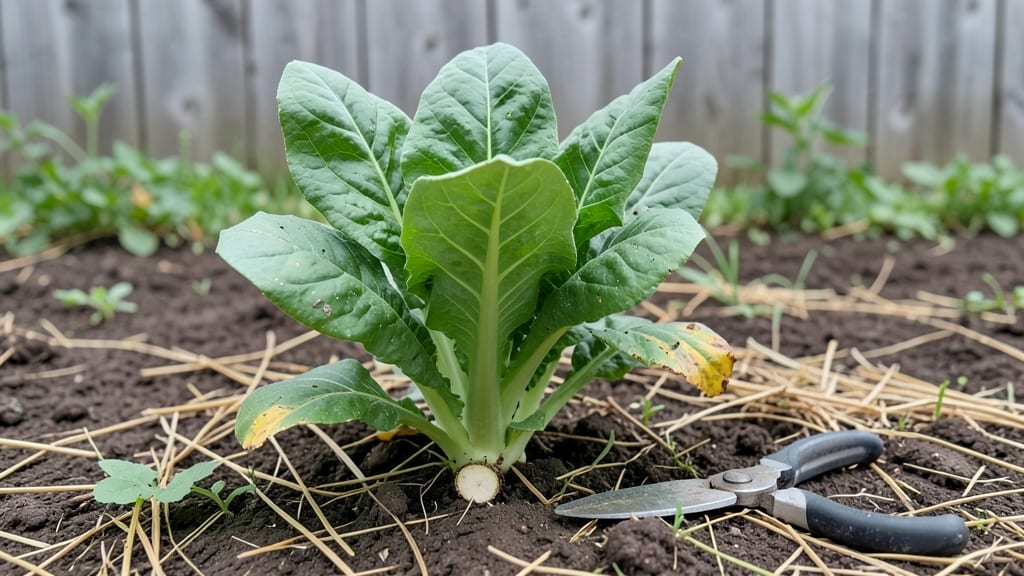
Gardening burns calories efficiently, with moderate yard work like digging or weeding averaging 300-400 calories per hour for a 155-pound person, while intensive tasks like hauling soil or chopping wood can exceed 500 calories per hour. Light gardening still contributes 150-200 calories burned, making it a surprisingly effective full-body workout.
When you're out in the garden, you're essentially doing a full-body workout without even realizing it. 🌱 The key lies in how different tasks engage multiple muscle groups—digging activates your core and legs, while raking works your arms and shoulders.
Even light activities like pruning or planting still get your heart rate up, especially if you maintain a steady pace. What's fascinating is that the more you vary your movements, the more calories you burn, thanks to your body constantly adapting to new demands.
For those looking to maximize their gardening workout, consider adding resistance or time challenges. Carrying heavy pots of soil or using a wheelbarrow forces your muscles to work harder, while timed intervals—like weeding for 10 minutes straight—can push your heart rate into cardio territory.
The best part? You're not just burning calories; you're also growing something beautiful. It's a win-win for both your body and your garden. 💫
💡 In This Article
- Calorie-Burning Mechanics in Different Gardening Tasks
- Maximizing Calorie Burn Without Sacrificing Plant Health
Calorie-burning mechanics in different gardening tasks
Here's what's actually happening when you're out in the garden: every task engages specific muscle groups with varying intensity levels. Digging, for example, is a compound movement that simultaneously works your quadriceps, hamstrings, and core muscles while maintaining balance.
The repetitive motion elevates your heart rate, pushing your metabolic rate into what scientists call the "moderate-intensity" zone (40-60% of your max heart rate).
This is why a 155-pound person can burn 350-400 calories per hour—the combination of strength and endurance demands forces your body to work harder than many traditional cardio exercises. 🔥
The key difference between low-impact and high-impact gardening tasks lies in their metabolic demand. Raking leaves or pruning shrubs primarily engages your upper body (shoulders, arms, and back) while requiring minimal leg movement, typically burning 150-250 calories per hour.
In contrast, hauling bags of soil or chopping wood activates fast-twitch muscle fibers in your legs and core, which are designed for explosive power rather than endurance. These tasks can push calorie burn to 500+ calories per hour because they combine strength training with cardiovascular effort.
The science behind this is simple: fast-twitch fibers require more energy to repair and recover after exertion.
Duration plays a crucial role in total calorie expenditure. A 30-minute session of digging might burn 175-200 calories, but extending it to 60 minutes doubles that—thanks to something called the "afterburn effect."
Your body continues burning calories at an elevated rate for up to 2 hours post-exercise due to increased core temperature and muscle repair processes.
This is why gardeners who tackle larger projects (like installing a raised bed) often see greater long-term weight management benefits than those doing short, sporadic tasks. 💫
What most people don't realize is how ergonomics affect calorie burn. Using proper techniques—like bending at the knees instead of the waist when lifting—reduces strain on your lower back while maintaining muscle engagement.
Poor form can actually lower calorie expenditure by 15-20% because your body compensates by using less efficient movement patterns.
For instance, dragging a heavy wheelbarrow with your arms instead of pushing it with your legs shifts the workload from your powerful quadriceps to your smaller arm muscles, cutting energy output by nearly half.
Seasonal variations also impact calorie burn. Winter gardening (like cleaning gutters or shoveling snow) often burns 10-15% more calories than summer tasks because cold temperatures force your body to work harder to maintain core warmth.
The extra energy expenditure comes from your thermoregulation system kicking into overdrive—something called "non-shivering thermogenesis"—which can add an extra 50-100 calories per hour to your total burn.
Even light tasks like raking in cold weather become more metabolically demanding because your muscles need to generate more heat to function efficiently. ✨
Consider these muscle-group comparisons for common tasks:
- Digging: Engages 60% core, 30% legs, 10% arms (full-body workout)
- Raking: 40% back/shoulders, 30% arms, 30% legs (upper-body dominant)
- Pruning: 50% arms/wrists, 30% core, 20% legs (precision-based, lower burn)
- Hauling soil: 70% legs/core, 20% arms, 10% back (high-intensity strength)
Understanding these mechanics helps you design your gardening routine for maximum efficiency. For example, combining tasks—like digging followed by hauling soil—creates a natural interval effect, keeping your heart rate elevated continuously. The result? You burn calories more effectively while accomplishing more in the garden. 🌟