
Size
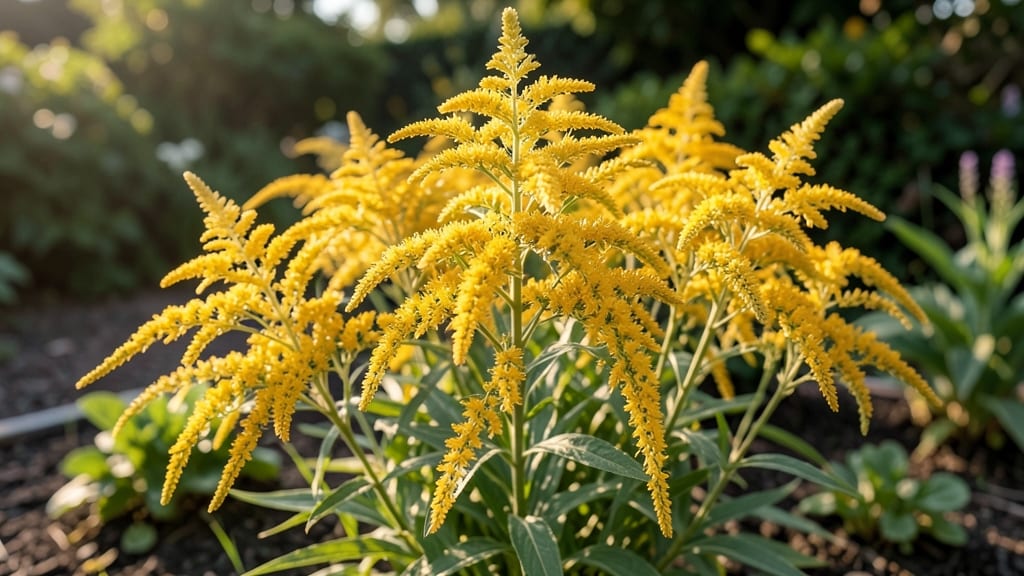
Tall garden weeds can quickly overtake your carefully cultivated plants, stealing nutrients and sunlight. Learn to identify these 10 common aggressive weeds and remove them safely to protect your garden's health and beauty.
Giant Hogweed Identification Guide
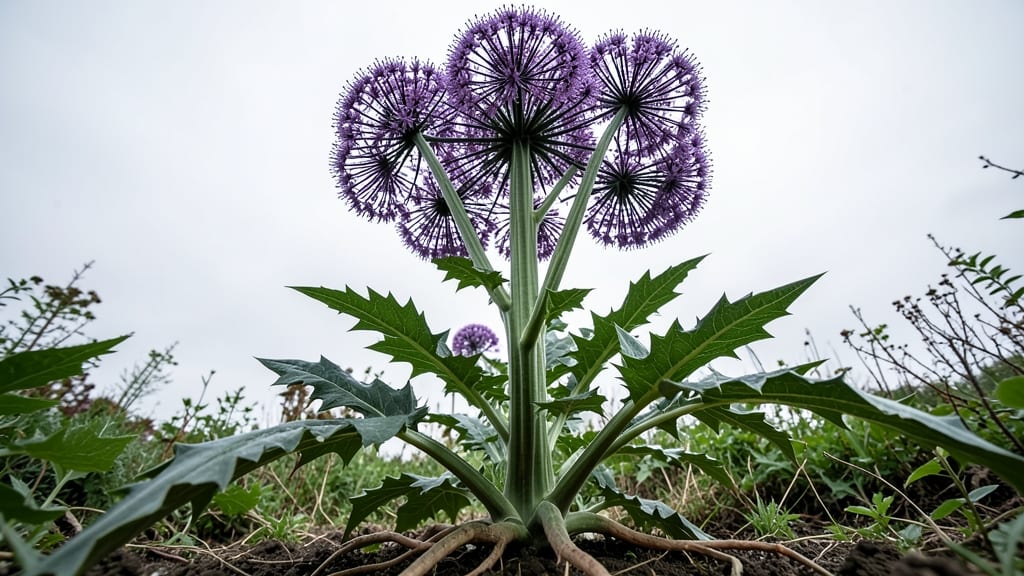
If you’ve ever spotted a 14-foot-tall plant with massive purple flower clusters in your garden, it’s not a misplaced sunflower—it’s giant hogweed, a highly toxic weed that can cause severe skin burns when exposed to sunlight. This invasive plant spreads rapidly, shading out your prized plants and creating a safety hazard.
Look for deeply lobed leaves (3-5 feet long) and hollow, ridged stems that ooze a milky sap when cut. The flower clusters resemble Queen Anne’s lace but grow much larger, up to 5 feet wide. Since its sap contains phototoxic compounds, even touching the plant can lead to blisters within 48 hours—especially in sunny conditions.
Gardeners in shady, moist areas (like riverbanks or neglected corners) should be extra vigilant. If you spot it, avoid pulling by hand—wear gloves and long sleeves, then dig out the entire root system or smother it with thick mulch. Early removal is key to preventing this garden takeover. ✨
Common Milkweed Removal Techniques
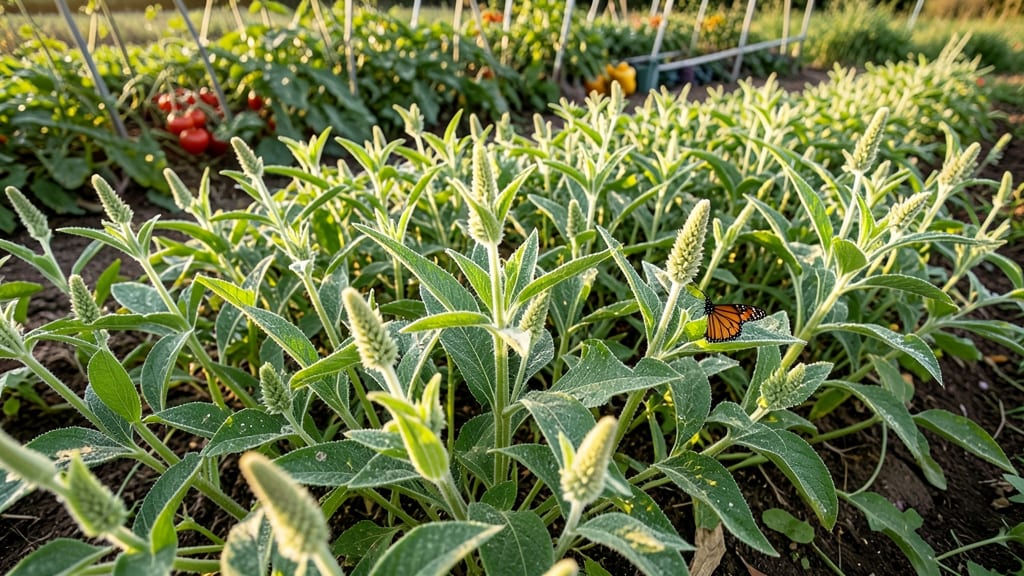
Love monarch butterflies? Common milkweed is their lifeline—but its rapid growth can smother your veggies in no time. This fast-spreading plant thrives in sunny spots, turning your garden into a sea of fuzzy leaves if left unchecked.
For organic gardens, pull young plants by hand before roots establish. Mature plants require a dutch hoe or digging fork to sever deep taproots. Bag and compost the debris immediately—never leave seed pods behind, as they release thousands of seeds. Mulch heavily with cardboard or straw to suppress regrowth.
This method works best for gardeners who want to protect monarchs while keeping their vegetable beds weed-free. Balance conservation with control for a thriving garden. 🌿
Japanese Knotweed Control Methods
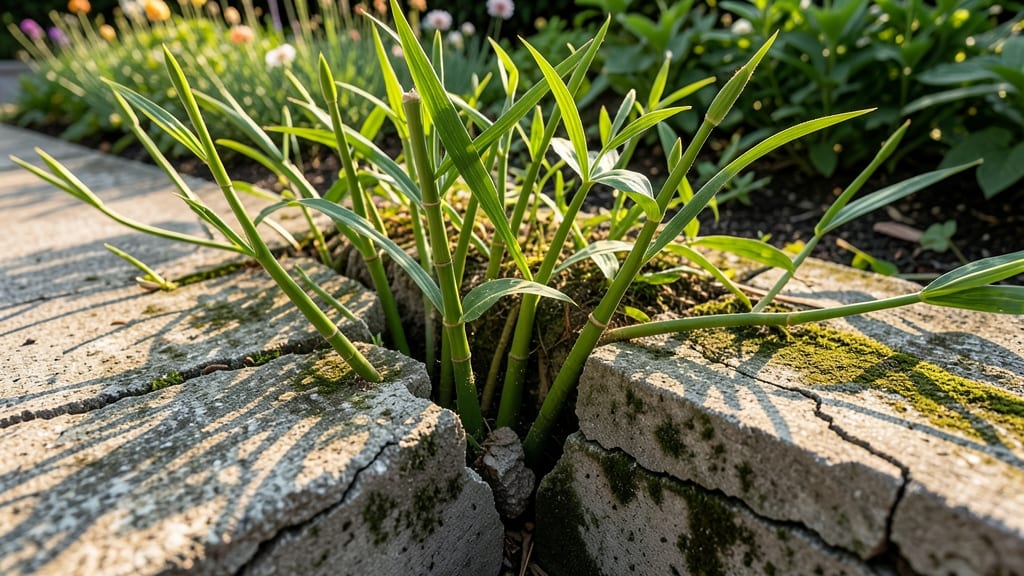
If your garden has bamboo-like stems creeping through cracks in your patio or foundation, you’re likely dealing with Japanese knotweed—one of the most destructive tall weeds in North America. Unlike other weeds, this aggressive invader can split concrete and damage structures if left unchecked.
For chemical-free removal, start by cutting the stems at ground level in early spring before new growth begins. Repeat this process every 2-3 weeks to weaken the plant, as knotweed stores energy in its roots. Cover the cut stems with cardboard or thick mulch to block sunlight and starve the roots. For stubborn patches, dig out the roots in small sections (wear gloves—its sap can irritate skin) and dispose of them in sealed bags.
This method works best for home gardeners who want to avoid herbicides but need a long-term solution. With patience and persistence, you can reclaim your garden and protect your property from this relentless invader. 💪
Sunflower-Like Common Cocklebur
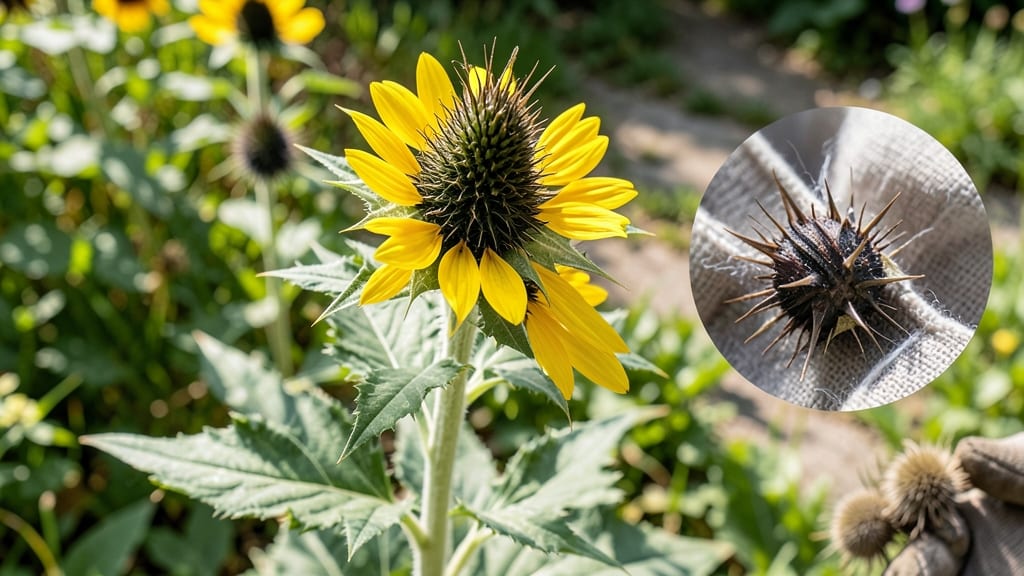
That cheerful golden-yellow flower you might mistake for a sunflower? It could be the common cocklebur, a weed with spiky seed heads that spreads faster than kudzu. Unlike its sunflower lookalike, cocklebur produces bur-like seed pods that cling to clothing and animal fur, spreading aggressively across your garden.
To distinguish it, look for rough, hairy leaves and those distinctive spiky seed heads that form after flowering. The key to eradication is acting early—pull young plants by hand or use a hoe to cut them at the base before seeds form. For established plants, smother them with thick mulch or dig deeply to remove roots, but avoid tilling, which spreads seeds. Always wear gloves to prevent those burs from hitching a ride home. 🌻
Tall Buttercup Identification Tips
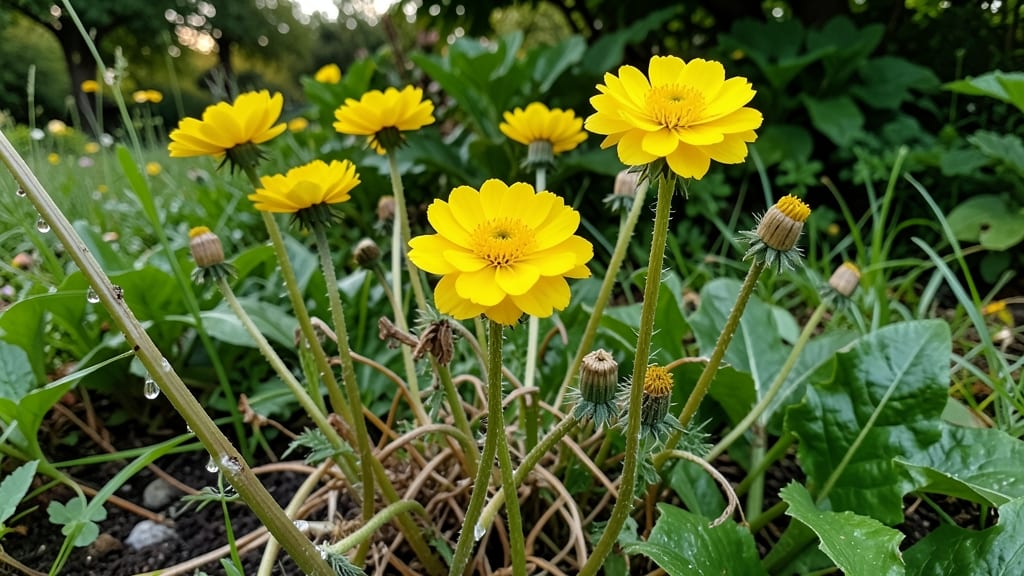
Those cheerful bright yellow blooms might look like harmless wildflowers, but tall buttercups (Ranunculus acris) are sneaky weeds with a sting—literally. Their milky sap can irritate skin, and their seed heads spread effortlessly, turning your garden into a sea of unwanted yellow.
First, confirm it’s a buttercup by checking for five rounded petals and deeply lobed leaves. When removing, wear gloves and avoid touching the stems—even broken pieces can regrow. Pull entire plants (roots and all) before they set seed, or use a sharp spade to cut them at the base. For stubborn patches, smother with cardboard or mulch to block sunlight.
This weed thrives in lawns and garden edges, so early action is key. Urban gardeners and beginners will appreciate its straightforward removal—just don’t let its pretty face fool you! 🌻
Canada Thistle Elimination Guide
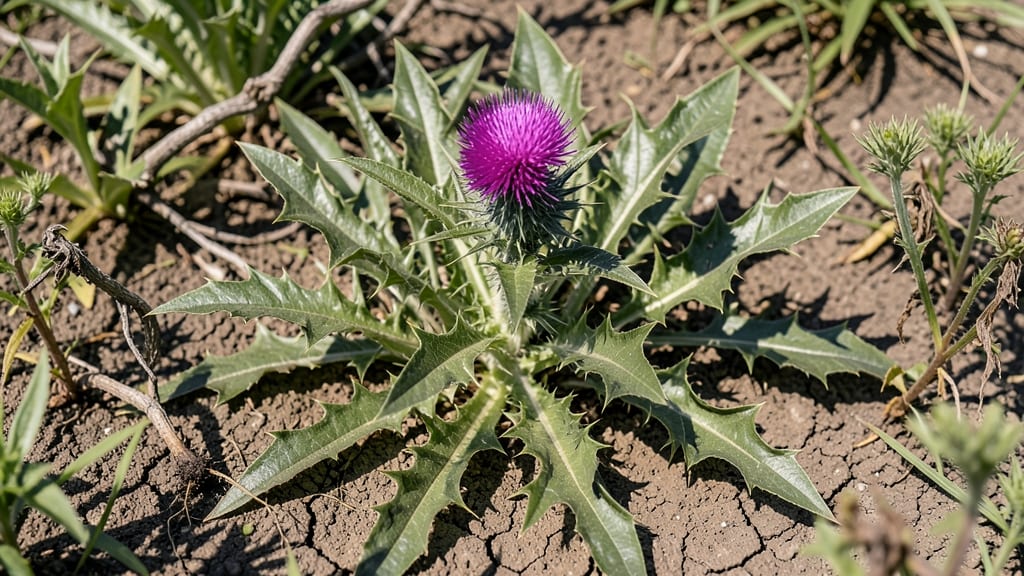
If you’ve ever pulled a weed only to see it sprout back with purple, spiky flowers weeks later, you’ve met Canada thistle—a tenacious perennial that thrives in disturbed soil and outcompetes your plants. Unlike annual weeds, this deep-rooted invader can regrow from fragments as small as a quarter-inch, making traditional removal methods frustratingly ineffective.
For mechanical removal, use a dandelion digger or garden fork to sever the taproot at least 6 inches deep—any smaller pieces will regrow. Follow up by smothering the area with cardboard and mulch for 6–12 months to starve remaining roots. For organic control, apply corn gluten meal in early spring to prevent seed germination, or use a solarization method by covering the area with clear plastic for 4–6 weeks during hot weather to bake the roots.
This weed is especially stubborn in lawns and pathways, where it spreads via underground rhizomes. Gardeners in dry climates often struggle most, as Canada thistle tolerates drought once established. 💪
Giant Ragweed Prevention Strategies
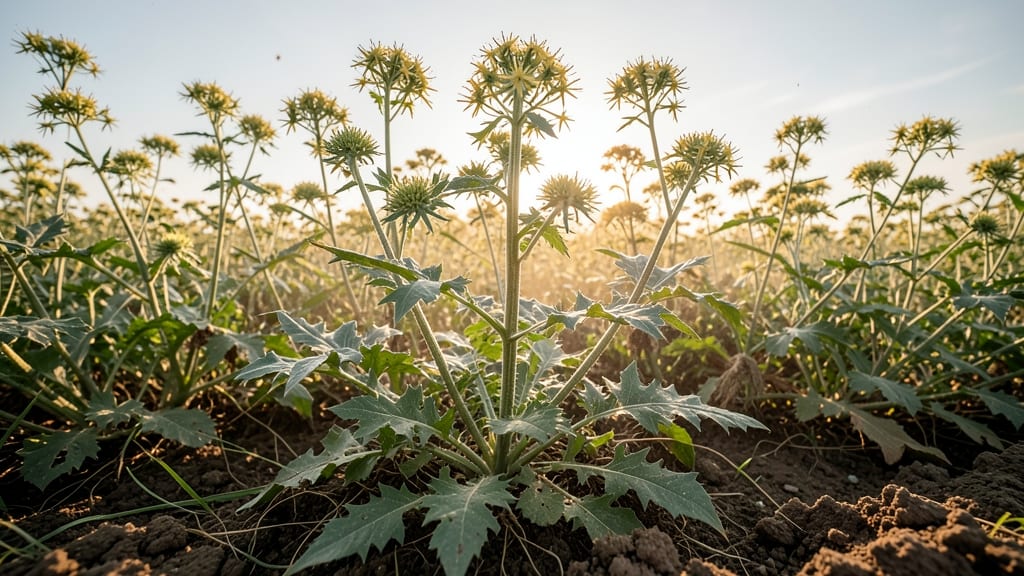
If your garden is suddenly overrun by towering plants with greenish-yellow flowers and you're sneezing more than usual, you're likely dealing with giant ragweed—a sneeze-inducing giant that thrives in disturbed soils and spreads like wildfire. Unlike its smaller cousin, this weed can grow up to 10 feet tall and releases pollen that peaks in late summer, making prevention key.
Start by hand-pulling young plants before they seed, wearing gloves to avoid skin irritation from the sap. For established patches, smother them with black plastic or thick mulch for 4-6 weeks to block sunlight and starve the roots. If you spot it in your yard, act fast—seed heads form in just 60 days, and one plant can produce thousands of seeds.
This strategy is a game-changer for allergy sufferers and gardeners near wild areas, where giant ragweed often invades from roadsides or fields. Early intervention keeps your garden—and your sinuses—happy. 🌟
Mullein Weed Removal Without Chemicals
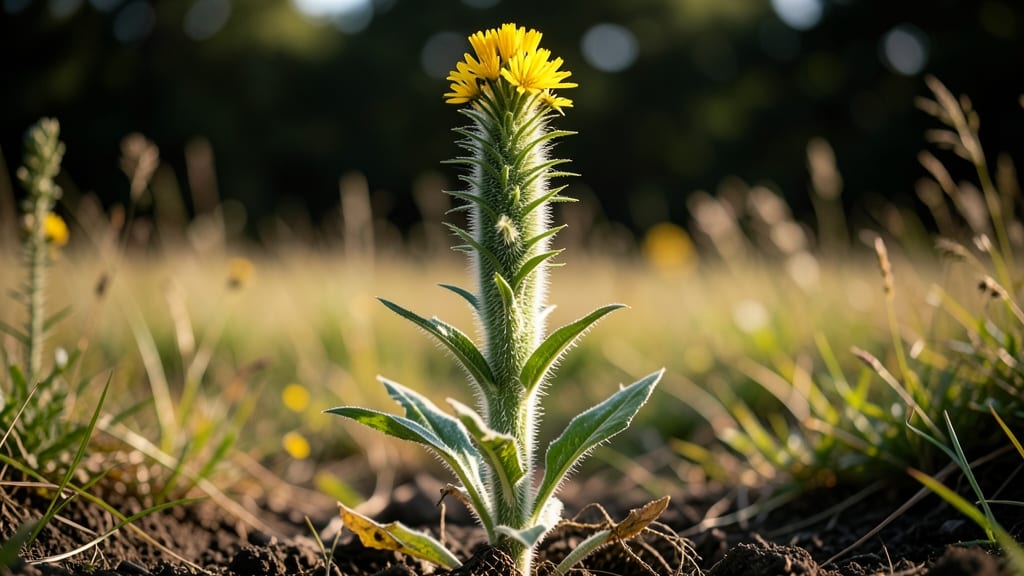
That velvety, fuzzy-stemmed plant towering over your garden might look like a medicinal herb, but mullein can quickly become a stubborn weed if left unchecked. Its tall spikes (up to 5 feet) and yellow flowers make it easy to confuse with beneficial plants—but its deep roots and rapid spread make it a nuisance.
To remove it safely, pull young plants by hand when soil is moist, or use a dandelion digger for mature roots. For established patches, smother with cardboard or thick mulch to block sunlight. Avoid vinegar—its fuzzy stems resist absorption. Always wear gloves to avoid skin irritation from its fine hairs.
This method is perfect for organic gardeners or those who want to avoid harsh chemicals while keeping their garden tidy. A little early intervention goes a long way! 🌿
Wild Parsnip Control in Gardens
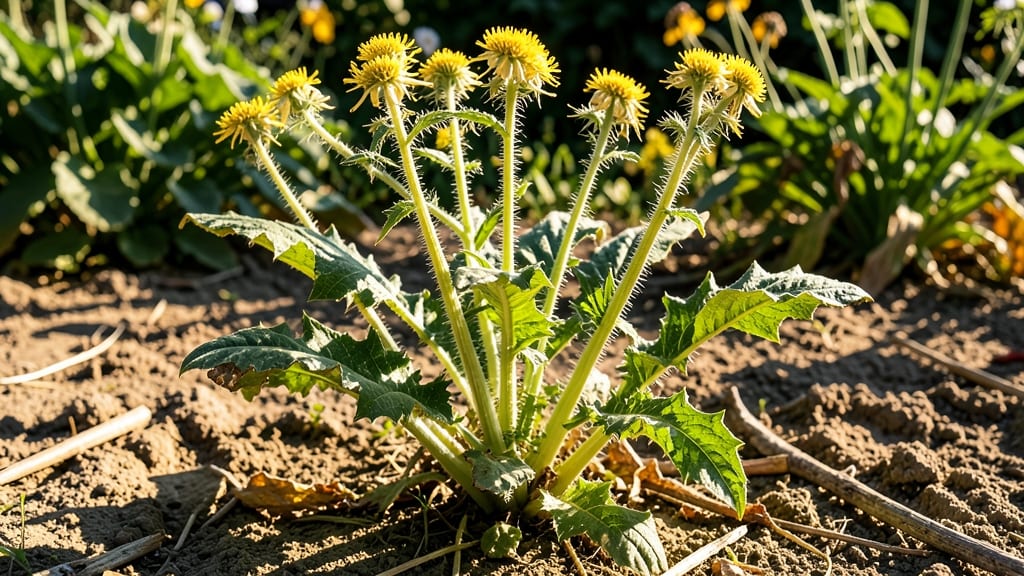
That bright yellow flower cluster might look like a wild carrot, but wild parsnip is a sneaky invader with a dangerous secret: its sap causes painful skin blisters when exposed to sunlight. This toxic weed thrives in disturbed soils and can reach heights of 3-5 feet, making it a formidable foe in any garden.
To remove it safely, wear long sleeves and gloves—never pull by hand, as broken stems release more sap. Instead, cut stems at ground level with pruners or shears in early summer before seeds form. For large patches, smother with cardboard or thick mulch for at least 6 months to starve the roots. Always dispose of cuttings in sealed bags, not compost.
Home gardeners in rural areas should be especially vigilant, as wild parsnip spreads rapidly along roadsides and fields. Early removal protects both your skin and your prized plants from this aggressive intruder. 💪
Tall Goldenrod Weed Management

Goldenrod often gets a bad rap for causing allergies, but the real culprit is ragweed—this bright golden beauty is harmless and even supports pollinators. Its plume-like flowers add late-summer color to garden borders, but left unchecked, it can dominate your space.
To manage its spread without sacrificing aesthetics, pull young plants by hand or use a sharp hoe to cut stems at the base before seeds form. For established clumps, mow or trim flowers regularly to prevent seed dispersal. Goldenrod thrives in full sun to partial shade, so prune strategically to redirect its energy toward your desired plants.
Perfect for gardeners who want to preserve pollinator-friendly plants while keeping weeds in check, goldenrod’s vibrant blooms can even be dried for winter arrangements. Let it shine—just keep it in its place! 🌻