
Flowers
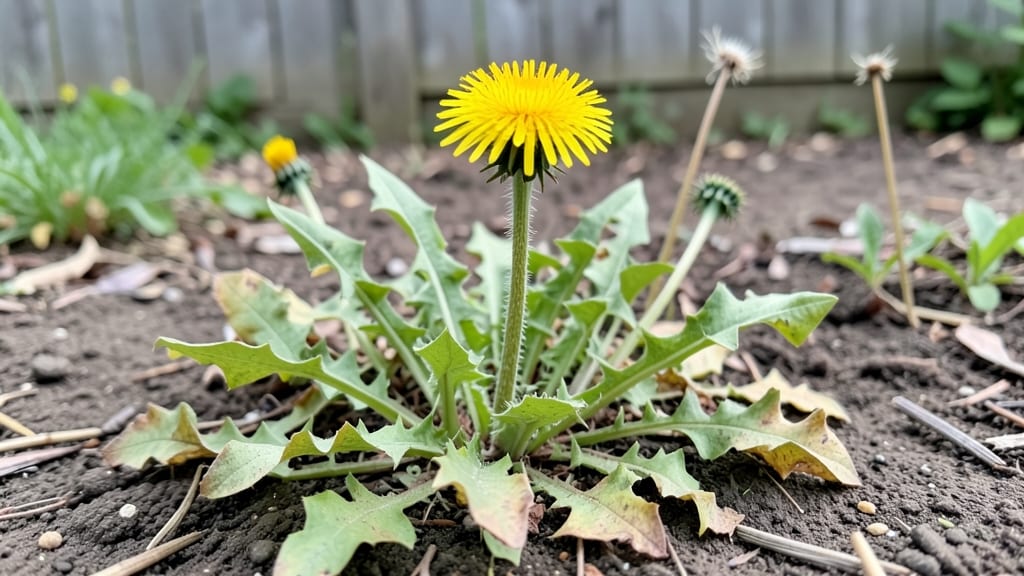
Identifying garden weeds with yellow flowers can save you hours of frustration before they take over. 🌱 I’ve spent too many weekends yanking stubborn dandelions and buttercups by hand—only to see them pop up again next week.
The key is recognizing them early, before they go to seed and spread like wildfire across your beds.
Most common offenders like dandelions and chickweed thrive in disturbed soil, while buttercups love moist areas. Their bright yellow blooms might look pretty, but they’re aggressive competitors for nutrients and space.
The good news? Manual removal works best when you act fast—pull them before they set seed, and you’ll cut their numbers dramatically.
Once you spot them, grab a pair of gloves and tackle them at the root. For stubborn patches, a vinegar spray or targeted herbicide (like glyphosate) can help, but organic methods like mulching or planting dense ground covers keep them from returning.
A weed-free garden starts with knowing your enemy—and these yellow invaders have telltale habits.
Prevention is your secret weapon: healthy soil crowds out weeds, and regular checks keep their populations in check. With the right approach, you’ll reclaim your garden without losing your mind—or your weekends—to these bright but pesky plants.
How Nature Invites Yellow Blooms
Those bright, cheerful yellow flowers popping up in your garden aren’t just random—they’re the result of clever survival strategies and environmental cues. Understanding why these weeds thrive helps you outsmart them before they take over. Let’s break down the science behind their persistence.
Yellow-flowering weeds often dominate because they’ve evolved to exploit gaps in your garden’s ecosystem. Here’s how:
- Sunlight Seekers: Many yellow-flowered weeds, like dandelions (Taraxacum officinale) and goldenrod (Solidago spp.), thrive in full sun. Their bright blooms aren’t just for show—they maximize photosynthesis, turning sunlight into rapid growth. If your garden has bare patches or thin soil, these weeds fill the void faster than your desired plants.
- Soil Opportunists: Weeds with yellow flowers often prefer disturbed or nutrient-rich soil. Tilling, mulching changes, or even foot traffic can create the perfect seedbed. For example, buttercups (Ranunculus spp.) release chemicals that suppress competing plants, giving them an unfair advantage.
- Drought Resilience: Some, like evening primrose (Oenothera biennis), have deep root systems that tap into water sources your shallow-rooted plants can’t reach. Their waxy leaves reduce water loss, letting them bloom even in dry spells.
Actionable Tip: 💡 Mulch consistently (2–4 inches of organic material) to block sunlight from weed seeds and retain moisture for your plants. Solarization—covering soil with clear plastic for 4–6 weeks—can also kill dormant seeds.
Yellow-flowering weeds don’t just spread—they conquer. Their reproductive superpowers include:
| Weed Type | How It Spreads | Why It Works |
|---|---|---|
| Dandelions | Wind-dispersed seeds (up to 15,000 per plant!) | Seeds can travel miles and stay viable for years in soil. |
| Creeping Charlie (Ground Ivy) | Runners (stolons) and self-seeding | Each node on the stem can root, creating a dense mat. |
| Yellow Woodsorrel | Explosive seed pods (eject seeds 3+ feet) | Seeds land in fresh soil, germinating within days. |
| Canada Thistle | Deep, creeping roots + windborne seeds | Roots can regrow from fragments as small as 1 inch. |
Actionable Tip: ✨ Remove weeds before they seed. For perennials like thistle, dig below the root crown (6+ inches deep) to prevent regrowth. Use a seed trap (a bucket of soapy water) to catch flying seeds.
Temperature, rainfall, and day length act like a green light for yellow-flowered weeds. Here’s how:
- Cool-Season Dominators: Weeds like henbit (Lamium amplexicaule) and chickweed (Stellaria media) germinate in fall or early spring when soil temps are 50–65°F. Their yellowish-green rosettes stay low to the ground, avoiding frost while storing energy for rapid spring growth.
- Heat-Loving Invaders: Purslane (Portulaca oleracea) and spotted spurge (Euphorbia maculata) thrive in summer heat (70–95°F). Their succulent stems retain water, and their shallow roots let them pop up in cracked pavement or dry mulch.
- Day-Length Sensitivity: Some weeds, like evening primrose, use photoperiodism—they only flower when daylight exceeds 14 hours (common in late summer). This syncs their reproduction with peak pollinator activity, ensuring seed spread.
Actionable Tip: ⏰ Time your interventions:
- For cool-season weeds, apply pre-emergent herbicide in early fall (before germination).
- For summer bloomers, hand-pull when soil is moist (early morning or after rain) to avoid disrupting roots.
Some yellow-flowered weeds don’t just compete for space—they poison their neighbors. Allelopathy is their secret weapon:
- Buttercups: Release protoanemonin, a toxin that inhibits seed germination and root growth in nearby plants. This is why they often appear in monocultures—they’re actively suppressing competition.
- Black Walnut Trees’ Allies: Jimsonweed (Datura stramonium) thrives under walnut trees because the tree’s juglone toxin kills other plants, leaving space for weeds like jimsonweed to dominate.
- Goldenrod’s Misunderstood Role: Often blamed for allergies, goldenrod’s allelopathic compounds actually suppress fungal growth in soil, indirectly helping other weeds (like ragweed) by reducing natural predators.
Actionable Tip: 🔥 Break the cycle by:
- Planting competitive ground covers (like clover or creeping thyme) to outcompete allelopathic weeds.
- Using compost or mycorrhizal fungi to counteract soil toxins and restore microbial balance.
Tackle Yellow-Blooming Weeds Naturally
Now that you know why those bright yellow flowers are popping up in your garden, let’s roll up our sleeves and reclaim your green space! The good news? Most yellow-flowered weeds can be managed with a mix of prevention, manual removal, and targeted treatments—without resorting to harsh chemicals.
Below, we’ll break down the best solutions based on the cause of your weed problem, plus pro tips to keep them from staging a comeback.
Cause: Weeds thrive where grass, flowers, or mulch are sparse, taking advantage of bare soil. Solution:
- Add mulch 🍂 – Spread 2–4 inches of organic mulch (straw, wood chips, or shredded leaves) around plants. This blocks sunlight (weeds’ nemesis) and retains moisture. Pro tip: Refresh mulch yearly to prevent breakdown.
- Plant densely 🌿 – Fill gaps with ground covers (like creeping thyme or clover) or fast-growing annuals (e.g., alyssum or vinca). Weeds hate competition!
- Improve soil health 💡 – Test your soil’s pH and nutrients. Amend with compost to encourage strong, weed-resistant plants. Healthy soil = fewer weed opportunities.
Prevention: ✅ Mulch new beds before weeds sprout. ✅ Avoid over-tilling—it stirs up weed seeds. ✅ Use landscape fabric under mulch in high-weed areas (but leave edges exposed to prevent rot).
Cause: Sun-loving weeds (like dandelions or oxalis) dominate in open, sunny spots. Solution:
- Add shade ☀️🌿 – Plant tall perennials or trees (e.g., sunflowers, coneflowers, or ornamental grasses) to naturally reduce sunlight to the ground.
- Try shade-tolerant ground covers 🌱 – Options like lamium or ajuga outcompete weeds without needing full sun.
- Use black plastic or cardboard 📦 – Smother weeds temporarily with cardboard + mulch in problem areas (great for pathways).
Prevention: ✅ Plan sun/shade zones before planting. ✅ Choose native plants—they’re adapted to your climate and less likely to attract weeds. ✅ Water deeply—healthy plants resist weeds better.
Cause: Some weeds (like bindweed or chickweed) spread aggressively and return if not fully removed. Solution:
- Pull by hand 👩🌾 – Best time: Early morning or after rain when soil is moist. Grasp the base (not just the top) and yank firmly. For deep roots, use a dandelion digger or weed wrench.
- Use a hoe 🔪 – A stirrup hoe or Hula hoe cuts weeds at the soil line. Work shallowly to avoid disturbing seeds.
- Vinegar spray 🧴 – Mix 1 gallon white vinegar + 1 cup dish soap + 1 cup salt in a spray bottle. Target small weeds only (kills nearby plants too!). Reapply every 3–4 days for stubborn ones.
Prevention: ✅ Remove weeds before they seed—don’t let them go to flower! ✅ Boil water on stubborn weeds (great for driveways or cracks). ✅ Solarize soil in late summer: Cover bare soil with clear plastic for 4–6 weeks to bake out seeds.
Cause: Yellow-flowered weeds (like clover or plantain) often invade thin or over-fertilized lawns. Solution:
- Mow high ⏱️ – Set your mower to 3–4 inches to shade out weeds and strengthen grass roots.
- Feed the grass, not the weeds 💪 – Use a slow-release, nitrogen-rich fertilizer in early spring/fall. Avoid weed-and-feed products—they often contain pre-emergent herbicides that can harm desirable plants.
- Overseed bare spots 🌱 – Rake out weeds, then sow grass seed + compost. Choose drought-resistant grasses (like tall fescue) to outcompete invaders.
Prevention: ✅ Aerate compacted soil yearly to improve grass health. ✅ Water deeply but infrequently (1–1.5 inches per week) to encourage deep roots. ✅ Pull weeds when soil is damp—they’re easier to remove.
Cause: Dry conditions stress plants, leaving gaps for yellow-flowered opportunists (like purslane or shepherd’s purse). Solution:
- Drip irrigation 💧 – Water early morning to give plants a drink before the sun evaporates moisture. Aim for 1 inch per week (including rain).
- Group plants by water needs 🌿 – Cluster drought-tolerant plants (e.g., lavender, sedum) together and water them separately from thirsty annuals.
- Use wood chips or gravel 🪵 – In dry areas, gravel mulch reduces evaporation and deters weeds.
Prevention: ✅ Mulch heavily in drought-prone zones. ✅ Choose native, low-water plants—they’re weed-resistant by design! ✅ Monitor soil moisture with a moisture meter to avoid over/under-watering.
Final Pro Tip: 🎯 Stay consistent! Weeds don’t win overnight—they take over with neglect. Spend 10–15 minutes weekly pulling new sprouts, and your garden will stay lush and weed-free. Happy gardening!
Frequently asked questions
How do I tell if a yellow-flowered plant is actually a weed?
Check for these red flags: If the plant has deep taproots (like dandelions), spreads via runners (creeping Charlie), or produces thousands of seeds (buttercups), it’s likely a weed. True weeds also lack the neat growth habit of cultivated plants and often appear where soil is disturbed or thin.
Are there any yellow-flowered weeds that are actually edible?
Yes! Dandelions and purslane are both edible weeds with yellow blooms. Dandelion greens taste bitter but work well in salads, while purslane has a slightly tangy flavor. Always confirm identification before eating wild plants—some toxic look-alikes exist (like water hemlock).
What’s the fastest way to remove weeds with deep roots like dandelions?
Use a dandelion digger or weed wrench to pry out the entire root system. For stubborn patches, try a vinegar spray (20% acetic acid) or targeted herbicide like glyphosate. Always remove weeds before they go to seed—one dandelion can produce up to 15,000 seeds!
Will mulching really prevent yellow-flowered weeds?
A 2-4 inch layer of organic mulch blocks sunlight, which weeds need to germinate. Use wood chips, straw, or shredded leaves, and keep it 2-3 inches away from plant stems to prevent rot. Refresh mulch annually for best results.
Why do some yellow-flowered weeds keep coming back even after removal?
Many weeds like Canada thistle and bindweed have creeping roots or dormant seeds that can survive for years. The key is persistence—keep pulling or treating until you see no new growth. For perennials, dig 6+ inches deep to remove the entire root system.