
Tools
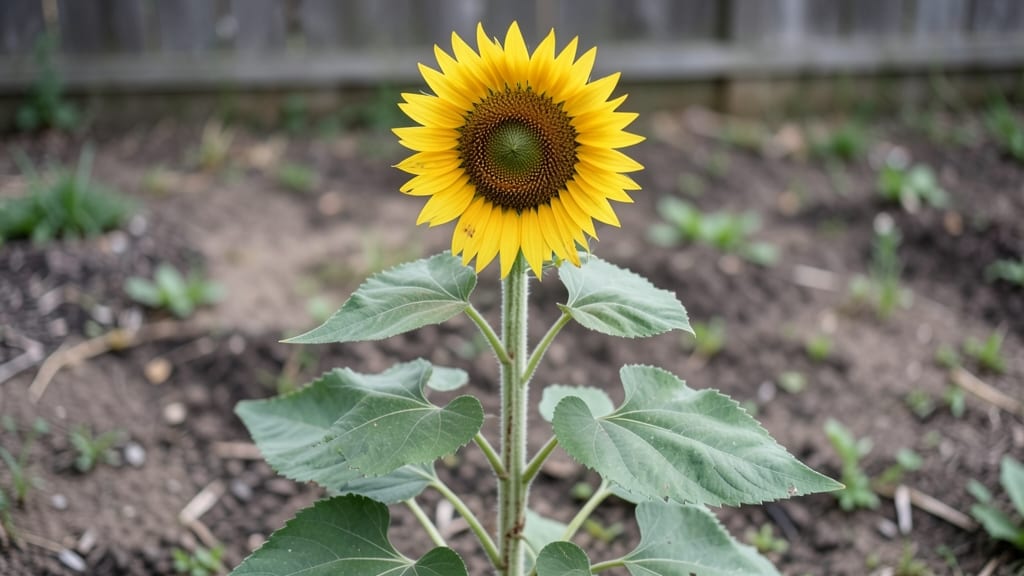
Sunflowers in the garden don’t just add height—they create a living tapestry that dances with pollinators from spring to frost. 🌻 I planted my first row last summer, and within weeks, bees, butterflies, and hummingbirds turned my yard into a buzzing ecosystem.
The golden blooms caught sunlight like beacons, while the rustling foliage provided shelter for beneficial insects.
Start with a 5-foot spacing between plants for single stems or 12 inches apart for bushier varieties like 'Moulin Rouge.' Mix heights—tall varieties like 'Russian Giant' (10-12 feet) behind shorter 'Teddy Bear' (3-5 feet)—creates drama while keeping paths clear.
For pollinator power, pair them with coneflowers, black-eyed Susans, and lavender; the combo extends the season by weeks.
By midsummer, your garden becomes a sunflower cathedral, its petals radiating warmth while the centers feed bees and birds. The dried stalks in fall add rustic texture, and if you leave some standing, finches and goldfinches will feast on the seeds through winter.
It’s not just a garden feature—it’s a year-round habitat.
Works in borders, containers, or as a standalone focal point. Whether you’re aiming for cottage charm or modern pollinator-friendly design, sunflowers deliver both beauty and function. Let’s make your garden their stage.
📚 In This Guide
- What you need
- Instructions
- Tips and common mistakes
- Wrapping up and next steps
What you need
- ● Sunflower Seeds: Choose heirloom or hybrid varieties (e.g., 'Moulin Rouge,' 'Autumn Beauty,' or 'Russian Giant'). Buy 10–20 seeds per plant (or pre-started seedlings if preferred).
- ● Well-draining soil: Aim for 6.0–7.5 pH. Mix in 2–3 inches of compost per square foot for nutrient-rich soil.
- ● Organic fertilizer: Use a balanced 10-10-10 or 5-10-10 formula (follow package rates for application).
- ● Mulch: 2–3 inches of straw or wood chips to retain moisture and suppress weeds.
- ● Garden trowel or shovel (for planting and soil prep).
- ● Garden fork or cultivator (to loosen soil).
- ● Watering can or hose with a gentle spray nozzle (sunflowers need 1–2 inches of water per week).
- ○ Stakes or trellis (optional): Use 3–4 ft bamboo stakes or a heavy-duty trellis for tall varieties like 'Russian Giant.'
- ● Pruning shears (for deadheading and shaping).
- ● Gloves (to protect hands while working).
- ● Sunlight: Full sun (6–8+ hours daily)—sunflowers thrive in bright, open spaces!
- ● Spacious planting area: Sunflowers need 12–24 inches of space between plants (check variety tags for specifics).
- ● Pollinator-friendly zone: Plant near bee balm, cosmos, or marigolds to attract butterflies and bees year-round!
Step-by-Step instructions for designing a sunflower garden
Transform your outdoor space with sunflowers that thrive and draw pollinators—here’s how to create a striking, functional display.
🌱 Step 1: Choose Varieties for Height and Seasonal Interest
Select sunflower varieties that complement your garden’s scale and timing. For tall varieties like ‘Mammoth’ (up to 14 feet), plant them at the back or center of your design, where they’ll create a dramatic focal point. Shorter types, such as ‘Teddy Bear’ (3-4 feet), work beautifully in the front or borders, adding texture and color without overshadowing other plants.
Mix early-, mid-, and late-season bloomers to ensure continuous pollinator activity. For example, ‘Autumn Beauty’ blooms in late summer to fall, extending the season when many other flowers have faded. I like to include two or three varieties per bed to create layers and movement in the wind.
🪴 Step 2: Prepare the Soil and Planting Locations
Sunflowers thrive in well-draining soil with full sun (6-8 hours daily). Before planting, loosen the soil to a depth of 12 inches using a garden fork or tiller. Amend the area with 2-3 inches of compost to enrich the soil naturally—sunflowers are heavy feeders and benefit from organic matter.
Space plants according to their mature height: 18-24 inches apart for dwarf varieties and 2-3 feet apart for giants. If planting in rows, allow 3 feet between rows for easy maintenance. Mark planting spots with stakes or a garden hose outline to ensure even spacing—crowded sunflowers compete for nutrients and light, leading to weaker stems.
☀️ Step 3: Plant Seeds at the Right Depth and Time
Sow seeds ½ inch deep and 1 inch apart in rows or clusters, depending on your design. Press the soil gently around each seed to ensure good contact—this prevents drying out and encourages strong germination. Water lightly after planting to settle the soil, but avoid overwatering, which can cause seeds to rot.
For spring planting, wait until the soil temperature reaches 55°F—this ensures rapid germination and avoids damping-off. In cooler climates, start seeds indoors 4-6 weeks before the last frost and transplant seedlings outdoors after the danger of frost has passed. Watch for sprouts in 7-14 days; thin seedlings to 12-18 inches apart once they reach 3-4 inches tall to give them room to grow.
💧 Step 4: Water and Maintain for Optimal Growth
Water deeply once a week during the first month, ensuring the soil is moist to a depth of 6 inches. Once established, sunflowers are drought-tolerant, but consistent moisture (especially during bud formation) prevents weak stems and encourages larger blooms. Water at the base of the plant in the morning to reduce fungal risks and evaporation.
Fertilize lightly with a balanced, slow-release fertilizer (10-10-10) at planting and again when plants reach 12 inches tall. Avoid high-nitrogen fertilizers—these promote leafy growth at the expense of flowers. Stake taller varieties if needed, especially in windy areas, to prevent lodging. Deadhead spent blooms to encourage secondary flowering and extend the season.
✂️ Step 5: Harvest and Enjoy the Benefits
Harvest sunflower seeds when the back of the bloom turns yellow and the petals begin to droop. Cut the heads with 2-3 feet of stem and hang them upside down in a dry, well-ventilated area for 2-4 weeks to dry. Once fully dry, rub the heads to release the seeds—store them in a cool, dark place for up to a year.
Leave some heads on the stems for pollinators, especially bees and butterflies, which rely on sunflowers for nectar and pollen. The sheer volume of visitors will make your garden a local hotspot. For a year-round display, plant sunflowers alongside winter-hardy perennials like coneflowers or black-eyed Susans to ensure continuous color and activity.
Tips & tricks for perfect sunflower garden design
Creating a sunflower garden that thrives and attracts pollinators requires attention to detail—here are the secrets that make all the difference.
Variety Layering: In Step 1, when selecting varieties, consider planting 'Autumn Beauty' alongside 'Teddy Bear' for a dynamic display. The contrast between the towering 'Mammoth' varieties (14 feet) at the back and shorter types (3-4 feet) in the front creates stunning visual depth. I've found that including two or three varieties per bed not only extends the blooming season but also adds movement when the wind rustles through the different heights.
Soil Preparation: The 12-inch soil depth you loosen in Step 2 is crucial—it allows roots to establish deep and strong. For heavy clay soils, mix in additional compost (up to 4 inches) to improve drainage while maintaining moisture. I've seen firsthand how well-amended soil prevents weak stems, especially important for those towering 'Mammoth' varieties that need sturdy support to reach their full height.
Timing is Everything: The 55°F soil temperature threshold in Step 3 is non-negotiable for germination. Use a soil thermometer to confirm—cold soil delays sprouting and can lead to damping-off. In my experience, waiting for this exact temperature ensures those 7-14 day sprouts appear reliably. For cooler climates, starting seeds indoors 4-6 weeks before last frost gives them a head start, but always harden them off gradually before transplanting.
Pollinator Strategy: In Step 5, when harvesting, leave at least 20% of your sunflowers uncut to maintain continuous pollinator activity. I've noticed that bees and butterflies become regular visitors when they have reliable food sources. For maximum impact, plant sunflowers near coneflowers or black-eyed Susans—they create a pollinator superhighway that extends your garden's ecological benefits throughout the year.
Pro Tips for Sunflower In Garden
- Creating a sunflower garden that thrives and attracts pollinators requires attention to detail—here are the secrets that make all the difference.
- Variety Layering: In Step 1, when selecting varieties, consider planting 'Autumn Beauty' alongside 'Teddy Bear' for a dynamic display.
- Soil Preparation: The 12-inch soil depth you loosen in Step 2 is crucial—it allows roots to establish deep and strong.
Frequently asked questions
Got questions about growing sunflowers in your garden? Here are some of the most common ones—plus straightforward answers to help you cultivate a stunning, pollinator-friendly display!
When is the best time to plant sunflowers in my garden?
Sunflowers thrive in warm soil, so plant them after the last frost in spring (typically late April to early June, depending on your zone). For a second bloom, try a late summer planting (July–August) for fall flowers. Pro tip: If you live in a mild climate, you can even plant sunflowers in early spring for an earlier show!
Do sunflowers attract bees and other pollinators?
Sunflowers are a magnet for pollinators, including bees, butterflies, and hummingbirds. Their bright blooms and nectar-rich flowers make them a must-have for any pollinator-friendly garden. Bonus: They also support native bee species, helping boost local ecosystems!
How much space do sunflowers need?
Most sunflower varieties need 12–24 inches of space between plants to grow tall and sturdy. Dwarf varieties (like ‘Teddy Bear’) can be planted closer (6–12 inches apart), while giant varieties (like ‘Mammoth’) require more room (up to 3 feet). Troubleshooting: If overcrowded, they may lean or struggle to flower—thin seedlings early!
How often should I water sunflowers?
Water sunflowers deeply 1–2 times per week, especially during dry spells. Young seedlings need consistent moisture, but mature plants are drought-tolerant. Key tip: Avoid wetting the leaves to prevent fungal diseases—water at the base instead!
Can I grow sunflowers in containers or small gardens?
Yes! Dwarf or bush varieties (like ‘Sunspot’ or ‘Autumn Beauty’) thrive in 5-gallon containers or raised beds. Just ensure the pot has drainage and use a balanced fertilizer to support growth. Space-saving hack: Grow them near fences or trellises for vertical interest!
What are common sunflower pests, and how do I prevent them?
Sunflowers may face aphids, beetles, or powdery mildew. To prevent issues:
- Rotate crops annually to reduce soil-borne pests.
- Use row covers for young plants to deter insects.
- Spray neem oil if you spot aphids or mildew.
Wrapping up and next steps
Adding sunflowers to your garden isn’t just about beauty—it’s a gift to nature and your soul! 🌻 These vibrant blooms bring pollinators buzzing, boost biodiversity, and create a stunning focal point that brightens every season.
Whether you’re a beginner or a seasoned gardener, sunflowers are easy to grow and reward you with towering elegance and effortless charm.
Ready to plant your passion? Start small—pick a sunny spot, grab some seeds, and let your garden bloom with joy! 🌱 Next, explore our guide on companion plants to maximize your sunflower garden’s potential and keep the ecosystem thriving.