
Pests
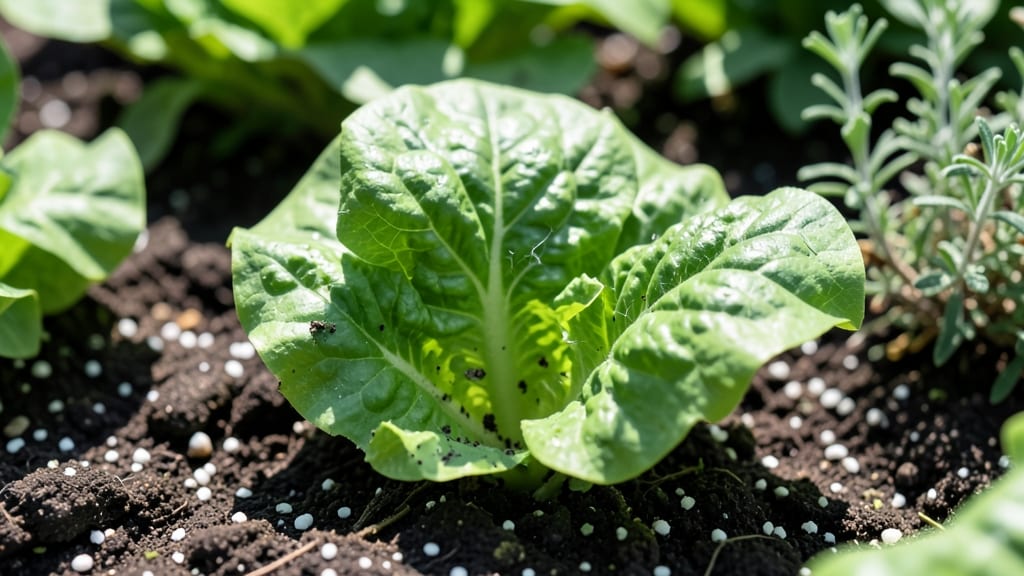
My slug prevention garden starts with copper tape—because nothing beats a foolproof barrier that works without chemicals. Last summer, I lost an entire row of lettuce to slimy invaders until I wrapped copper strips around my raised beds.
The shock from their tiny bodies sends them packing, and it lasts for seasons with zero maintenance.
Companion planting is the next secret weapon. I interplant garlic and thyme around my tomatoes and peppers—their strong scents confuse slugs while attracting beneficial insects. Even marigolds help, though they’re more about repelling pests overall.
The key? Plant these fragrant allies close enough that slugs won’t risk crossing into your prized veggies.
You’ll notice fewer trails after just a few weeks, and your plants will look thriving instead of skeletonized. The copper stays effective year after year, while the companion plants double as pollinator magnets. No more midnight raids on your salad greens—just a garden that fights back naturally.
This works for vegetable beds, flower borders, and even lawn edges. The only rule? Check your barriers after heavy rain, as slugs get bolder when the ground stays damp. Small adjustments keep them out all season long.
The Hidden Triggers of Slug Attacks
Slugs may seem like harmless, slimy guests in your garden, but they’re actually opportunistic pests that thrive under specific conditions. Understanding why they invade is the first step to keeping them out naturally. Here’s why these unwanted visitors show up—and how to outsmart them.
Slugs are 90% water by weight, so they’re always on the hunt for humidity. Overly moist soil, thick mulch, or standing water creates the perfect slug buffet.
- Why it happens: Slugs need moisture to survive, and they can’t tolerate dry conditions for long. After rain, they emerge in droves to feed and reproduce. - Actionable insight: Avoid overwatering—stick to deep, infrequent watering (early morning is best).
Use gravel or sand in high-risk areas to reduce soil moisture retention.
Slugs are nocturnal and prefer dark, sheltered environments where they can hide during the day. Dense foliage, thick mulch, and leaf litter provide ideal hiding spots.
- Why it happens: Direct sunlight dries them out, so they seek shade. At night, they crawl out to feast on tender plants.
- Actionable insight: Trim back overgrown plants and remove leaf litter. Reflective mulch (like aluminum foil strips) can deter them by creating bright, unwelcome zones.
Slugs love rotting plant material—it’s a free, nutrient-rich meal. Compost heaps, fallen leaves, and even old wood piles attract them like a magnet.
- Why it happens: Decomposing matter provides both food and shelter.
A single slug can lay hundreds of eggs in moist, organic-rich soil. - Actionable insight: Keep compost bins covered with wire mesh and avoid piling organic debris near plants. Copper tape around raised beds can also act as a natural repellent.
Slugs target soft, young growth—think seedlings, succulent leaves, and newly planted herbs. They avoid tough, woody plants but will devour anything delicate.
- Why it happens: Their radula (a file-like tongue) can shred thin leaves effortlessly. Without natural defenses, young plants are easy prey.
- Actionable insight: Use diatomaceous earth around vulnerable plants or surround seedlings with sharp materials (like crushed eggshells) to create a physical barrier.
Slugs thrive in heavy, poorly drained soil because it stays damp longer. Compacted soil also makes it harder for beneficial predators (like ground beetles) to hunt them.
- Why it happens: Waterlogged soil traps slugs, while compacted soil limits natural enemies. Slugs then multiply unchecked.
- Actionable insight: Improve drainage with sand or perlite and aerate soil to encourage predator activity. Encourage earthworms—they help break up compacted soil naturally.
Slugs have few natural enemies, but birds, frogs, ground beetles, and hedgehogs will eat them if given the chance. If these predators are missing, slugs take over.
- Why it happens: Urban gardens often lack biodiversity, leaving slugs with no competition. Pesticides can also kill their predators.
- Actionable insight: Create predator-friendly habitats—add a small pond for frogs, leave leaf litter for beetles, and avoid chemical slug killers.
Slugs are most active in cool, damp seasons—spring and fall—when temperatures are mild but moisture is high.
- Why it happens: Extreme heat or cold forces them into hibernation, but moderate weather is perfect for feeding and breeding.
- Actionable insight: Monitor high-risk seasons and reinforce barriers (like copper tape or gravel) before slugs become a problem.
The good news? Slugs are easy to outsmart once you know their triggers. By controlling moisture, improving drainage, and removing hiding spots, you can make your garden a no-go zone for these slimy invaders—without chemicals. 🚫🐌
Natural Ways to Stop Slugs
Slugs may seem unstoppable, but with the right strategies, you can reclaim your garden without harsh chemicals. Below are practical, nature-friendly solutions tailored to the most common causes of slug infestations—plus prevention tips to keep them away for good.
Slugs thrive in moist, shaded environments. If your garden stays soggy, they’ll stick around like uninvited guests.
How to Dry It Out:
- 🍳 Improve Drainage: Amend heavy clay soil with compost or sand (1 part compost to 3 parts soil) to help water drain faster.
- 👨🍳 Raise Planting Beds: Elevate containers or garden beds slightly to prevent water pooling.
- ⏰ Water Early or Late: Avoid wetting foliage after dark—slugs are nocturnal and will feast on damp leaves overnight.
💡 Pro Tip: Use mulch sparingly—thick layers trap moisture. Opt for straw or pine needles instead of bark chips, which hold water longer.
Slugs can’t climb smooth, rough, or sharp surfaces—so make their path impossible.
🔪 Create a Slug-Proof Border:
- 🥘 Copper Tape: Wrap a 1-inch copper strip around pots or garden edges. The mild electric shock repels slugs (and snails!).
- 🌡️ Diatomaceous Earth (Food-Grade): Sprinkle a thin layer around plants. It dehydrates slugs but is safe for pets once settled.
- ✨ Crushed Eggshells or Gravel: Scatter sharp-edged materials (like eggshells or pebbles) in a 2-inch band—slugs avoid crawling over them.
🎯 Prevention Hack: Refresh barriers weekly, especially after rain, to maintain effectiveness.
Slugs are most active at night, so outsmart them with traps and distractions.
🍺 Beer Traps (Yes, Really!):
- Bury a shallow container (like a yogurt cup) filled with beer. Slugs crawl in, drown, and you avoid the mess.
- ⚠️ Warning: Check traps daily—they work fast, but you don’t want them overflowing.
🌿 Decoy Plants:
- Plant slug magnets like lettuce or marigolds away from your prized veggies. Slugs will feast there instead!
🕵️♂️ Manual Patrol (Best for Small Gardens):
- 🌙 Shine a Flashlight at night and pick off slugs with gloves. Drop them in soapy water (humane and effective).
Let nature do the work! Attract slug-eating allies to your garden.
🐸 Friendly Critters to Welcome:
- 🐌 Frogs & Toads: Install a small pond or shallow dish of water—they’ll snack on slugs all day.
- 🦋 Ground Beetles & Centipedes: Leave leaf litter or mulch in sunny spots—they hunt slugs at night.
- 🐦 Birds: Hang a bird feeder near your garden. Robins and thrushes love slugs for breakfast!
💡 Pro Tip: Avoid pesticides—even "organic" sprays can harm these helpful predators.
Not all plants are slug buffets. Smart planting reduces temptation.
🥗 Slug-Repelling Plants to Plant:
| Plant Type | Slug-Resistant Picks | Why It Works |
|---|---|---|
| Vegetables | Rosemary, thyme, chives, artichokes | Strong scent deters slugs |
| Flowers | Lavender, geraniums, snapdragons | Tough leaves or aromatic oils |
| Herbs | Sage, oregano, basil | Slugs avoid their strong fragrance |
✨ Prevention Tip: Space plants 3–4 inches apart—crowded gardens create humid hideouts for slugs.
Final Reminder: Combine 2–3 methods for the best results. Slugs are persistent, but with barriers, predators, and smart gardening, you’ll keep them out—naturally!
Frequently asked questions
What’s the most effective natural slug barrier for raised garden beds?
Copper tape is the gold standard for raised beds—it creates a mild electric shock when slugs touch it, sending them packing instantly. For a budget-friendly option, try crushed eggshells or sharp gravel along the bed edges. Both create physical barriers slugs avoid.
Can I use coffee grounds to repel slugs?
Yes! Sprinkle used coffee grounds around plants—the caffeine and acidity deter slugs while adding nutrients to soil. Just refresh them weekly, as they break down quickly. Avoid overapplying, as too much can acidify the soil over time.
How do I keep slugs out of my vegetable garden without chemicals?
Combine three methods: wrap copper tape around beds, plant slug-repelling herbs (like thyme or rosemary) nearby, and create a 2-inch gravel border. This multi-layered approach works best—slugs get confused by the scent, shocked by copper, and deterred by rough textures.
Will beer traps actually work, and how often should I check them?
Beer traps are surprisingly effective—slugs are attracted to the yeast and drown in the liquid. Check traps daily, especially after rain, as they’ll fill up fast. Bury the container slightly so slugs can’t climb out, and refresh the beer every 2-3 days for best results.
Are there any plants slugs completely avoid?
Slugs typically steer clear of strongly aromatic plants like lavender, sage, and marigolds, as well as tough-leaved varieties such as artichokes and rosemary. However, no plant is 100% slug-proof—always pair these with physical barriers for maximum protection.