Companion Plants
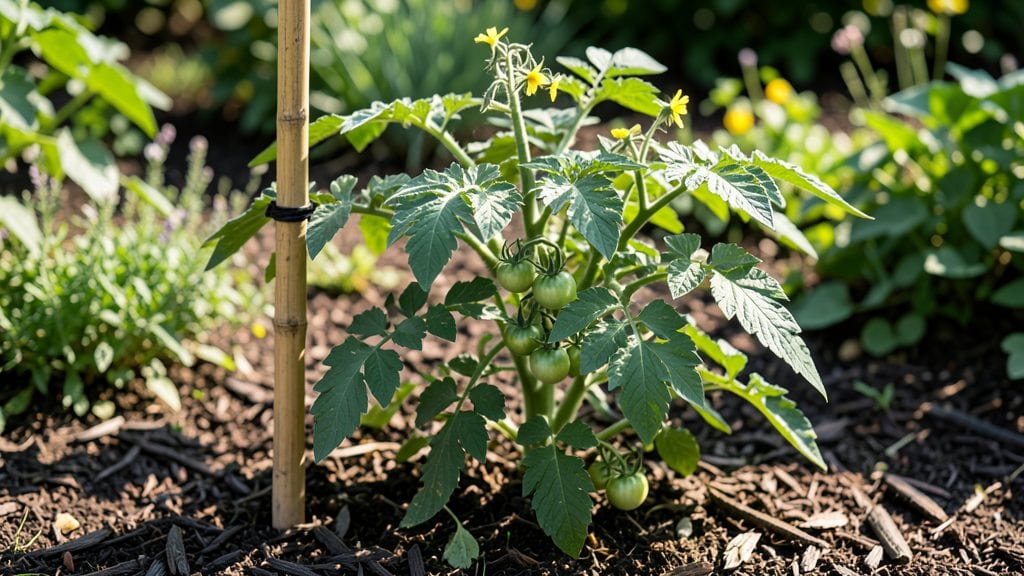
Growing tomato plants in a square foot garden turns a 1-foot-by-1-foot patch into a high-yield powerhouse—something I never thought possible when I started with just four plants in my tiny urban yard.
The secret lies in stacking plants vertically and packing them tightly, but not too tightly, so they don’t choke each other.
My first attempt with cherry tomatoes produced enough for salsa jars that lasted through winter, and now I’m obsessed with how much more efficient this method is than traditional rows.
You’ll need four tomato plants per square foot (yes, really), a sturdy trellis or cage to keep them upright, and a soil mix rich in compost to feed those hungry roots.
The key is pruning suckers regularly—those little shoots between the stem and branches—and tying vines to supports as they grow. It takes about 30 minutes a week once you get the rhythm, and the payoff is tomatoes that ripen faster and produce longer than in-ground plants.
Companion planting makes all the difference here. Basil tucked between plants deters pests, while marigolds at the edges keep nematodes away. Watering gets tricky—stick to deep soaks every other day rather than light sprinkles—but the plants reward you with glossy leaves and clusters of fruit.
By midsummer, your square foot will look like a jungle, but in the best way: lush, productive, and begging to be harvested.
This method works for determinate (bush) tomatoes just as well as indeterminate (vining) varieties, though you’ll need to prune the latter more aggressively. Even in small spaces, you can grow enough for fresh salads, sauces, or sharing with neighbors.
The only real challenge? Resisting the urge to harvest too soon—patience here means bigger, sweeter tomatoes later.
📚 In This Guide
- What you need
- Instructions
- Tips and common mistakes
- Wrapping up and next steps
What you need
- ● Square Foot Garden Box: 4’ x 4’ (16 sq ft) wooden frame (or pre-made kit) with 6–12" deep sides.
- ● Quality Soil: 1 cubic yard of Mel’s Mix (50% peat moss, 50% compost) or a square foot gardening blend.
- ● Tomato Plants: 1 plant per square foot (4 plants max per 4’x4’ box). Choose determinate (bush) or indeterminate (vining) varieties.
- ● Compost: 1–2 cups per square foot (mix into soil for nutrients).
- ● Organic Fertilizer: Slow-release tomato fertilizer (e.g., 5-10-10 or fish emulsion).
- ● Mulch: Straw or shredded leaves (2–3 inches) to retain moisture.
- ● Garden Trowel or Spade: For planting and soil prep.
- ● Watering Can or Hose: With a gentle spray nozzle (avoid blasting roots).
- ● Stakes or Cages: 1–2 per plant (6–8 ft tall for indeterminate varieties).
- ● Pruning Shears: For trimming suckers and dead leaves.
- ○ Optional: Soil pH Tester (aim for 6.0–6.8).
- ● Drip Irrigation Kit (for consistent moisture).
- ● Row Cover (to protect from pests early on).
- ● Sunlight: Full sun (6–8+ hours daily)—no shade allowed!
- ● Water Access: Nearby hose or water source.
- ● Knowledge Check: Basic understanding of tomato varieties (e.g., Cherry tomatoes thrive in tight spaces!).
Step-by-Step guide to planting tomato plants in square foot gardening
Here's how to grow four healthy tomato plants in just one square foot of space.
Prepare Your Square Foot Garden Bed
Start by dividing your square foot grid into smaller sections. Since tomatoes need their own space, dedicate one square foot to your four plants. Use the 16-inch grid lines to create four 4-inch squares within that space. Each tomato plant will have its own dedicated area, preventing competition for nutrients and sunlight.
Before planting, loosen the soil in each 4-inch square to a depth of 6 inches. Mix in 2 cups of compost per square to enrich the soil with organic matter. This step ensures your plants have plenty of room to grow roots and access to essential nutrients. I like to use a small hand fork for this task—it makes the job quick and precise.
Plant Tomato Seedlings at the Right Depth
Dig a hole in each 4-inch square that's just deep enough to accommodate the root ball of your tomato seedlings. The top of the root ball should sit 1 inch below the soil surface. This depth helps stabilize the plant and encourages strong root growth right away.
Gently remove each seedling from its container, being careful not to disturb the roots. Place it in the hole and fill the space around the roots with soil, pressing lightly to remove air pockets. Water each plant immediately after planting to help settle the soil and encourage root contact. You'll see the soil absorb the water quickly—this is a good sign your drainage is working well.
Provide Proper Spacing and Support
Once your seedlings are planted, give them a little room to breathe. Since you're working with four plants in one square foot, you'll need to train them vertically. Install a 4-foot tall tomato cage or bamboo stake in the center of each 4-inch square. This support will help your plants grow upward, maximizing your space and keeping fruits off the ground.
I like to use sturdy cages that can handle the weight of heavy tomato varieties. If you're using stakes, tie the main stem loosely to the stake with soft plant ties. As your plants grow, you'll need to adjust these ties to accommodate their increasing height. Watch for the first signs of new growth—this is when you'll know your plants are settling in and ready for the next phase.
Water and Mulch for Consistent Moisture
Water each plant deeply right after planting, then maintain consistent moisture by watering at the base every 2-3 days. You'll know your plants are getting enough water when the top 1-2 inches of soil feel slightly damp. Overwatering can lead to root rot, so it's important to strike the right balance. I like to water in the morning so the plants have plenty of time to dry out during the day.
Spread a 2-inch layer of mulch around each plant, keeping it 2 inches away from the stem. This layer helps retain moisture, suppress weeds, and regulate soil temperature. Use organic mulch like straw or shredded leaves—these materials break down over time, adding nutrients back to the soil. You'll notice fewer weeds popping up and a more even moisture level in your square foot garden.
Monitor Growth and Prune Regularly
As your tomato plants grow, keep an eye out for new leaves and flowers. Prune any suckers—those small shoots that grow in the crotch between the main stem and a branch—when they're about 2 inches long. This encourages your plant to focus its energy on producing fruit rather than unnecessary foliage. I like to prune in the morning when the plants are well-hydrated and the cuts heal more quickly.
Watch for signs of pests or disease, such as yellowing leaves or spots on the fruit. If you notice any issues, address them promptly to prevent them from spreading. Healthy tomato plants in a square foot garden can produce an impressive yield—just give them the care and attention they need. You'll be rewarded with juicy, homegrown tomatoes in no time.
Tips & tricks for square foot gardening tomato plants
A few key strategies will help you get the most from your compact tomato garden while avoiding common pitfalls.
Soil Preparation is Everything: The 6-inch depth of loosened soil in Step 1 is crucial for root development. If your soil is particularly dense, consider adding an extra 1 cup of compost to each square. I've found that amending with worm castings can also boost early growth—just mix them in with the compost. This extra effort pays off when you see vigorous root systems establishing themselves within weeks.
Planting Depth Matters More Than You Think: In Step 2, that 1-inch depth below soil level isn't arbitrary—it helps prevent stem rot while encouraging strong root growth. If you're using larger seedlings, you might need to create deeper holes to accommodate the root ball without burying too much of the stem. Watch for the first true leaves to appear above soil level as your guide.
Support Systems Save Space: The 4-foot tall cages or stakes in Step 3 aren't just decorative—they're essential for vertical growth in such tight quarters. I recommend installing supports immediately after planting so roots can grow around them. For indeterminate varieties, you might need to add extra stakes as plants grow taller, but the initial support creates a framework for their upward journey.
Watering Wisdom Prevents Problems: That 2-3 day watering schedule in Step 4 works best when combined with the mulch layer. The 2-inch mulch acts like a moisture blanket, but check the top 1-2 inches of soil daily during hot weather—you might need to water every 1-2 days instead. Morning watering prevents evening moisture that can attract pests and fungal diseases, which is especially important in crowded square foot gardens.
Pro Tips for Square Foot Gardening Tomato Plants
- A few key strategies will help you get the most from your compact tomato garden while avoiding common pitfalls.
- Soil Preparation is Everything: The 6-inch depth of loosened soil in Step 1 is crucial for root development.
- Planting Depth Matters More Than You Think: In Step 2, that 1-inch depth below soil level isn't arbitrary—it helps prevent stem rot while encouraging strong root growth.
Frequently asked questions
Got questions about growing tomatoes in square foot gardens?
You’re not alone! Here are some of the most common concerns—plus straightforward answers to help you grow like a pro.
How many tomato plants can I fit in a 1-square-foot square?
A single determinate (bush) tomato plant thrives in a 1-square-foot space, while indeterminate (vining) varieties need 4 square feet (or a trellis). For compact varieties like ‘Tiny Tim’ or ‘Patio Princess,’ stick to 1 plant per square. Overcrowding leads to poor airflow, inviting disease—so space them right!
When’s the best time to plant tomatoes in a square foot garden?
Wait until after the last frost when soil temps hit at least 60°F (15°C). For warm climates, plant in early spring (Feb–March); cooler zones may need to start indoors in March–April and transplant in May–June. Use black plastic mulch to warm soil faster if needed!
Can I grow tomatoes in a square foot garden year-round?
Not in most climates! Tomatoes are warm-season crops and need 6–8 hours of sunlight daily. In cold zones, grow them as annuals (spring–fall). In mild winters, try greenhouse setups or container gardening indoors with grow lights. Heirloom varieties like ‘Solar Fire’ tolerate heat better for extended harvests.
Why are my square foot garden tomatoes cracking or splitting?
Cracking usually means uneven watering—soil moisture swings cause fruit to expand too fast. Keep soil consistently moist (1–2 inches deep) but not soggy. Mulch heavily to retain moisture, and avoid late-season heavy watering. Prune suckers to reduce stress, and opt for drought-resistant varieties like ‘Heatmaster’ if cracks are recurrent.
What’s the best companion plant for tomatoes in a square foot garden?
Pair tomatoes with basil, marigolds, or onions to repel pests like aphids and hornworms. Avoid planting near brassicas (cabbage family) or corn, which compete for nutrients. Use vertical companions like pole beans (they fix nitrogen!) or lettuce (shade-sensitive) in adjacent squares. Herbs like thyme also deter pests naturally.
Wrapping up and next steps
Square foot gardening with tomato plants is all about smart space, big rewards—proving that even small gardens can deliver a bountiful harvest! By carefully selecting companion plants, optimizing soil health, and following a few key tips, you’ll turn limited square footage into a thriving tomato powerhouse. 🌱
Ready to grow like a pro? Start by sketching your garden layout, then plant your first seeds or seedlings this season. Every tomato you harvest will taste sweeter knowing you made the most of your space—one square foot at a time! 🍅✨