Shrubs
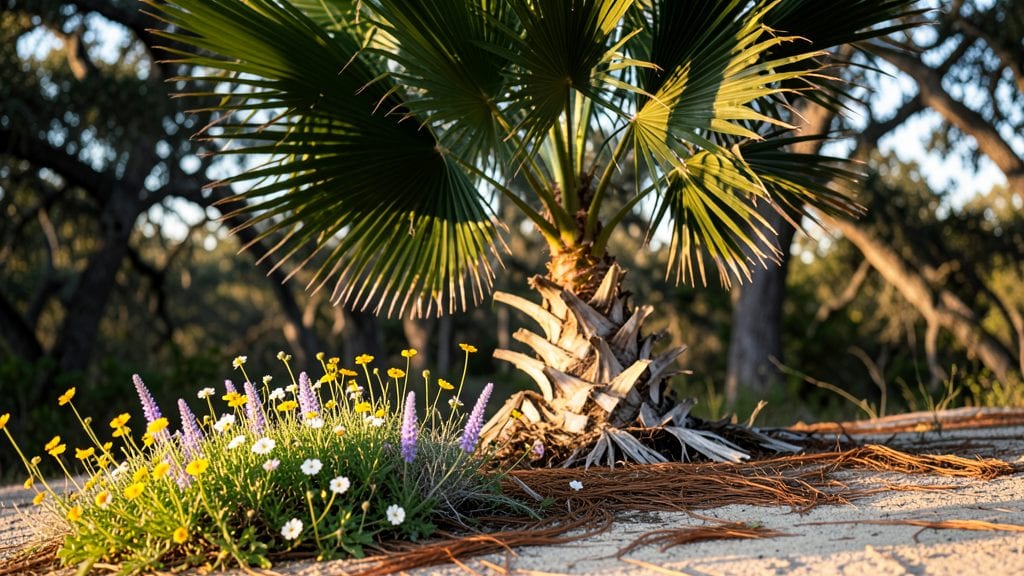
South Florida gardening means choosing plants that laugh at 90-degree afternoons and hurricane-force winds. 🌿 I’ve learned the hard way—most shrubs wilt by mid-July, but these heat-resistant varieties stay lush through every season, even when others give up.
The secret isn’t just picking the right plants; it’s matching them to your microclimate, whether you’re battling Miami’s humidity or inland heat waves.
You’ll need a mix of native toughies like firebush (which blooms year-round) and non-native workhorses like galberia (a drought-proof evergreen). For sandy soil, amend with compost—limestone-rich areas need extra organic matter to prevent nutrient lockout.
Most of these shrubs thrive in full sun, but a little afternoon shade helps in the hottest inland spots. Local nurseries like Fairchild Tropical Botanic Garden’s plant sales stock these heat-proof picks.
By summer’s end, your yard will look like a postcard: firebush bursting with red blooms, galberia’s glossy leaves, and even citrus trees (if you choose greening-resistant varieties). The best part? These shrubs handle floods, salt spray, and the occasional tropical storm without flinching.
You’ll spend less time fixing damage and more time enjoying the shade—and the neighbors will ask for your secrets.
Pro tip: Mulch heavily to keep roots cool, and water deeply but infrequently—most of these plants hate soggy feet. For pest challenges, neem oil tackles citrus greening, while beneficial insects (like ladybugs) handle tropical pests naturally.
Start with just two or three varieties, and let them prove how easy resilient gardening can be in South Florida’s relentless sun.
📚 In This Guide
- What you need
- Instructions
- Tips and common mistakes
- Wrapping up and next steps
What you need
- ● Heat-tolerant shrubs: 3–5 plants per variety (e.g., Firebush (Hamelia patens), Gumbo Limbo (Bursera simaruba), or Coontie Palm (Zamia integrifolia)). Choose 3–6 ft tall, well-rooted specimens.
- ● High-quality potting soil: 2–3 cubic yards of organic, well-draining soil mix (amend with perlite or sand for South Florida’s clay-heavy soil).
- ● Mulch: 1–2 bags of pine bark or wood chips (3–4 inches deep) to retain moisture and regulate temperature.
- ● Drip irrigation system: 50–100 ft of soaker hose or a smart irrigation timer (critical for water conservation in Florida’s heat!).
- ● Hand trowel & pruning shears: Bypass pruners (for clean cuts) and a heavy-duty trowel for planting.
- ● Gloves & knee pads: Garden gloves (nitrile-coated for durability) and knee pads for comfort.
- ● Fertilizer: Slow-release, organic fertilizer (e.g., 10-10-10 or compost tea) for nutrient-rich soil.
- ● Soil pH test kit: To ensure your shrubs thrive (ideal pH: 6.0–7.0 for most Florida natives).
- ● Epsom salt: For magnesium boosts (1 tbsp per plant every 2 months).
- ● Shade cloth: 30–50% coverage for young plants during extreme heat (10’x10’ sections).
- ● Native plant guidebook: For South Florida-specific care tips and shrub pairings.
- ● Solar-powered garden lights: To highlight your new heat-resistant beauties after dark!
Step-by-step guide to selecting and planting heat-resistant shrubs for South Florida
Here’s how to choose and establish sun-loving shrubs that handle Florida’s humidity and heat without breaking a sweat.
🌿 Step 1: Choose the Right Shrubs for Florida’s Climate
Focus on native or tropical-adapted varieties like firebush (Hamelia patens), coontie palm (Zamia integrifolia), or buttonwood (Conocarpus erectus). These thrive in full sun to partial shade, tolerate sandy or slightly acidic soils, and require minimal water once established. Avoid shrubs needing winter dormancy—they’ll struggle in Florida’s mild winters.
Check each plant’s mature height and spread to ensure it fits your space. For example, firebush grows 3-6 feet tall and wide, while buttonwood can reach 15 feet—plan accordingly. I always sketch a rough layout first to avoid overcrowding, which invites pests and disease.
🪴 Step 2: Prepare the Planting Site
Test your soil’s drainage—Florida’s sandy soils drain fast, so amend with 2-3 inches of organic matter (like compost or aged pine bark) to improve moisture retention. Dig holes twice as wide and just as deep as the root ball to encourage root spread. Space shrubs 3-6 feet apart, depending on their mature size.
If planting in a windy area, like near a coast or open yard, add 1-2 inches of mulch (like pine straw or wood chips) around the base to stabilize soil and reduce evaporation. Avoid piling mulch against the stem—keep it 2-3 inches away to prevent rot.
☀️ Step 3: Plant Shrubs for Maximum Heat Tolerance
Remove the plant from its container and loosen the roots gently if they’re circling. Place it in the hole so the top of the root ball sits level with or slightly above the surrounding soil—settling can bury the stem over time. Backfill with native soil mixed with a slow-release fertilizer (like 10-10-10) to support early growth.
Water deeply immediately after planting to eliminate air pockets and encourage root contact with soil. You’ll know it’s done when water drains freely from the bottom of the hole. Mulch again after watering to lock in moisture and regulate soil temperature.
💧 Step 4: Water and Maintain for Long-Term Success
Water newly planted shrubs every 2-3 days for the first 2 weeks, then taper to once a week until they’re established (usually 3-4 months). Florida’s heat demands consistent moisture, but overwatering suffocates roots. Check soil moisture by sticking your finger 1-2 inches deep—water when it feels dry.
Fertilize lightly twice a year (spring and fall) with a balanced, slow-release formula. Prune only to shape or remove dead growth—avoid heavy pruning in summer, as it stresses heat-sensitive shrubs. Watch for signs of stress like yellowing leaves or wilting; these often signal underwatering or fungal issues.
✂️ Step 5: Monitor and Adapt for Florida’s Unique Challenges
Keep an eye out for salt spray (common near coasts) and hurricane damage. Rinse foliage with fresh water monthly if near saltwater to prevent leaf burn. After storms, assess shrubs for broken branches and prune carefully to maintain their natural form.
If pests like scale or mealybugs appear, treat with neem oil or insecticidal soap—Florida’s heat amplifies infestations. Native shrubs rarely need pesticides, but introduced species might. Rotate varieties annually to keep your landscape dynamic and resilient.
Tips & tricks for perfect South Florida shrub planting
Took me a while to figure these out, so here are the key strategies that’ll help your heat-resistant shrubs thrive in South Florida’s challenging climate.
The Shrub Selection Strategy: When choosing between firebush, coontie palm, or buttonwood, consider their mature sizes carefully. Firebush's compact 3-6 foot spread makes it perfect for small spaces, while buttonwood's 15-foot reach works best as a focal point. I always cross-reference nursery tags with my site measurements to avoid overcrowding—this prevents competition for water and nutrients that leads to stress in our heat.
Soil Prep Secret: Florida's sandy soil drains too quickly, so the 2-3 inches of organic matter you add isn't just about nutrients—it's about creating moisture retention pockets. I like to mix in aged pine bark fines specifically because they mimic the natural forest floor conditions these native shrubs evolved with. For windy coastal areas, add that extra 1-2 inches of mulch but remember to keep it 2-3 inches away from stems to prevent rot.
Planting Depth Technique: The most critical step in Step 3 is getting that root ball level with or slightly above soil level. I've seen too many gardeners bury stems too deeply, which leads to suffocation and disease. Use a level or even a piece of string with a weight to check your depth before backfilling. The 10-10-10 fertilizer ratio is perfect for kickstarting growth without overwhelming the plants in our hot climate.
Watering Wisdom: Those first 2 weeks with every 2-3 day watering are crucial for root establishment, but don't rely solely on a schedule. Stick your finger 1-2 inches deep—if it feels dry, water. I've learned the hard way that Florida's afternoon humidity can create a false sense of moisture when the roots are actually thirsty. The once-a-week schedule after establishment helps build drought tolerance, which is exactly what we want for our heat-resistant plants.
Pro Tips for South Florida Gardening
- Took me a while to figure these out, so here are the key strategies that’ll help your heat-resistant shrubs thrive in...
- The Shrub Selection Strategy: When choosing between firebush, coontie palm, or buttonwood, consider their mature size...
- Soil Prep Secret: Florida's sandy soil drains too quickly, so the 2-3 inches of organic matter you add isn't just abo...
Frequently asked questions
Got questions about growing heat-resistant shrubs in South Florida?
You’re not alone! Here are answers to the most common queries from gardeners in our tropical climate.
What are the best low-maintenance shrubs for South Florida’s heat and humidity?
Look for native or drought-tolerant varieties like firebush (Hamelia patens), coontie palm (Zamia integrifolia), or turk’s cap (Malvaviscus arboreus). These thrive with minimal water once established and handle humidity without fuss. Pro tip: Mulch with 2-3 inches of organic material to retain moisture and suppress weeds.
When is the best time to plant heat-resistant shrubs in South Florida?
Plant in early spring (March–April) or late summer (August–September) to avoid extreme heat or cold snaps. Avoid planting during peak summer (June–July) unless you’re using shade cloth or drip irrigation. Young plants need time to root before the dry season hits! Pro tip: Water deeply 2–3 times a week for the first month post-planting.
How often should I water heat-resistant shrubs in South Florida?
Newly planted shrubs need weekly watering (1–1.5 inches per week), but established plants (1+ years old) often thrive on rainfall alone. Monitor soil moisture—stick your finger 2 inches deep; if dry, water deeply. Pro tip: Use drip irrigation or soaker hoses to deliver water directly to roots and reduce evaporation.
What pests should I watch for with heat-resistant shrubs?
Common culprits include scale insects, aphids, and mealybugs on shrubs like firebush, plus palm weevils if you’re growing coontie. Inspect leaves regularly and treat infestations early with neem oil or insecticidal soap. Pro tip: Encourage beneficial insects like ladybugs by planting nearby flowers like lantana or pentas.
Can I grow heat-resistant shrubs in containers in South Florida?
Shrubs like dwarf butterfly bush (Buddleja davidii ‘Nana’) or compact muhly grass (Muhlenbergia capillaris) thrive in containers (15+ gallons). Use well-draining soil, elevate pots for airflow, and water daily in summer (containers dry out faster). Pro tip: Move containers to partial shade during peak afternoon heat (1–4 PM) to prevent stress.
Why are my heat-resistant shrubs turning yellow or brown?
Yellowing leaves often signal overwatering or nutrient deficiency, while brown edges may mean underwatering or salt buildup (common in coastal areas). Check soil moisture and adjust watering. For nutrients, amend soil with compost or use a slow-release fertilizer in spring. Pro tip: If leaves crisp in full sun, provide afternoon shade temporarily.
Wrapping up and next steps
South Florida’s sun-drenched climate doesn’t have to be a challenge for your garden—it’s an opportunity to cultivate stunning, heat-resistant shrubs that bring life and color to your landscape year-round.
From the drought-tolerant beauty of firebush to the versatile charm of coontie palms, these plants prove that thriving greenery is well within reach. 🌿
Now that you’re armed with the best picks, planting tips, and care secrets, it’s time to roll up your sleeves and transform your outdoor space. Start small—plant one or two shrubs this weekend—and watch your garden flourish under South Florida’s warm embrace. Happy gardening! 🌞