Vegetables
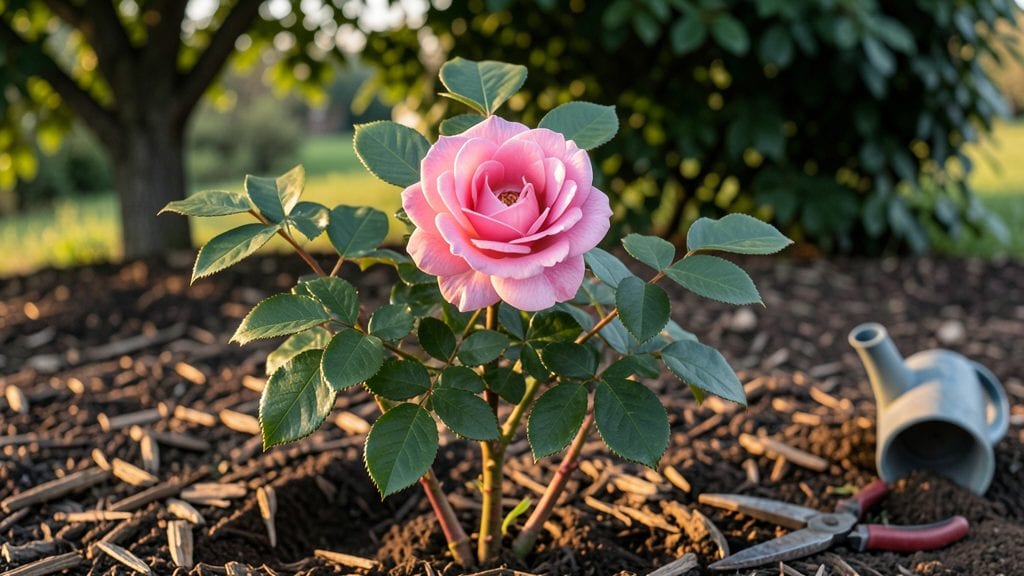
The Rosa Kew Gardens collection turns heads with roses that bloom from spring through frost—something my own garden could never match until I studied their secret. 🌹 These aren’t just flowers; they’re living tapestries of scent and color, carefully layered to create borders that feel like stepping into a British masterpiece.
The key isn’t just the roses—it’s how they’re planted in waves, with early bloomers giving way to late-season varieties so no season feels bare.
What makes Kew’s design work is their mix of old roses (like the velvety 'Souvenir de la Malmaison') alongside modern hybrids that thrive in our climates. They use perennial underplantings—lavender, catmint, and ornamental grasses—to soften the beds and keep interest year-round, even when roses take a break.
The fragrance? A carefully curated symphony—some roses bloom for scent, others for color, and a few for both, all timed to overlap.
You’ll end up with a garden that feels like a secret escape, where every season brings something new—pale pinks in spring, deep crimsons in summer, and golden hips in fall. The best part? You don’t need acres.
Even a 6-foot-wide border can recreate that Kew magic, with roses spaced 2-3 feet apart and perennials filling the gaps. The result? A garden that looks expensive but costs next to nothing to maintain.
Here’s the twist: their success comes from planting in drifts, not rows. Roses planted in odd-numbered groups (threes or fives) look intentional, while perennials are allowed to spill naturally.
It’s less about strict rules and more about creating movement—like a painter’s brushstroke. Ready to steal their look? Let’s break down how to make it happen in your own space.
📚 In This Guide
- What you need
- Instructions
- Tips and common mistakes
- Wrapping up and next steps
What you need
- ● Rosa 'Kew Gardens' (or similar climbers): 3–5 plants (choose disease-resistant varieties like Rosa 'New Dawn' or Rosa 'Blaze' for year-round interest).
- ● Perennial companions: 5–7 Hellebores (for winter blooms & shade tolerance).
- ● 3–5 Lavender bushes (fragrant, drought-tolerant, and pollinator-friendly).
- ● 5 Salvias (e.g., Salvia nemorosa) for height and color.
- ● 3 Heucheras (for foliage contrast, like 'Plum Pudding' or 'Lime Rickey').
- ● Ground cover: 10–15 Ajuga reptans or Creeping Thyme (to suppress weeds and add texture).
- ● Gardening basics: 1 trowel (for planting).
- ● 1 pruning shears (for shaping roses and perennials).
- ● 1 wheelbarrow or bucket (for transporting soil/amendments).
- ● 1 hose with spray nozzle or watering can.
- ● Soil prep: 5–10 lbs of compost (for enriching planting beds).
- ● 2–3 lbs of slow-release fertilizer (e.g., 10-10-10 or rose-specific blend).
- ○ Optional: Mulch (2–3 inches of shredded bark or pine needles to retain moisture).
- ● Support structures: 1–2 trellises or arbors (for climbing roses; 6–8 ft tall).
- ○ Optional: Obelisk or wire cages (for smaller roses).
- ● Fragrant annuals (e.g., Sweet Alyssum or Nicotiana) for seasonal pops of scent.
- ● A drip irrigation system (to automate watering and reduce stress on perennials).
- ● Decorative garden stakes or plant labels (for a polished look).
- ● Seasonal blooms: Add Daffodils or Tulips in early spring for a burst of color.
Step-by-Step guide to designing fragrant perennial borders inspired by Kew Gardens
Here’s how to craft a lush, fragrant perennial border that mirrors Kew’s legendary beauty—layered, seasonal, and irresistibly aromatic.
🌱 Step 1: Plan Your Fragrant Layers for Year-Round Interest
Kew Gardens’ borders thrive on strategic layering—tall, mid-height, and low-growing plants arranged to ensure color and scent from early spring through winter. Start by sketching a 6-foot-wide by 10-foot-long border (adjust proportions for your space). Divide it into three tiers: back, middle, and front. The back layer should feature 6-foot-tall roses like Rosa ‘Gertrude Jekyll’ paired with 5-foot peonies or hydrangeas for structure.
For mid-height, select 3-4 foot perennials like lavender, Russian sage, and salvia—their silvery foliage and summer blooms add texture and fragrance. In the front, use 1-2 foot ground covers such as thyme, creeping rosemary, or dwarf boxwood to anchor the border and release scent when brushed against. I always include at least three fragrant roses—one for spring (Rosa ‘Zephirine Drouhin’), one for summer (Rosa ‘Louis Philippe’), and one for fall (Rosa ‘William Shakespeare’).
☀️ Step 2: Prepare the Soil for Rich, Fragrant Growth
Kew’s borders flourish in well-draining, nutrient-rich soil with a pH of 6.0-7.0. Begin by amending your native soil with 3 inches of compost and 1 inch of coarse sand to improve drainage—roses and many perennials hate soggy roots. Work the amendments into the top 12 inches of soil, ensuring the area is free of weeds and rocks. I swear by a slow-release fertilizer (like 10-10-10) mixed into the soil at planting time to fuel early growth.
For heavy clay soil, consider raising beds by 6 inches to prevent waterlogging. Test your soil’s pH before planting—if it’s too acidic, add dolomitic lime to sweeten it. Mulch the finished bed with 3 inches of wood chips to retain moisture, suppress weeds, and regulate soil temperature. Replenish the mulch annually in spring to keep the border looking pristine.
🌿 Step 3: Plant for Seasonal Scent and Color Transitions
Begin planting in early spring (after the last frost) or early fall to avoid extreme heat stress. Space roses 3-4 feet apart in the back row, allowing room for their canes to spread. Dig holes twice as wide as the root ball but only as deep—planting too deep suffocates the graft union. Water each hole deeply before inserting the plant, then backfill with native soil mixed with a handful of mycorrhizal fungi to boost root health.
Stagger planting dates for perennials: install spring bloomers (like Daphne odora or Philadelphus) first, followed by summer (Lavandula or Nepeta) and fall (Asters or Sedum) varieties. I always plant one extra of each fragrant perennial—this ensures gaps don’t form when some plants inevitably flop. Water deeply after planting, then apply 2 inches of mulch around each plant to protect roots and conserve moisture.
✂️ Step 4: Prune and Maintain for Continuous Blooms
Prune roses three times a year: in late winter (to shape and remove dead wood), after the first flush of blooms (to encourage reblooming), and in early fall (to clean up and prepare for dormancy). Use clean, sharp shears and cut just above an outward-facing bud at a 45-degree angle. For perennials, deadhead spent blooms weekly during the growing season to redirect energy into new flowers. I also trim back overgrown foliage in early spring to stimulate fresh growth.
Fertilize roses monthly from spring to fall with a balanced liquid fertilizer, and perennials twice a year (spring and mid-summer) with a low-nitrogen, high-phosphorus formula to promote blooming. Watch for aphids or black spot—common rose pests—and treat immediately with neem oil or horticultural soap. A light application of Epsom salt (1 tablespoon per gallon of water) every 6 weeks keeps roses vibrant and fragrant.
💧 Step 5: Water and Feed for Fragrance and Longevity
Water deeply twice a week in the first growing season, then taper to once a week once established. Roses need 1-2 inches of water per week, delivered at the base of the plant—never overhead, as wet foliage invites disease. I set a rain gauge nearby to track moisture levels. For perennials, drip irrigation or soaker hoses work best to deliver water slowly and evenly without disturbing mulch.
In late fall, apply a 4-inch layer of compost around the base of plants and top with 3 inches of mulch to insulate roots over winter. This practice mimics Kew’s meticulous care and ensures your border emerges vibrant and fragrant the following spring. By mid-summer, you’ll have a border that’s bursting with color, scent, and texture—just like the iconic displays at Kew.
Tips & tricks for perfect fragrant perennial borders
Creating a fragrant perennial border inspired by Kew Gardens requires attention to detail that transforms ordinary gardens into sensory masterpieces. Here are the essential insights I've gathered from years of mimicking Kew's legendary displays.
Layering Strategy: The key to Kew's year-round interest lies in their three-tiered approach—back, middle, and front. In Step 1, when planning your 6-foot-wide border, visualize how each plant will contribute to the seasonal progression. I recommend including at least one evergreen shrub like boxwood in the front layer to maintain winter interest when other plants go dormant. This creates a visual anchor that keeps your border looking intentional even in colder months. The 3-4 foot mid-height perennials should be placed slightly forward of the roses to prevent them from being overshadowed.
Soil Preparation Secret: During Step 2, when amending your soil with 3 inches of compost and 1 inch of coarse sand, don't overlook the importance of soil structure. I've found that adding orchard grass mulch (instead of wood chips) in the first year helps break down more quickly, improving soil texture faster. For clay-heavy soils, consider mixing in perlite along with the sand to create even better drainage. The 12-inch deep amendment zone is crucial—it ensures roots have access to both nutrients and moisture without competing with shallow weeds.
Planting Timing: The staggered planting approach in Step 3 is where many gardeners stumble. I've learned that planting spring bloomers 4-6 weeks before the last frost date gives them a head start, while summer and fall varieties can wait until their recommended planting windows. For roses specifically, I always plant them 2 weeks before the spring planting window—this gives their roots time to establish before the main growing season begins. The one extra plant rule I mention is non-negotiable; it accounts for the inevitable mortality rate of young perennials.
Pruning Precision: When pruning roses in Step 4, the 45-degree angle cut above an outward-facing bud is critical for directing new growth away from the center of the plant. I've perfected a technique of making these cuts just as the first light frost threatens—this natural pruning helps shape the plant while protecting it from winter damage. For perennials, I deadhead every 3-4 days during peak bloom rather than weekly, which extends the flowering season by encouraging more buds to open. The 6-week Epsom salt application is particularly important for roses grown in alkaline soils—it helps maintain vibrant foliage and enhances fragrance.
Pro Tips for Rosa Kew Gardens
- Creating a fragrant perennial border inspired by Kew Gardens requires attention to detail that transforms ordinary gardens into sensory masterpieces.
- Layering Strategy: The key to Kew's year-round interest lies in their three-tiered approach—back, middle, and front.
- Soil Preparation Secret: During Step 2, when amending your soil with 3 inches of compost and 1 inch of coarse sand, don't overlook the importance of soil structure.
Frequently asked questions
Planning a visit to Rosa Kew Gardens or dreaming of recreating its stunning perennial borders at home? Here are answers to some of the most common questions—so you can bloom with confidence!
What’s the best time of year to visit Rosa Kew Gardens?
The gardens are magical year-round, but spring (March–May) and fall (September–November) offer peak blooms. Summer (June–August) features lush foliage and evening events, while winter (December–February) showcases holiday displays. Check the official calendar for seasonal highlights!
How much does it cost to enter Rosa Kew Gardens?
Admission is free for general visitors, but special events (like evening tours or workshops) may require tickets (typically $10–$25). Pro tip: Book online in advance for guided tours—some include exclusive garden access!
Can I grow Rosa Kew-inspired borders at home?
Start with hardy perennials like Echinacea, Rudbeckia, and Salvia for year-round color. Use well-draining soil, mulch for moisture, and layer plants by height. Kew’s planting guides break down seasonal combinations—perfect for beginners!
How long does it take for perennial borders to mature?
Most perennials establish in 1–2 years, with full blooms by year 3. Slow-and-steady wins: Plant in spring or early fall, water deeply weekly, and fertilize lightly. Patience pays off with low-maintenance beauty that thrives for decades!
What if my garden doesn’t have ideal conditions?
No stress! Rosa Kew Gardens thrives in partial shade to full sun. For shady spots, try Hosta or Ferns; for dry climates, opt for Lavender or Sedum. Container gardening is another great option—just ensure pots have drainage holes!
Wrapping up and next steps
From the vibrant blooms of Kew Gardens’ iconic roses to the year-round beauty of fragrant perennial borders, you now have the tools to create a stunning, low-maintenance garden that thrives in every season.
Whether you’re a seasoned gardener or just starting, these tips will help you cultivate a space that’s as rewarding as it is beautiful. 🌸
Ready to take the next step? Start by sketching your garden layout, selecting your favorite perennials, and planning your first planting session. With patience and care, your garden will soon become a fragrant, blooming paradise—just like the legendary Rosa Kew Gardens!