
Tools
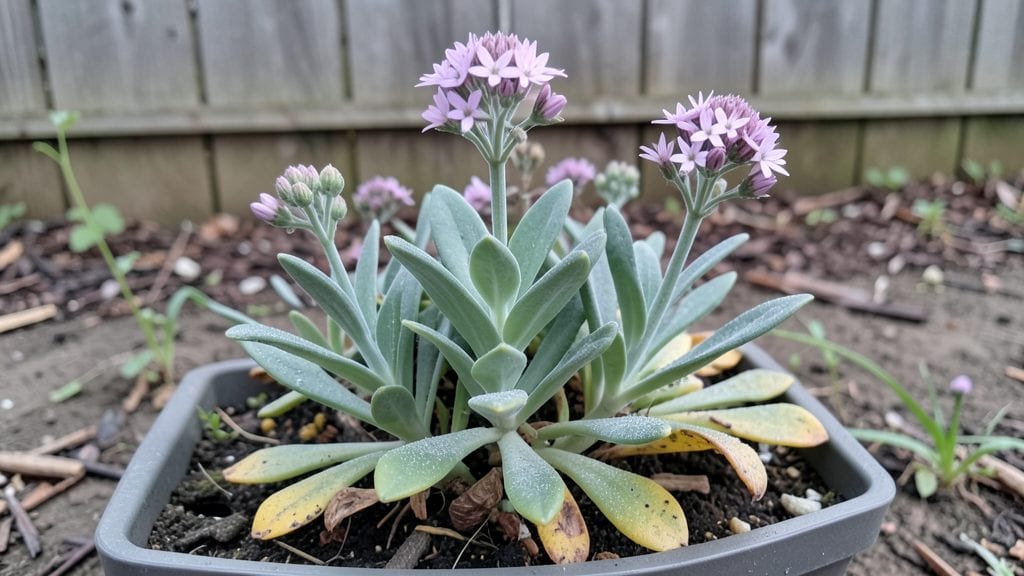
A roof terrace garden creates a lush urban oasis by using shallow planters, hardy plants like sedum and lavender, and smart sun/shade positioning to work within weight limits and wind exposure while maximizing every square inch.
A roof terrace garden transforms limited space into a thriving green area without compromising structural integrity.
Lightweight containers—like fabric grow bags or plastic modular trays—distribute weight evenly, preventing roof stress. 🌿 The key is selecting plants with shallow root systems that thrive in drought conditions, such as ornamental grasses or thyme, which also resist strong winds.
I’ve found that grouping plants by their sun needs (e.g., herbs in full sun, ferns in shade) not only saves space but also reduces watering complexity.
For weight efficiency, prioritize soil depth of 6-8 inches or less and avoid heavy materials like stone mulch. Adding a windbreak—such as a lattice trellis with climbing roses—protects delicate foliage while creating visual interest.
This approach lets you enjoy fresh herbs, edible flowers, or fragrant lavender without overburdening the structure.
💡 In This Article
- Best Low-Maintenance Plants for Roof Gardens
- Designing a Weight-Efficient Roof Garden Layout
Best low-maintenance plants for roof gardens
Succulents like sedum and echeveria dominate roof gardens because their thick, water-storing leaves evolved to survive drought and high winds. These plants have shallow root systems (typically 3-6 inches deep) that perfectly match the limited soil depth of most rooftop containers.
Their ability to photosynthesize efficiently in bright light—even when water is scarce—makes them ideal for urban environments where irrigation systems may be inconsistent. 🔥 The waxy coating on their leaves also reduces water loss through evaporation, a critical adaptation for exposed roof conditions.
Herbs such as thyme, rosemary, and oregano thrive because their woody stems and small leaves minimize wind damage while requiring minimal watering (often just 1 inch per week). Rosemary, for example, has a taproot system that grows downward but spreads horizontally—perfect for shallow containers.
The aromatic oils in these herbs act as natural sunscreens, protecting their foliage from UV damage that's more intense at rooftop elevations. You'll notice their fragrant foliage not only repels pests but also creates a sensory experience that's impossible to replicate with non-aromatic plants.
Ornamental grasses like maiden grass and feather reed grass excel due to their deep but fibrous root systems that anchor plants securely without requiring deep soil. Their upright growth habit (often 2-4 feet tall) maximizes vertical space while their seed heads provide year-round interest.
What's fascinating is how these grasses use C4 photosynthesis, a process that's more efficient in hot, dry conditions than the standard C3 pathway used by most plants. This means they grow faster and require less water—ideal for rooftops where heat absorption is higher than ground level.
Lavender stands out because its silver-gray foliage reflects sunlight, reducing heat absorption by up to 20% compared to dark-leaved plants. The plant's square stems and dense growth naturally deflect wind, while its drought-tolerant roots spread just 12-18 inches wide—perfect for 12-inch diameter containers.
The aromatic oils in lavender also deter insects, creating a self-sustaining ecosystem that requires minimal intervention. When you brush against the flowers, you'll notice the calming scent that's both therapeutic and functional for pest control.
Consider these key factors when selecting plants: root depth (shallow = better for rooftops), water needs (drought-tolerant = less maintenance), and wind tolerance (flexible stems = less damage).
Most rooftop plants fall into one of three categories: ground covers (like creeping thyme), upright growers (like ornamental grasses), or spillers (like trailing rosemary). This categorization helps you visualize how plants will fill vertical space while maintaining structural integrity. 💫
For maximum efficiency, pair plants with complementary water needs. For instance, group sedum (needs water every 2-3 weeks) with lavender (needs water every 3-4 weeks) in the same container.
This creates a microclimate where moisture retention is optimized, reducing overall irrigation needs by up to 40%. The result is a self-sustaining system that requires minimal attention while maximizing visual impact.