
Shrubs
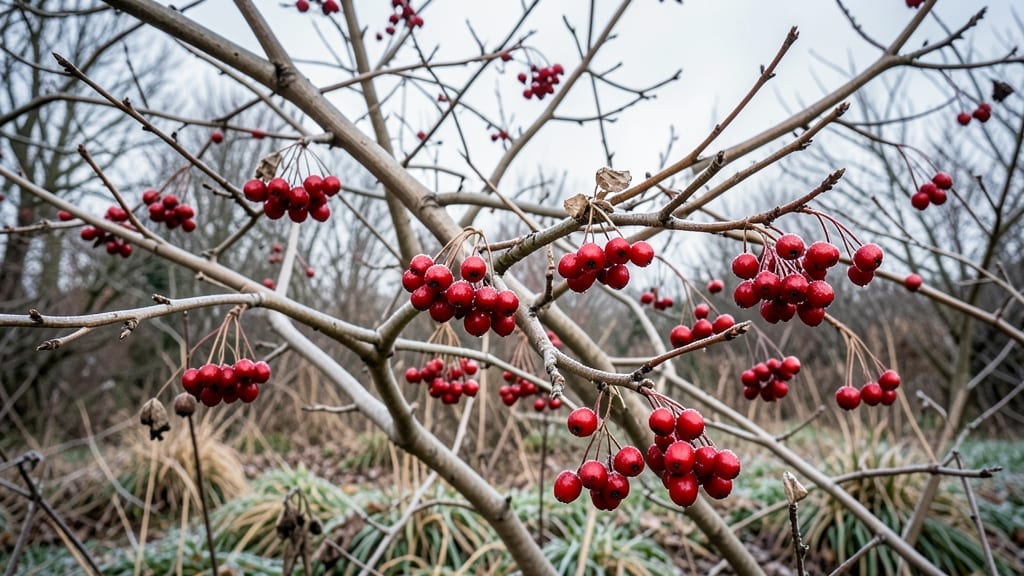
Transform soggy backyard spaces into vibrant ecosystems with these 10 rain garden shrubs. These drought-resistant plants not only handle wet soil beautifully but also attract pollinators and support local wildlife—ideal for sustainable landscaping.
Buttonbush with Fragrant White Blooms
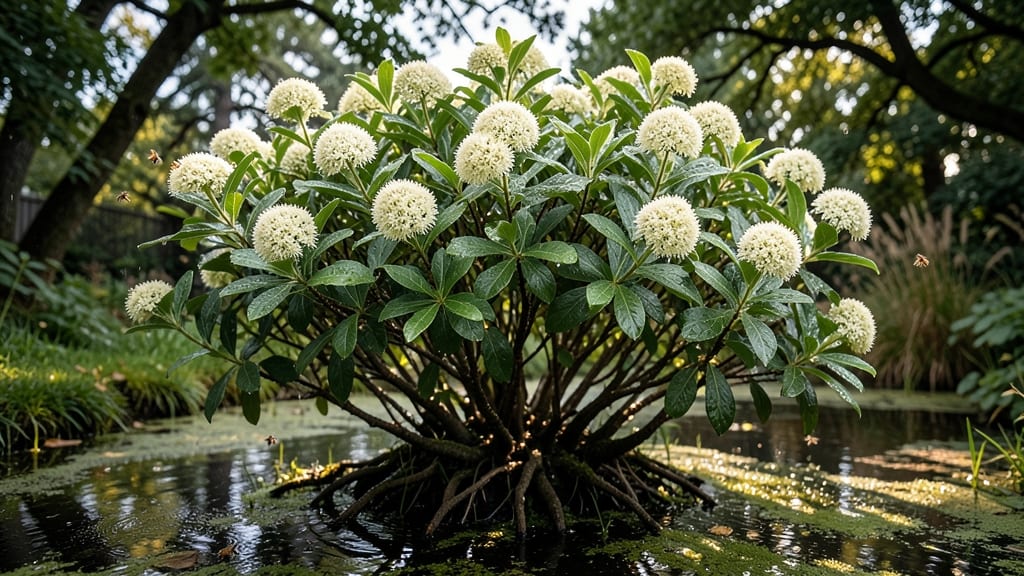
If you’re looking to turn a soggy corner of your yard into a buzzing pollinator paradise, buttonbush (Cephalanthus occidentalis) is your secret weapon. This native shrub thrives in saturated soils and partial shade, making it perfect for rain gardens where other plants would drown.
Its spherical white blooms (bursting with yellow stamens) emerge in summer, creating a fragrant magnet for bees, butterflies, and even hummingbirds. The flowers also produce small, edible berries that birds adore. Plant it along wetland edges or as a privacy screen—it grows 6–12 feet tall with a rounded form, offering both function and beauty.
Ideal for gardeners in USDA zones 5–9, buttonbush is low-maintenance once established and tolerates seasonal flooding. Perfect for those who want to support wildlife while keeping their rain garden lush and fragrant. 🌿
Sweet Pepperbush for Hummingbirds
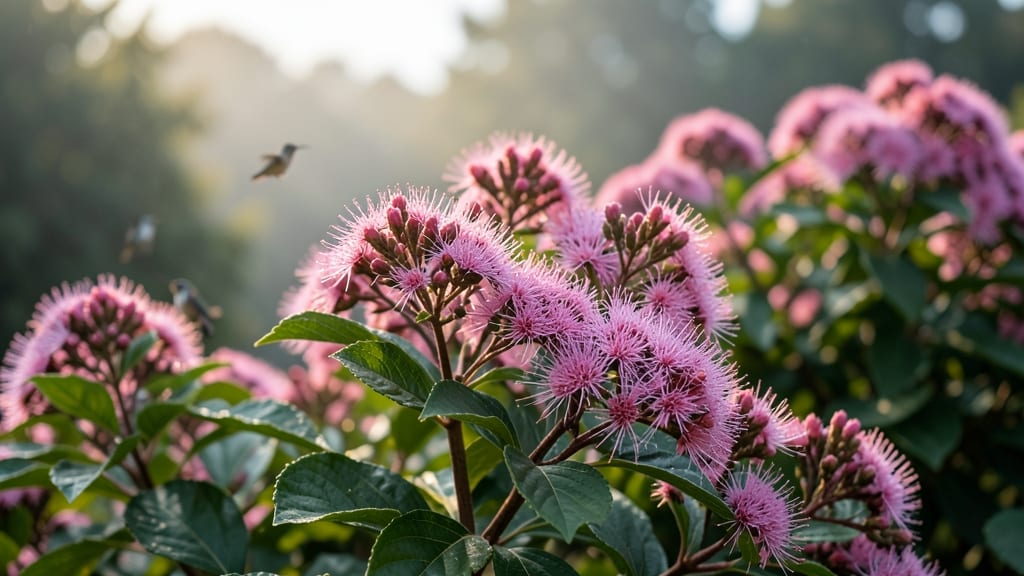
If you want to keep hummingbirds visiting your garden well into autumn, sweet pepperbush (Clethra alnifolia) is your secret weapon. This native shrub bursts into clusters of fragrant, pink flowers in late summer to early fall—just when other pollinator plants are winding down.
Unlike many rain garden shrubs, sweet pepperbush thrives in both wet and dry conditions once established, making it incredibly adaptable. It prefers partial shade to full sun and tolerates a wide range of soil types, including clay or sandy loam. Plant it in cottage garden borders or along rain garden edges for a late-season splash of color that hummingbirds can't resist.
Gardeners in the Northeast and Midwest will love this shrub for its low-maintenance nature and ability to naturalize over time. It’s perfect for those who want beauty, wildlife support, and resilience in one package. 🌻
Swamp Azalea for Acidic Wetlands
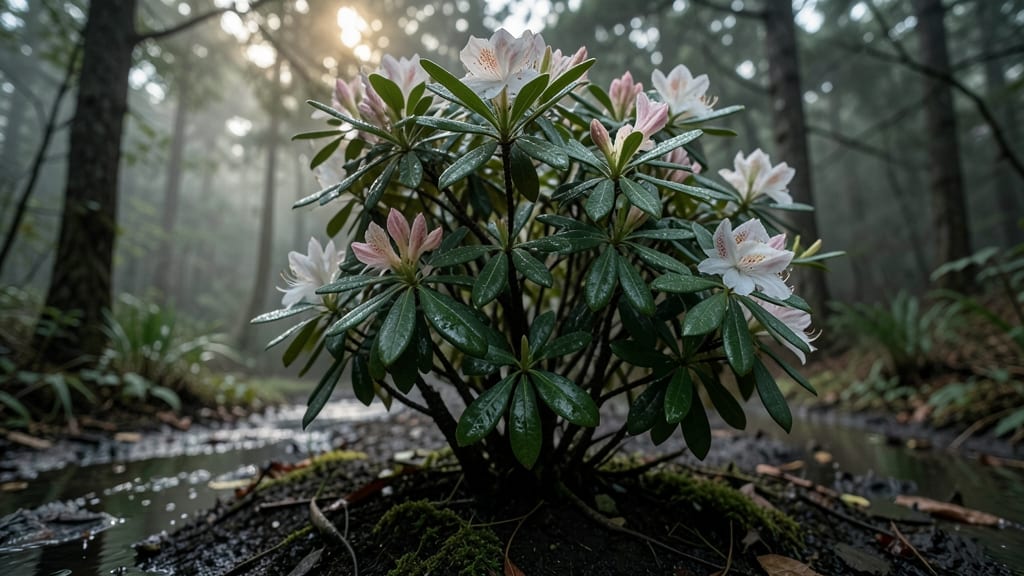
If your rain garden sits in a shady, acidic corner where water pools after heavy rains, swamp azalea is your secret weapon. This underused shrub thrives in conditions that would drown most plants, producing delicate white or pink flowers that bloom in late spring to early summer.
Unlike its more common cousins, swamp azalea prefers waterlogged, acidic soils with 3-6 hours of morning sun—ideal for woodland edges or low-lying areas. Its glossy, evergreen leaves stay lush year-round, and its deer-resistant nature makes it a hassle-free choice for rural or suburban landscapes. Prune lightly after flowering to maintain its natural shape.
Perfect for gardeners who want elegance without effort, swamp azalea adds a touch of woodland charm while handling the toughest wetland conditions. 🌿
Highbush Blueberry for Edible Landscapes
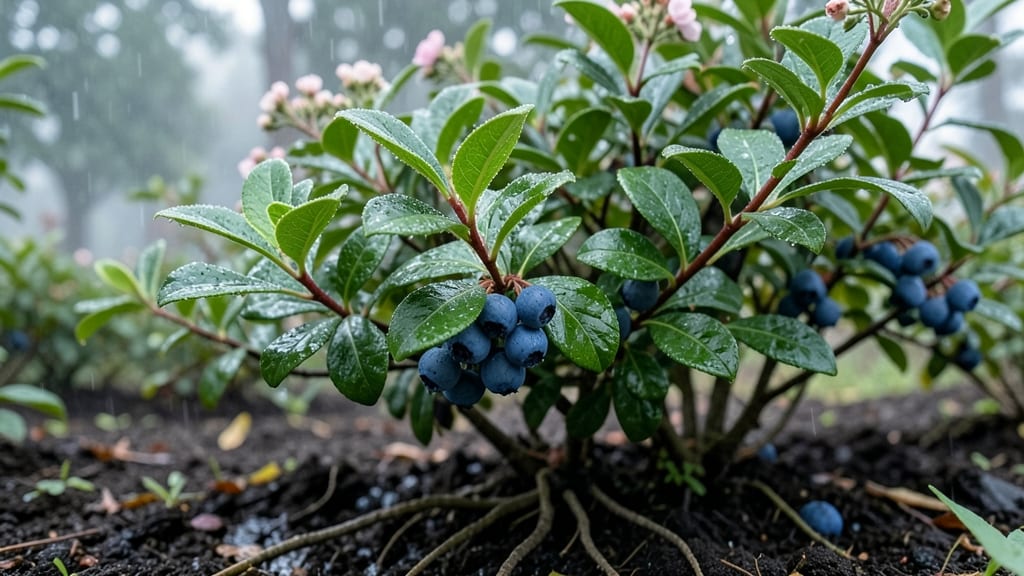
Want a shrub that gives you both edible blueberries and wet-soil resilience? The highbush blueberry delivers on both fronts, making it a standout for food forests or rain gardens where acidic soils thrive.
This multi-season performer produces sweet, antioxidant-rich berries from mid-summer to fall while tolerating saturated soils—even standing in water for short periods. Plant in full sun to partial shade and amend soil with peat moss or sulfur to maintain pH below 5.5. Dwarf varieties like 'Top Hat' fit smaller spaces, while standard types reach 6-10 feet tall.
Perfect for homesteaders or urban gardeners with acidic soil, this shrub turns soggy patches into productive landscapes while supporting pollinators and birds. 🌻
Inkberry Holly for Year-Round Structure
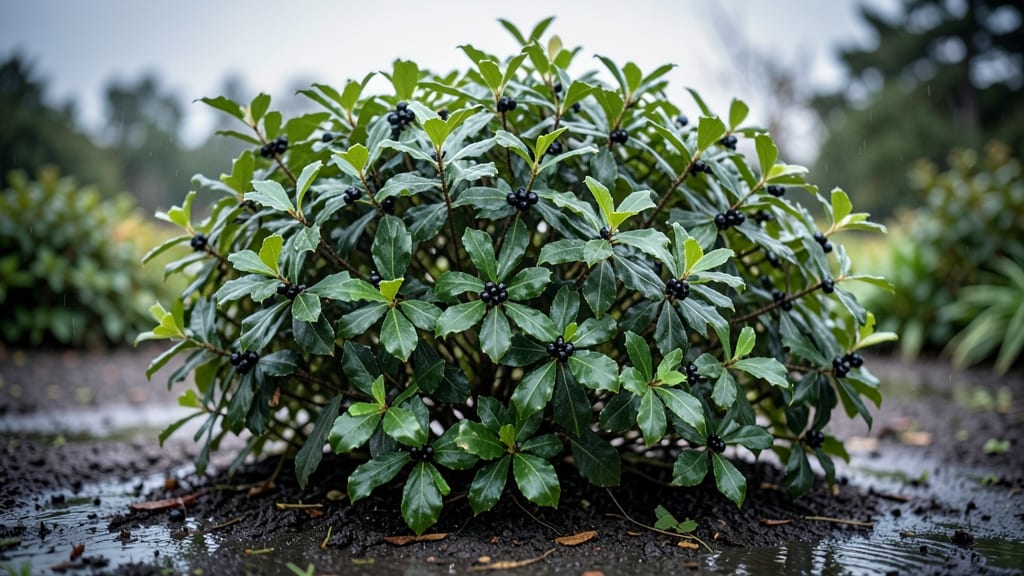
When you need a year-round foundation planting that never loses its charm, inkberry holly (Ilex glabra) delivers with its evergreen foliage and striking black berries. Unlike other rain garden shrubs that fade in winter, this native beauty thrives in soggy soils while adding structure to your landscape—even in urban areas where pollution might stress other plants.
This low-maintenance shrub handles saturated soils and urban pollution with ease, making it ideal for rain gardens near roads or parking areas. Prune it lightly in late winter to encourage dense growth, and watch as its glossy dark leaves contrast beautifully with snow or neighboring plants. The berries provide food for birds year-round, adding another layer of ecological value.
Perfect for hedges, foundation plantings, or rain garden borders, inkberry holly is especially valuable for gardeners who want winter interest without the upkeep of deciduous shrubs. It’s also deer-resistant, making it a smart choice for rural or suburban landscapes alike. 🌿
Spicebush with Golden Fall Foliage
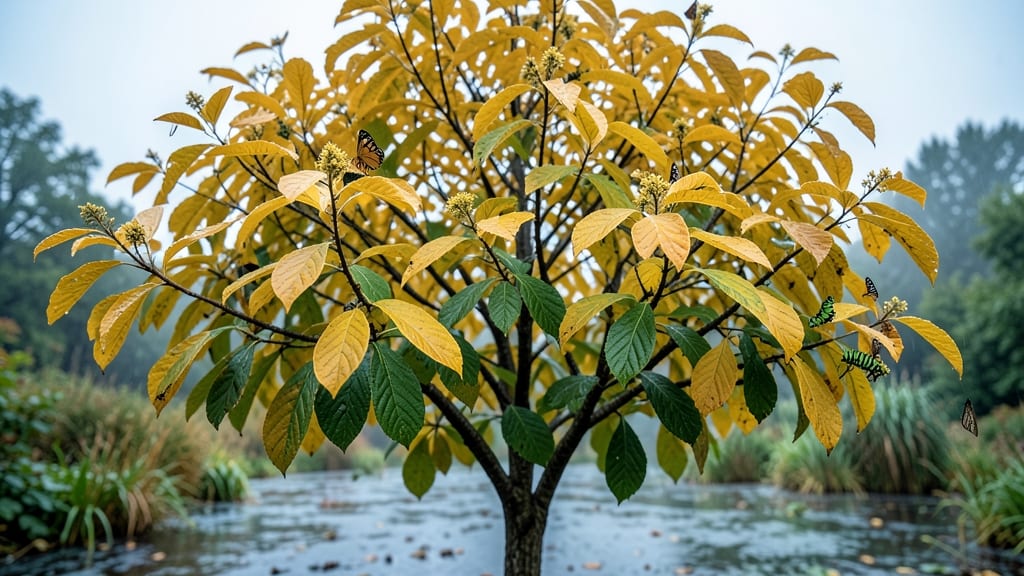
Want a shrub that doubles as a butterfly magnet and a fall foliage showstopper? Spicebush delivers both with its golden-yellow autumn leaves and host status for the rare spicebush swallowtail caterpillar, a butterfly species that’s hard to attract. Unlike many rain garden shrubs, it thrives in partial shade and even wet soils, making it perfect for understory planting where others might struggle.
The shrub’s fragrant yellow flowers in spring feed pollinators, while its red berries provide winter food for birds. Prune lightly in late winter to encourage bushier growth, and watch as the foliage transforms into a sunset-like glow by October. Native to eastern North America, it’s a low-maintenance workhorse for woodland gardens or rain garden edges.
If you love seasonal color without high upkeep, spicebush is your plant—it’s the secret weapon for gardeners who want wildlife value and drama in one package. 🌟
Witch Hazel for Late Winter Blooms
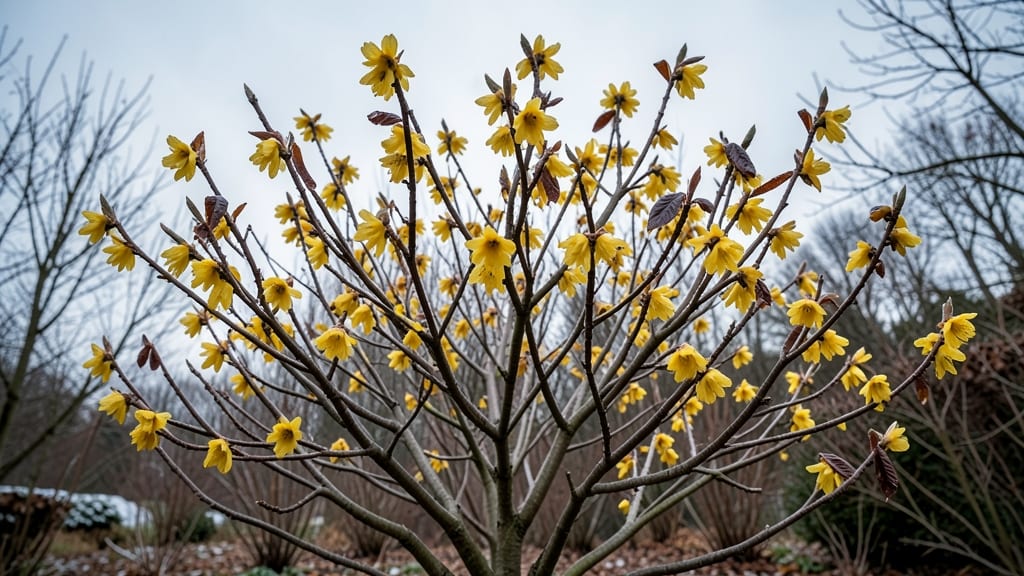
When the rest of your garden looks dormant in late winter, witch hazel (Hamamelis spp.) bursts into cheerful golden-yellow blooms, offering a rare splash of color and life. Unlike most shrubs that wait for spring, this native beauty blooms from December through March, making it a standout performer in rain gardens where few other plants compete.
Witch hazel thrives in moist to wet soils, including clay-heavy or poorly drained areas, and tolerates full sun to partial shade. Its arching branches create natural structure, while the fragrant flowers attract early pollinators like bees and butterflies when food is scarce. Prune lightly after flowering to maintain shape, but avoid heavy cuts—this shrub’s textured bark and winter interest make it a year-round asset.
Perfect for gardeners who want low-maintenance beauty without sacrificing ecological value, witch hazel adds drama to rain garden borders, woodland edges, or even container plantings. Its resilience and early blooms make it a must-have for winter gardeners. ✨
Bayberry for Coastal Rain Gardens
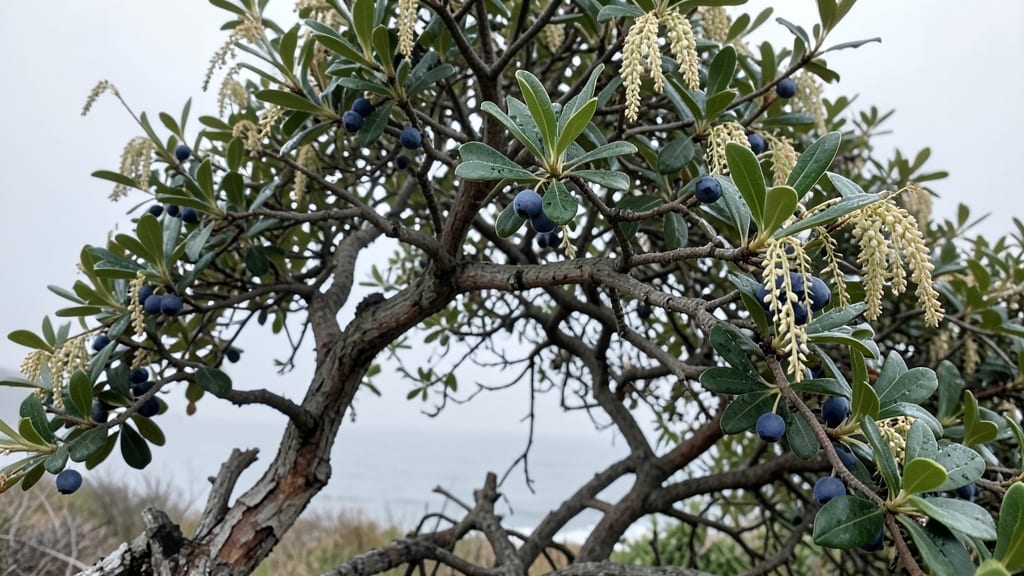
If you live near the coast or struggle with high humidity, bayberry is the salt-tolerant shrub you’ve been searching for. Its fragrant white flowers and striking blue berries thrive where other plants wilt, making it a standout for coastal rain gardens or damp, windy landscapes.
This native shrub handles soggy soils, salt spray, and even occasional flooding while adding texture with its waxy, aromatic leaves. Plant it in full sun to partial shade for best results—it’s low-maintenance once established, needing only occasional pruning to shape its rounded form. The berries also provide food for birds, adding another layer of ecological benefit.
Perfect for gardeners in coastal regions or humid climates, bayberry brings both beauty and resilience to rain gardens, mixed borders, or even as a privacy screen near shorelines. 🌟
Ninebark for Versatile Color Options
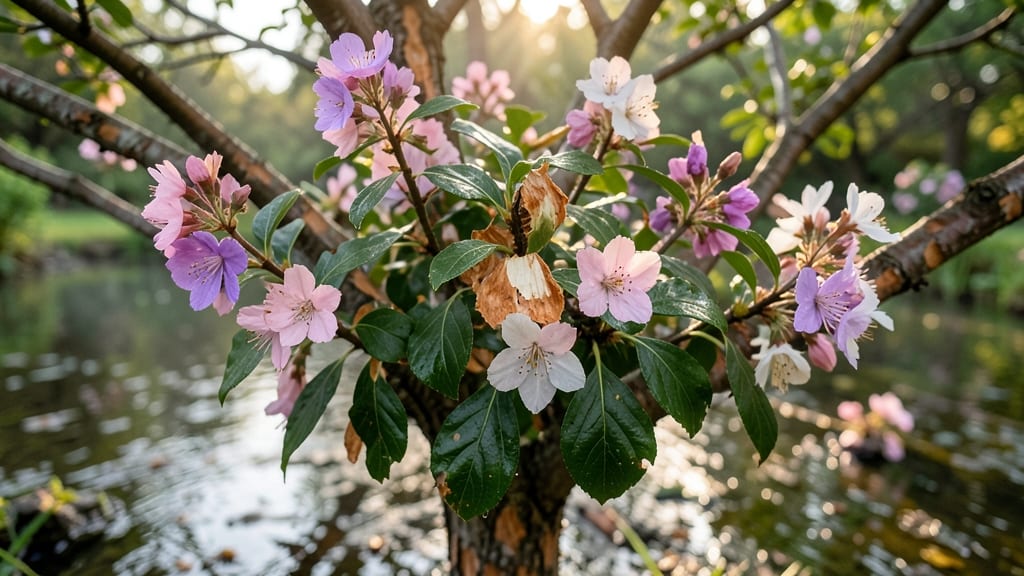
Looking for a shrub that brings color variety to your rain garden without the fuss? Ninebark delivers with pink, purple, or white flowers, plus striking peeling bark that adds texture year-round—no other shrub offers this much visual punch in one package.
This adaptable shrub thrives in wet soils and even tolerates urban conditions, making it perfect for city rain gardens or polluted areas. Its low-maintenance nature means you’ll spend less time pruning and more time enjoying its long-lasting blooms and wildlife-friendly appeal—bees and butterflies adore its flowers. Simply plant in full sun to partial shade and watch it flourish with minimal effort.
Busy gardeners and urban planners will love ninebark’s versatility—it’s equally at home in mixed borders or as a standalone specimen. Add it to your rain garden for color, texture, and resilience that keeps giving. 🌻
Winterberry Holly for Striking Red Berries

If you crave a winter wonderland without the snow, winterberry holly delivers with its vibrant red berries that last from late fall through winter. Unlike evergreen hollies, this deciduous variety drops its leaves but keeps its berries—creating a bold focal point when most gardens are dormant.
This pollinator magnet thrives in wet, even soggy soils, making it ideal for rain gardens. Plant it in full sun to partial shade, and watch as birds feast on the berries while bees visit its small, inconspicuous spring flowers. For best results, plant male and female shrubs—only females produce berries, but you’ll need at least one male for pollination.
Perfect for gardeners who want year-round interest with minimal effort, winterberry holly adds a pop of color to winter landscapes while supporting wildlife. 🌻