
Landscaping
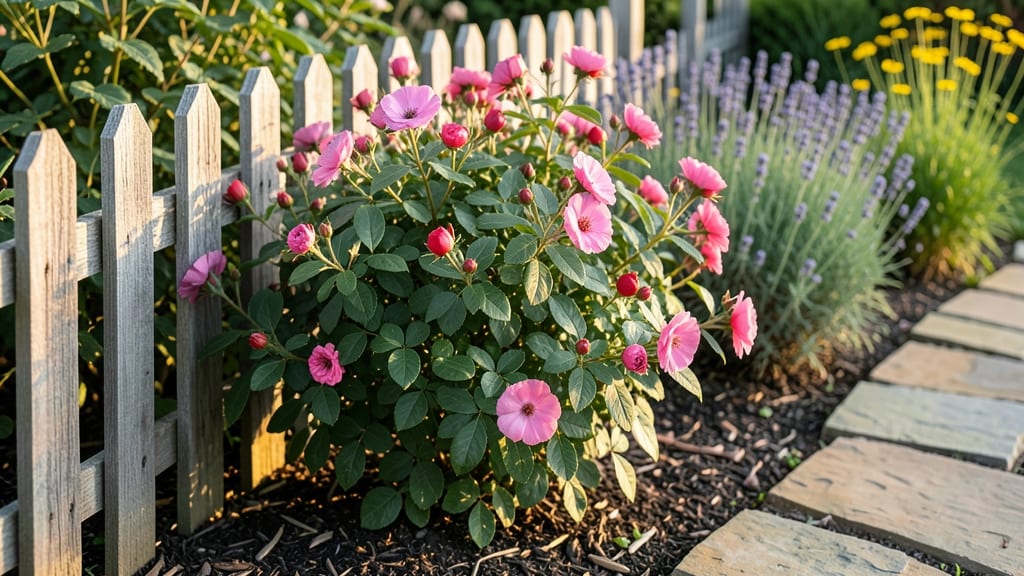
My cottage garden landscaping started with a single, rambling peony bush that refused to stay in its designated spot—turns out, that was the first lesson in embracing the wild, romantic chaos. 🌿 The real magic happens when you layer plants like an artist mixing colors, letting everything spill over just enough to feel alive but never manicured.
This isn’t about rigid rows; it’s about creating a scene that looks like it’s been growing for decades, even if you’re just starting.
The secret lies in mixing textures and heights—tall delphiniums behind roses, lavender spilling over stone edges, and herbs tucked into corners where bees can’t resist. I’ve found that three simple rules—plant in odd numbers, repeat favorite blooms, and leave room for volunteers—transform a garden from ordinary to utterly charming.
Even a small space can work if you focus on vertical elements like trellises or arbors, where climbing roses and clematis weave their own stories.
What you’ll end up with is a garden that feels like a hug—soft petals brushing your knees, the scent of old roses lingering in the air, and pollinators buzzing from flower to flower as if they own the place.
The best part? It’s forgiving. A few weeds here, a stray bloom there—it’s all part of the charm. By the time summer arrives, your garden won’t just look beautiful; it’ll feel like home.
Works for any yard size, from a postage-stamp urban plot to a sprawling countryside garden. The key is starting small—maybe a single border or a corner—and letting the romance grow organically. Here’s how to begin without overthinking it.
📚 In This Guide
- What you need
- Instructions
- Tips and common mistakes
- Wrapping up and next steps
What you need
- ● Topsoil or compost: 10–20 cubic yards (depending on garden size). Aim for nutrient-rich, well-draining soil—think organic matter like leaf mold or aged compost.
- ● Mulch: 2–3 bags of shredded bark, straw, or wood chips (avoid dyed mulch—pollinators prefer natural hues!).
- ● Garden borders: Bricks, stones, or rustic wood (e.g., cedar or redwood) for paths or edging.
- ○ Optional: Wrought-iron or blacksmith-style accents for vintage flair.
- ● Perennials & annuals: Mix of pollinator-friendly plants like lavender, peonies, foxgloves, hollyhocks, and cosmos. Aim for 3–5 varieties per bed for layered texture.
- ● Climbing plants: Roses (e.g., David Austin English roses), clematis, or honeysuckle for vertical charm.
- ● Trellises/arbors: 1–2 wooden or metal structures (4–6 ft tall) for vines and focal points.
- ● Ornamental elements: Terracotta pots (mix of sizes for eclectic appeal).
- ● Vintage-style birdbaths, wind chimes, or weathered signs.
- ○ Optional: Butterfly houses or bee hotels for extra pollinator love! 🐝
- ● Basic tools: Trowel, hand fork, pruners (bypass pruners for clean cuts).
- ● Garden gloves (waterproof or breathable).
- ● Wheelbarrow (for hauling soil/mulch).
- ● Measuring & layout: Measuring tape, stakes, and string for designing winding paths.
- ● Spade or edging tool for crisp borders.
- ○ Optional (but fun!): String trimmer (for shaping grassy areas).
- ● Paintbrushes (for distressing pots or signs).
- ● Site prep: Clear weeds/grass (use vinegar spray for eco-friendly removal).
- ● Test soil pH (aim for 6.0–7.0; adjust with lime or sulfur if needed).
- ● Design inspiration: Sketch a rough layout—cottage gardens thrive on asymmetry!
- ● Plan for 3 layers: tall (back), medium (mid), and low (front) plants.
- ● Pollinator-friendly tip: 💡 Plant native wildflowers (e.g., black-eyed Susans) to attract bees and butterflies year-round.
- ● Budget hack: 🌡️ Raid thrift stores for vintage pots, gates, or garden art—they add character for pennies!
Step-by-Step instructions for creating a cottage garden layout
Here's how to layer your garden for that classic, romantic look—think winding paths, mixed heights, and flowers that spill over like a vintage painting.
🌿 Step 1: Plan Your Planting Layers
Cottage gardens thrive on layers, so start by sketching three distinct zones: tall backdrops (6-8 feet), mid-height accents (3-5 feet), and spilling ground covers (under 2 feet). I like to place perennials and shrubs at the back for structure, then fill gaps with annuals for color bursts. For example, a hydrangea or lilac makes a stunning backdrop, while roses or peonies anchor the middle layer.
Leave 18-24 inches of space between plants to mimic natural growth. Overcrowding leads to competition for sunlight and water, which weakens stems and flowers. Think "full but not packed"—like an overflowing basket, not a tight bouquet.
🪴 Step 2: Prepare the Soil and Plant Foundations
Loosen the soil to a depth of 12 inches with a garden fork, breaking up any compacted layers. Mix in 2-3 inches of compost to enrich the soil naturally—this is where roots will thrive. I avoid synthetic fertilizers here because cottage gardens rely on organic richness for that lush, old-world feel.
For each plant, dig a hole twice as wide as the root ball but only as deep. Place the plant so the top of the root ball sits just below soil level—burying the stem too deep suffocates it, while planting too high leaves it exposed. Gently firm the soil around the roots and water deeply to settle everything in.
☀️ Step 3: Add Pathways and Edging for Structure
Winding paths are the heart of cottage gardens, so use stepping stones, gravel, or flagstone to create meandering routes. Space stones 12-18 inches apart for easy walking, and leave 18-inch-wide strips of soil between paths for planting. A simple wooden or metal edging keeps borders neat without looking rigid.
Here's the thing—paths should feel organic, not geometric. I like to curve them slightly where they meet plants, as if they were worn by years of strolling. Avoid straight lines unless you're framing a focal point like a bench or arbor.
🌱 Step 4: Fill in With Pollinator-Friendly Plants
Cottage gardens aren’t just pretty—they’re havens for bees and butterflies. Choose native perennials like coneflowers, black-eyed Susans, and lavender, plus annuals such as cosmos and marigolds for continuous blooms. Space them 12-18 inches apart to encourage air circulation, which reduces disease.
Group plants by sun and water needs—for example, place drought-tolerant salvias and sedums near the path where they’re less likely to get overwatered. Watch for butterflies and bees within weeks; their presence means you’ve nailed the ecosystem balance.
✂️ Step 5: Maintain With Seasonal Pruning and Deadheading
Prune late winter or early spring to shape shrubs and remove dead wood. For perennials, cut back one-third of the foliage in early spring to encourage new growth. I always leave a few seed heads over winter—they add texture and feed birds.
Deadhead spent blooms regularly (every 2-3 weeks) to keep flowers coming. This isn’t just about looks—it redirects energy from seed production back into new blooms. You’ll see a second flush of flowers within 4-6 weeks if you stay on top of it.
Tips & tricks for perfect cottage garden landscaping
Creating a cottage garden that feels like a romantic escape takes more than just planting flowers—it's about the details that make it feel alive. Here are my favorite tricks to help you achieve that effortless, overflowing charm.
The Layering Secret: In Step 1, when you're planning your three layers, think vertically as well as horizontally. Place your tallest plants like hydrangeas or lilacs along fences or trellises to create a natural backdrop that draws the eye upward. This vertical layering adds depth and makes your garden feel more three-dimensional, just like a vintage watercolor painting.
Soil Prep That Makes a Difference: For Step 2, don't just loosen the soil to 12 inches—go deeper if your soil feels particularly compacted. I like to add a handful of coarse sand to the compost mix for clay-heavy soils, which improves drainage without compromising that organic richness. This extra step prevents waterlogging and gives your plants' roots room to spread naturally.
Pathway Placement Matters: When adding your winding paths in Step 3, consider placing them along the edges of your planting zones rather than through the center. This creates natural "rooms" in your garden where different plant layers can shine. The 18-inch-wide strips of soil between paths give you perfect spots for ground covers like creeping thyme or ajuga, which spill beautifully over the edges.
Pollinator Magnet Plants: In Step 4, while you're selecting your native perennials, look for varieties with different bloom times. I like to mix early bloomers like lungwort with mid-season cosmos and late-season asters. This ensures your garden stays vibrant and buzzing with pollinators from spring through fall. The 12-18 inch spacing you use also creates perfect landing spots for bees between flowers.
Pro Tips for Cottage Garden Landscaping
- Creating a cottage garden that feels like a romantic escape takes more than just planting flowers—it's about the details that make it feel alive.
- The Layering Secret: In Step 1, when you're planning your three layers, think vertically as well as horizontally.
- Soil Prep That Makes a Difference: For Step 2, don't just loosen the soil to 12 inches—go deeper if your soil feels particularly compacted.
Frequently asked questions
Got questions about creating your dream cottage garden? You’re not alone! Here are some of the most common queries—and their answers—to help you get started with confidence.
What’s the best time of year to plant a cottage garden?
For a lush, romantic look, plant perennials in early spring or fall when soil is workable but not frozen. Annuals thrive when planted after the last frost (usually late spring). Bulbs like daffodils and tulips go in fall for spring blooms. Pro tip: Mulch after planting to retain moisture and suppress weeds!
Can I create a cottage garden on a budget?
Start small with heirloom seeds (cheaper than transplants) or swap cuttings with gardening friends. Use recycled materials like old bricks, pallets, or wine barrels for borders. Native plants and self-seeding annuals (like cosmos or poppies) cut costs while attracting pollinators. Thrift stores are goldmines for vintage pots!
How do I attract more pollinators to my cottage garden?
Plant a diverse mix of nectar-rich flowers like lavender, bee balm, and coneflowers, plus host plants for butterflies (e.g., milkweed for monarchs). Avoid pesticides—opt for companion planting (e.g., marigolds repel pests naturally). Add a shallow water source (a birdbath with rocks) to help bees stay hydrated. Bonus: Let some areas get a little wild!
What if my soil isn’t ideal for a cottage garden?
Cottage gardens are forgiving! Amend clay soil with compost and sand, or use raised beds for sandy soil. Mulch heavily to improve moisture retention. Choose adaptable plants like roses, peonies, or hollyhocks, which thrive in average conditions. Test your soil first—local extension offices often offer free kits to guide your amendments.
How do I maintain a cottage garden without it looking “wild”?
Embrace the chic chaos! Deadhead spent blooms to encourage more flowers, but leave seed heads for winter interest. Prune perennials in early spring (after new growth appears) and cut back annuals in fall. Weed regularly (but don’t stress—mulch helps!). A weekly stroll to tidy and rearrange plants keeps it looking intentional. Remember: Cottage gardens are meant to feel lived-in!
Wrapping up and next steps
Creating a cottage garden is more than just landscaping—it’s an invitation to romance, nostalgia, and nature’s beauty. With layered plants, rustic charm, and a haven for pollinators, your garden can become a serene escape that tells a story.
Whether you’re a seasoned gardener or just starting, the key is to embrace imperfection and let your space evolve naturally.
Ready to bring your vision to life? Start small—pick one corner or bed to transform first, and watch as your cottage garden blossoms into a timeless retreat. 🌸 Happy gardening!