Shrubs
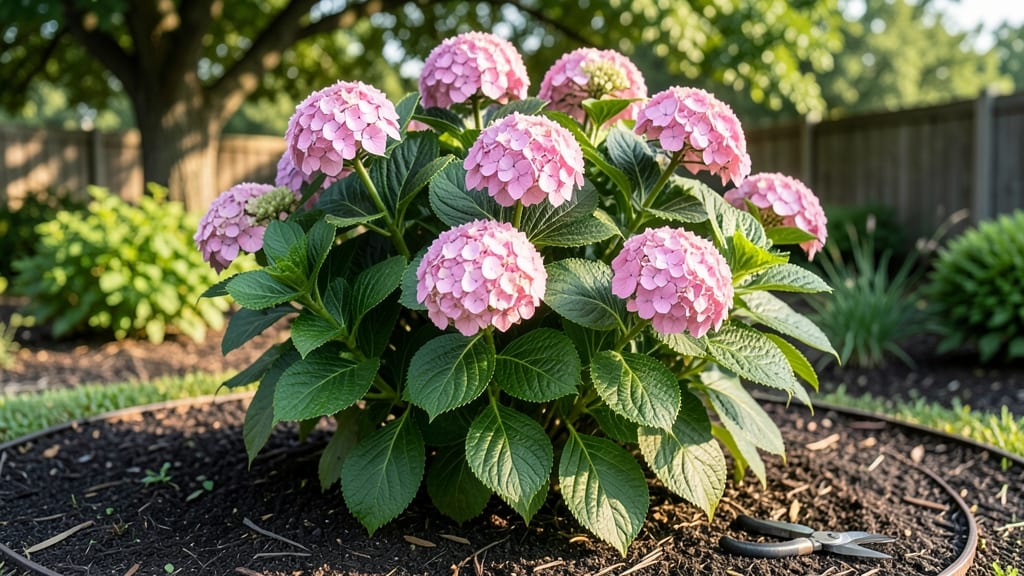
Finding shrubs that deliver year-round privacy without turning pruning into a chore changed how I design my garden. 🌿 These tough, low-maintenance plants create lush, living screens that stay green even in winter—no shearing required.
The best ones grow fast, resist pests, and blend seamlessly into any landscape, from formal hedges to wild, cottage-style borders.
I’ve tested dozens, but the top performers—like Emerald Green Arborvitae and Dwarf Fountain Boxwood—stand out for their disease resistance and dense growth habits. They thrive in zones 4-8, handle drought once established, and fit small spaces or sprawling properties alike.
The key is choosing varieties that match your climate and sunlight, then letting them grow naturally for maximum impact.
Imagine a backdrop of deep green foliage that never fades, with occasional blooms or berries adding seasonal interest. These shrubs block noise, buffer winds, and even boost property value—all while requiring just a few cuts a year.
I’ll show you how to pick the right ones for your yard and keep them thriving with minimal effort.
Whether you’re framing a patio, masking a neighbor’s view, or adding texture to a flower bed, these shrubs deliver foolproof results. Let’s get your privacy screen growing without the headache of constant upkeep.
📚 In This Guide
- What you need
- Instructions
- Tips and common mistakes
- Wrapping up and next steps
What you need
- ● Shrubs: Choose 3–5 varieties (e.g., Buxus sempervirens, Ilex crenata, Ligustrum, or Abelia). Quantity depends on spacing needs—typically 1–3 plants per 3–5 feet of space for dense coverage.
- ● High-quality potting soil or native soil mix: 50 lbs (or enough to fill planting holes). Opt for well-draining soil amended with compost for nutrients.
- ● Organic mulch: 2–3 cubic feet (e.g., shredded bark or pine straw) to retain moisture and suppress weeds.
- ● Slow-release fertilizer: 10–20 lbs (10-10-10 or organic options like fish emulsion). Apply at planting and once annually.
- ● Garden trowel or spade: For digging holes twice as wide and deep as the root ball.
- ○ Pruning shears: Bypass pruners (sharp, 6–8 inch blades) for clean cuts. Optional: Loppers for thicker branches.
- ● Wheelbarrow or bucket: 5-gallon capacity for mixing soil/fertilizer or hauling mulch.
- ● Garden hose with spray nozzle: For gentle watering (avoid blasting roots).
- ● Measuring tape: To ensure proper plant spacing (check variety-specific needs).
- ● Gloves & knee pads: Pro tip: Wear gardening gloves to avoid thorns (e.g., Pyracantha) and protect your knees!
- ● Sunlight assessment: Confirm your shrubs’ light needs (e.g., full sun for Abelia, partial shade for Dwarf Fothergilla).
- ○ Soil test kit: Optional but helpful to check pH (aim for 5.5–7.0 for most shrubs). Adjust with lime or sulfur if needed.
- ● Water source nearby: Shrubs need 1–1.5 inches of water weekly (more during drought).
- ● Neighbor approval: Pro tip: If planting near property lines, check local setback laws to avoid fines!
Step-by-step guide to planting year-round privacy shrubs
Here’s how to select and plant the best shrubs for lush, low-maintenance privacy that thrives in every season.
🌱 Step 1: Choose the Right Shrubs for Your Climate
For year-round privacy, focus on evergreen varieties that hold their foliage in winter. I recommend Emerald Green Arborvitae for cold climates, Dwarf Leyland Cypress for milder zones, or Boxwood for structured hedges. Check your hardiness zone—most of these thrive in USDA zones 5-9. Plant in groups of 4-6 per section for full coverage.
Spacing matters: 6-10 feet apart for fast-growing cypress, 3-5 feet for slower boxwood. Dig holes twice as wide as the root ball but only as deep—planting too deep suffocates roots. Amend the native soil with 2-3 inches of compost in the bottom of each hole to boost early growth.
☀️ Step 2: Prepare the Planting Site for Optimal Growth
Shrubs need 6+ hours of sunlight daily for dense foliage, but some like Boxwood tolerate partial shade. Test your site by observing sunlight patterns for a week—most privacy shrubs struggle in deep shade. Clear weeds and grass within 2 feet of the planting area to reduce competition.
Loosen the soil to 12 inches deep with a garden fork. Avoid compacting the soil—this restricts root spread. If your soil drains poorly, mix in 1 part perlite per 3 parts soil to improve aeration. Water the amended soil until it’s evenly moist but not soggy before planting.
🪴 Step 3: Plant Shrubs Correctly for Long-Term Health
Remove the shrub from its container and gently tease the roots if they’re circling. Place it in the hole so the top of the root ball sits level with the ground—burying too deep causes rot. Backfill with native soil, tamping lightly every 2 inches to eliminate air pockets.
Water deeply immediately after planting to settle the soil. You’ll see new growth within 3-4 weeks if planted correctly. Mulch with 2-3 inches of shredded bark around the base (keep it 6 inches away from the stem to prevent rot). This conserves moisture and suppresses weeds.
✂️ Step 4: Prune Strategically for Density and Shape
Wait 6-12 months before pruning—young shrubs need time to establish roots. After that, prune once a year in late winter or early spring (before new growth starts). Remove dead or crossing branches first, then shape by cutting back no more than 1/3 of the plant’s height per year.
Use clean, sharp shears to make cuts at a 45-degree angle just above a leaf node. Avoid "heading back" (cutting into old wood)—this encourages weak growth. You’ll notice fuller foliage within a season if you prune correctly. For formal hedges, trim every 4-6 weeks during the growing season.
💧 Step 5: Water and Fertilize for Year-Round Vitality
Water deeply once a week for the first year, providing 1-1.5 gallons per shrub. After establishment, most privacy shrubs need water only during drought periods (when soil feels dry 3 inches deep). Overwatering causes root rot—always check moisture before watering.
Fertilize once in early spring with a slow-release, balanced fertilizer (10-10-10). Avoid high-nitrogen fertilizers—they promote leafy growth at the expense of root strength. You’ll see healthier foliage and faster filling-in with proper feeding. Mulch annually in late fall to protect roots from winter temperature swings.
Tips & tricks for perfect year-round privacy shrubs
These insider strategies will help you transform your yard into a lush, evergreen privacy screen that requires minimal upkeep—no green thumb required.
Climate-Specific Selection: While the instructions cover the basics, here's what I've learned after planting multiple varieties: Emerald Green Arborvitae handles harsh winters beautifully but needs full sun—don't plant it in shady spots. For milder climates, Dwarf Leyland Cypress grows aggressively (up to 3 feet per year!) but may need staking in windy areas. Boxwood, while slower-growing, thrives in partial shade and handles urban pollution better than other options.
Root Ball Preparation Secret: Before planting, soak the root ball in water for 10-15 minutes to hydrate it thoroughly. This prevents transplant shock and jumpstarts growth. I also recommend removing any plastic nursery pots—they can restrict root expansion. If you're dealing with container-grown shrubs, gently score the bottom of the root ball with a knife to encourage root growth outward rather than circling.
Mulching Mastery: That 2-3 inch layer of shredded bark isn't just for looks—it's a game-changer. Spread it in a 3-inch wide donut shape around the base (keeping it 6 inches away from the stem as instructed), but here's the pro move: refresh it annually in late fall. This creates a protective barrier against winter temperature swings and keeps weeds at bay for years. Use pine straw or hardwood mulch for best results—they break down slowly and improve soil structure over time.
Pruning Pro Tips: When you're ready to prune after that 6-12 month establishment period, here's my non-negotiable rule: always prune on a dry, sunny day when the shrub is dormant. Sterilize your shears with rubbing alcohol between cuts to prevent disease spread. For Boxwood, I recommend using hand pruners for precision shaping—they give you better control than hedge trimmers for detailed work. And remember, those 45-degree angle cuts aren't just for aesthetics; they help water run off the branches properly.
Pro Tips for Best Garden Shrubs
- These insider strategies will help you transform your yard into a lush, evergreen privacy screen that requires minima...
- Climate-Specific Selection: While the instructions cover the basics, here's what I've learned after planting multiple...
- Root Ball Preparation Secret: Before planting, soak the root ball in water for 10-15 minutes to hydrate it thoroughly...
Frequently asked questions
Got questions about picking the perfect shrubs for your garden? You’re not alone!
Here are some of the most common queries—and straightforward answers—to help you grow with confidence.
What are the easiest low-maintenance shrubs for beginners?
If you’re new to gardening, opt for Boxwood, Dwarf Lilac, or Inkberry Holly. These shrubs thrive with minimal fuss—just water occasionally and prune lightly once a year. They’re tough, disease-resistant, and perfect for shaping hedges or adding structure to your landscape.
When is the best time to plant shrubs for long-term privacy?
Spring or early fall are the ideal windows for planting. In spring, shrubs establish roots before summer heat, while fall lets them settle in before winter dormancy. Avoid planting in extreme heat or cold—root systems need time to adapt!
Can I use shrubs for privacy in small spaces?
Dwarf varieties like Emerald Green Arborvitae (3–4 ft tall) or Dwarf Fothergilla (3–5 ft) are compact yet dense. For vertical space, try Climbing Hydrangea or Clematis on trellises. Layering shrubs of different heights creates lush, space-efficient privacy screens.
How do I fix overgrown or leggy shrubs without killing them?
Start by pruning in stages—never cut more than ⅓ of the foliage at once. Use clean, sharp shears to trim back to healthy buds. For shrubs like Loropetalum, focus on removing dead wood first. Water deeply after pruning to help recovery. Pro tip: Prune after flowering for most shrubs to encourage new growth.
Which shrubs are deer-resistant?
Deer tend to avoid Boxwood, Oakleaf Hydrangea, Dwarf Fothergilla, and Inkberry Holly—though no plant is 100% deer-proof. Pair these with fragrant herbs like Lavender nearby to deter browsers further. If deer are persistent, consider fencing or repellents for extra protection.
Wrapping up and next steps
Transforming your garden into a lush, private retreat is easier than you think! The best garden shrubs for year-round privacy—like Holly, Boxwood, and Privet—require minimal pruning while offering stunning foliage and resilience.
Whether you prioritize evergreen coverage, wildlife-friendly blooms, or low-maintenance growth, there’s a perfect shrub for every space. 🌿
🚀 Ready to Get Started?
Pick your top 2-3 favorites, check your climate zone, and plant with confidence! For extra inspiration, sketch a quick layout or browse local nurseries to see these beauties in person. Your future self—and your neighbors—will thank you! 🌟