Companion Plants
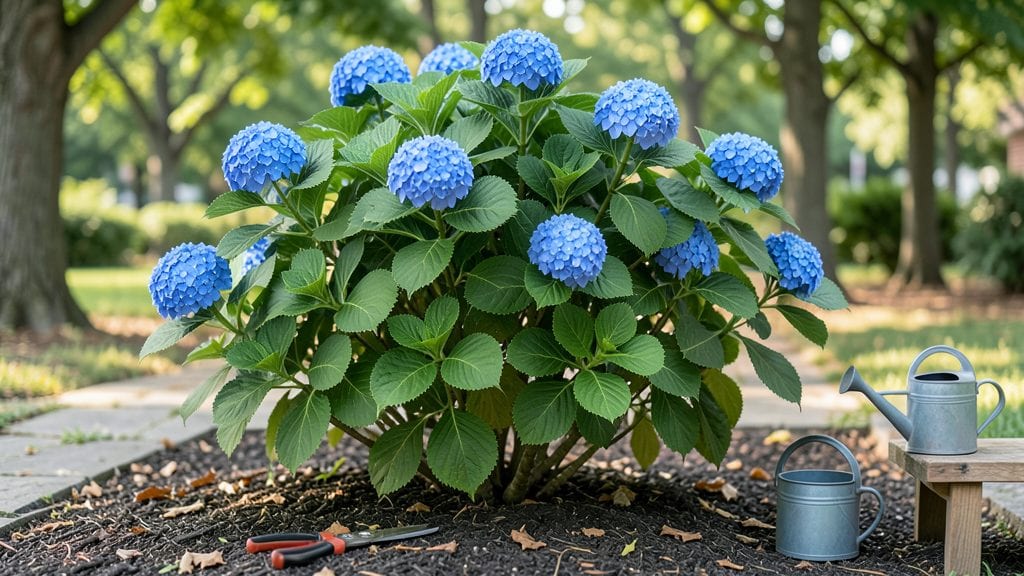
Creating a lush, year-round privacy screen with garden plants and bushes feels like building a living fortress—one that blooms, thrives, and actually looks good doing it. 🌿 I’ve designed my own low-maintenance layers using a mix of evergreens, flowering shrubs, and fast-growing climbers that block nosy neighbors while requiring less fuss than my last failed attempt with bamboo.
The key is pairing plants that fill different heights and seasons, so you’re never left with bare spots or high-maintenance gaps.
Start with a 6-foot-tall evergreen backbone like arborvitae or leyland cypress—they stay dense all winter and handle full sun or partial shade. Then add mid-height shrubs like hydrangeas or spirea for color and texture, and top it off with climbing roses or clematis for vertical drama.
Most of these thrive in average soil and need watering only when the top inch dries out, making them perfect for busy gardeners. The secret weapon? Layering plants with different bloom times so your screen stays vibrant from spring through fall.
By summer’s end, you’ll have a privacy shield that’s both functional and stunning—think glossy leaves, fragrant blooms, and maybe even a few edible berries if you choose wisely. The best part? Once established, these plants need minimal pruning or fertilizing, freeing up your weekends for actual relaxation.
Whether you’re dealing with a small urban yard or a sprawling backyard, this layered approach works everywhere.
Here’s the game-changer: regional adaptability. Swap out heat-sensitive evergreens for drought-tolerant varieties in dry climates, or opt for cold-hardy shrubs in northern zones. The framework stays the same—just tweak the players. Ready to turn your view into a green sanctuary without the upkeep headaches?
📚 In This Guide
- What you need
- Instructions
- Tips and common mistakes
- Wrapping up and next steps
What you need
- ● Low-maintenance shrubs & bushes: Choose 3–5 varieties from this list (adjust for climate/space): Boxwood (Buxus) – 3–5 plants (2–3 ft tall)
- ● Holly (Ilex) – 2–3 plants (4–6 ft tall)
- ● Abelia (Abelia x grandiflora) – 2–3 plants (3–5 ft tall)
- ● Dwarf Fothergilla (Fothergilla gardenii) – 2 plants (3–4 ft tall)
- ● Ligustrum (Ligustrum japonicum) – 3–4 plants (6–8 ft tall)
- ● Perennial ground covers: 10–15 plants (e.g., Ajuga, Creeping Thyme, or Liriope) for texture.
- ● Mulch: 2–3 bags (3–4 cu. ft. each) of shredded bark or pine needles.
- ● Hand trowel (for small plants)
- ● Garden shovel (for digging larger holes)
- ● Pruning shears (sharp, bypass-style)
- ● Measuring tape (10–25 ft)
- ● Garden hose with nozzle (or watering can for delicate plants)
- ● Gloves (heavy-duty for thorny bushes like holly)
- ○ Optional: Wheelbarrow (for hauling mulch/soil)
- ● Soil pH tester (if amending acidic/alkaline soil)
- ● Stakes & twine (for temporary support if needed)
- ● Sunlight assessment: Measure 6+ hours of sun/day for most shrubs (adjust for shade-tolerant picks like Pieris).
- ● Soil test: Aim for well-draining soil (pH 6.0–7.0 for most plants; amend with compost if needed).
- ● Spacing plan: Check mature plant widths (e.g., boxwoods need 3–4 ft apart).
- ● Water source: Ensure easy access for the first 2–3 weeks post-planting.
How to design a year-round privacy screen with low-maintenance plants
Here’s how I create lush, evergreen privacy screens that thrive with minimal fuss.
🌿 Step 1: Select Foundation Plants for Structure and Height
Start with evergreen shrubs that provide year-round coverage and natural structure. I recommend boxwood for dense, compact growth or holly for height and striking foliage. These plants form the backbone of your privacy screen, so choose varieties that mature at least 6-8 feet tall—like ‘Green Giant’ arborvitae or ‘Emerald Green’ arborvitae, which grow 12-15 feet tall and stay lush in all seasons.
Space them 3-4 feet apart to allow for growth without overcrowding. The key here is balance: taller plants at the back, shorter ones in front. For example, plant ‘Dwarf Alberta Spruce’ (3-4 feet tall) in front of ‘Sky Pencil’ holly (10-12 feet tall). This creates depth while keeping maintenance low—no need for constant pruning once established.
🌱 Step 2: Layer With Mid-Height Fillers for Texture
Fill the gaps between foundation plants with semi-evergreen or deciduous shrubs that add texture and seasonal interest. I love inkberry holly for its glossy leaves and berries, or spirea for delicate foliage and summer blooms. These plants fill in quickly and require minimal pruning—just a light trim in late winter to shape them.
Use 2-3 plants per gap between taller shrubs, spacing them 18-24 inches apart. For example, if your foundation plants are 4 feet apart, place three inkberry hollies evenly spaced between them. This ensures no bare spots while keeping the screen dense. Water deeply after planting to encourage root establishment—soil should feel moist 2-3 inches down for the first 2-3 weeks.
☀️ Step 3: Add Low-Growing Ground Cover for Fullness
To tie everything together, add evergreen ground cover like creeping juniper or dwarf mondo grass in front of your mid-height plants. These plants spread quickly, suppressing weeds and filling in gaps naturally. They’re also drought-tolerant once established, so you won’t need to water them often after the first year.
Plant ground cover in a 1-foot-wide band along the front edge of your screen. Space plants 6-12 inches apart so they can spread and connect over time. Avoid overwatering—let the soil dry slightly between waterings to prevent root rot. In 6-12 months, your ground cover will create a seamless, weed-free base for your privacy screen.
✂️ Step 4: Prune Strategically for Long-Term Health
Prune your foundation plants once a year in late winter or early spring, just as new growth begins. Remove dead or crossing branches first, then shape the plant by cutting back overgrown stems by ⅓. For example, if your arborvitae has leggy branches reaching outward, trim them back to encourage denser growth.
For mid-height plants like spirea, a light trim after flowering keeps them tidy without sacrificing next year’s blooms. Never prune more than 25% of the plant at once—this can stress it and slow growth. After pruning, apply a 2-inch layer of mulch (like shredded bark) to retain moisture and suppress weeds. Keep mulch 6 inches away from plant stems to prevent rot.
🪴 Step 5: Maintain Soil and Water for Longevity
Your privacy screen thrives with well-draining, slightly acidic soil (pH 5.0-6.5). If your soil is heavy clay, amend it with 2-3 inches of compost before planting. Evergreens like arborvitae and holly prefer moist but not soggy soil, so water deeply once a week during the first growing season. After that, water only when the top 2 inches of soil feel dry—overwatering is the fastest way to kill these plants.
Fertilize lightly in early spring with a slow-release, balanced fertilizer (10-10-10). Follow the package rate—too much fertilizer burns roots. Once established (after 2-3 years), your plants will need little to no fertilizer. Monitor for pests like spider mites or scale, but most evergreens are naturally resistant if kept healthy. A hose spray in early summer keeps foliage dust-free and deters pests.
Tips & tricks for perfect year-round privacy screens
A few strategic choices make all the difference when creating a low-maintenance privacy screen that looks stunning year after year.
Plant Selection Strategy: When choosing your foundation plants in Step 1, prioritize varieties with natural disease resistance—like ‘Emerald Green’ arborvitae—which requires virtually no spraying once established. I also recommend selecting plants with different growth habits to create visual interest; for example, pair the upright ‘Sky Pencil’ holly with the rounded ‘Green Giant’ arborvitae. This creates natural movement and prevents that "wall-like" look that can feel unnatural. The key is to let the plants' natural shapes complement each other rather than forcing them into rigid lines.
Layering Technique: In Step 2, think of your mid-height fillers as the "sculptural elements" of your design. I always choose plants with contrasting foliage textures—like the fine, feathery spirea paired with the glossy inkberry holly—to create visual depth. Pro tip: Plant your mid-height shrubs slightly closer together (18-24 inches) than the foundation plants (3-4 feet). This creates that lush, dense look without requiring constant pruning. The 2-3 plants per gap rule ensures you'll get full coverage without overcrowding as they mature.
Ground Cover Placement: For Step 3, consider the mature spread of your ground cover when planting. Creeping juniper, for example, can spread 3-4 feet wide, while dwarf mondo grass stays more compact at 1-2 feet. Plant the more aggressive spreaders (like juniper) along the outer edges of your screen where they have room to expand. The 1-foot-wide band guideline works perfectly, but remember to leave a 6-inch gap between your ground cover and mid-height plants to prevent competition for water and nutrients. This spacing also makes future maintenance much easier.
Pruning Precision: When pruning in Step 4, use the "thirds rule" for foundation plants—never remove more than one-third of the plant's volume at once. For example, if you're shaping an arborvitae, look for branches that are growing outward or crossing others, and trim those back to where they branch off from the main stem. This encourages denser growth at the base while maintaining that natural, layered look. For spirea, I always wait until after flowering to prune—this preserves next year's blooms while keeping the plant tidy. A sharp pair of pruners is essential here; dull blades can tear foliage and invite disease.
Pro Tips for Garden Plants And Bushes
- A few strategic choices make all the difference when creating a low-maintenance privacy screen that looks stunning year after year.
- Plant Selection Strategy: When choosing your foundation plants in Step 1, prioritize varieties with natural disease resistance—like ‘Emerald Green’ arborvitae—which requires virtually no spraying once established.
- Layering Technique: In Step 2, think of your mid-height fillers as the "sculptural elements" of your design.
Frequently asked questions
Got questions about creating a lush, low-maintenance privacy garden? Here are answers to the most common ones—so you can plan with confidence!
What are the best fast-growing plants for quick privacy?
For rapid growth (3+ feet per year), opt for bamboo (running types), arborvitae, or leyland cypress. Hornbeam and willow bushes also fill space quickly. Just check local climate zones—some thrive faster in warmer areas!
How soon can I expect full privacy from my garden layers?
With 3–5 years, a well-planned mix of shrubs, trees, and climbers (like ivy or clematis) can create a dense screen. Pro tip: Layer fast growers (e.g., bamboo) in front of slower ones (e.g., boxwood) for instant impact.
Which plants handle drought or extreme heat best?
Drought-tolerant stars include lavender, rosemary, and olive trees (evergreen!). For heat + humidity, try camellias, gardenias, or holly bushes. Always mulch to retain moisture—even low-maintenance plants appreciate it!
How do I prune bushes to keep them healthy and shaped?
Prune spring-flowering bushes (like lilacs) after blooming; summer/fall bloomers (e.g., hydrangeas) need trimming in early spring. Use clean, sharp shears and cut at a 45° angle above a leaf bud. Never prune more than ⅓ of the plant at once!
Can I mix perennials with bushes for year-round color?
Pair evergreen bushes (e.g., boxwood or pieris) with perennials like heuchera or coral bells for texture. Add seasonal blooms (e.g., spring bulbs, summer coneflowers) for color. Just ensure perennials won’t outcompete your shrubs—space them 1–2 feet apart.
What’s the easiest way to deter pests without chemicals?
Encourage beneficial insects (ladybugs, lacewings) with neighborhood plants like dill, fennel, or marigolds. For deer/rabbits, use repellent sprays (garlic/pepper mix) or physical barriers (fencing, prickly plants like barberry). Pro tip: Healthy plants resist pests better—water deeply and mulch!
Wrapping up and next steps
Creating a lush, year-round privacy screen doesn’t have to be complicated—or expensive! With the right mix of low-maintenance garden plants and bushes, you can transform your yard into a serene, green sanctuary that thrives with minimal effort.
From evergreens to flowering shrubs, these layered options offer beauty, resilience, and that perfect balance of ease and elegance.
Ready to take the next step? Start small—pick one or two plants that suit your climate and space, then expand as you gain confidence. Your future self (and your neighbors!) will thank you for the peaceful, picturesque retreat you’re building. 🌿✨