
Companion Plants
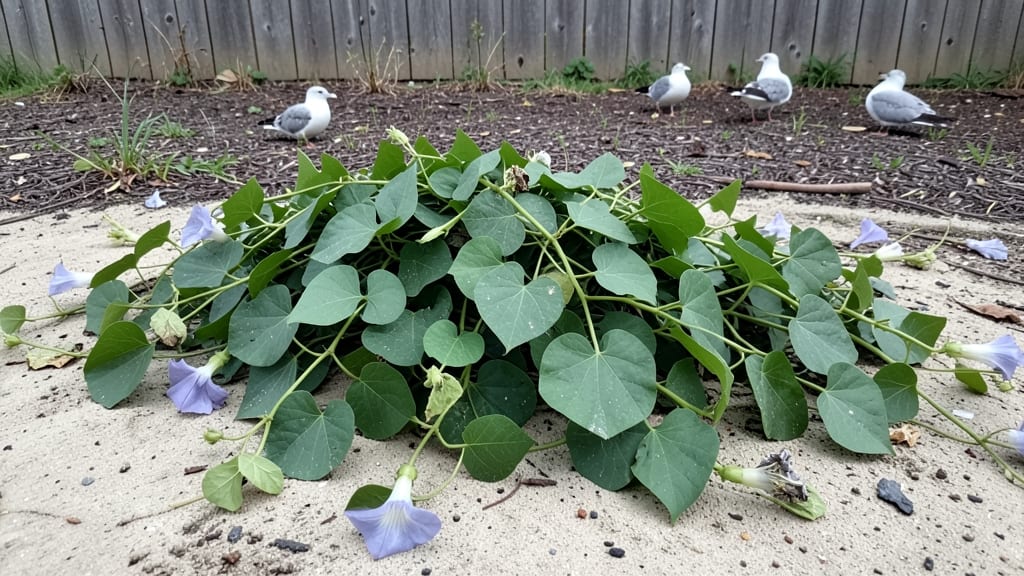
For seaside gardens, salt-tolerant plants like sea oats, beach grass, and sea lavender thrive in windy, salty conditions with minimal care. Drought-resistant varieties such as ice plant and rosemary also perform exceptionally well in coastal environments.
Coastal plants have evolved remarkable adaptations to handle salt spray, sandy soil, and strong winds—key traits that make them ideal for seaside gardens. 🌊 Many of these species store water efficiently in their leaves or stems, reducing the need for frequent watering.
For example, sea lavender's silvery foliage reflects sunlight while its deep roots anchor it firmly against storms. This resilience means you can create stunning coastal landscapes with far less effort than traditional gardens require.
Another advantage of these hardy plants is their ability to stabilize sandy soil, preventing erosion while adding visual interest. Whether you're designing a dune garden or a windswept patio, these salt-tolerant varieties will not only survive but thrive with minimal intervention.
The best part? They often bloom beautifully, adding vibrant color to your seaside space even in challenging conditions.
💡 In This Article
- How Salt-Tolerant Plants Survive Coastal Conditions
- Top Low-Maintenance Seaside Plants for Sandy Soil
How salt-tolerant plants survive coastal conditions
Here's what's actually happening at the cellular level: salt-tolerant plants like sea thrift (Armeria maritima) and dune grass (Ammophila arenaria) have evolved specialized mechanisms to handle saline environments.
Their roots contain vacuoles that actively pump excess salt out of their systems through a process called salt excretion. This works because specialized glands in the leaves or stems release salt crystals, which then wash away with rain or dew.
For example, sea thrift can excrete up to 30% of absorbed salt through its leaf surfaces, preventing toxic buildup in its tissues.
The key factor is their ability to balance water retention with salt filtration. Many coastal plants develop succulent stems or leaves, like ice plant (Delosperma spp.), which store water while minimizing surface area to reduce evaporation.
These plants also have deep taproots that reach groundwater tables below the salty topsoil layer—some species like beach rosemary (Limonium spp.) can extend roots 6-10 feet deep to access fresh water.
The trade-off is fascinating: while they conserve water, they still need occasional rainfall or irrigation to flush out accumulated salt.
What most people don't realize is how these plants manage their internal chemistry. Coastal species often produce proline, an amino acid that acts like a cellular antifreeze, protecting enzymes from salt damage.
This is why you'll see many salt-tolerant plants thriving where others would wilt—even after heavy salt spray events. For instance, dune grass maintains rigidity in 100+ mph winds by producing extra lignin in its stems, creating natural reinforcement similar to how steel-reinforced concrete works in construction.
There's also a clever adaptation in their leaf structure: many coastal plants have thick, waxy cuticles or hairy surfaces that reduce water loss while reflecting harmful UV radiation. Sea lavender (Limonium sinuatum), for example, has leaves coated with a microscopic wax layer that repels salt particles.
This dual-purpose adaptation explains why these plants can survive both the drying effects of wind and the corrosive impact of salt spray—without needing frequent human intervention.
Consider these physiological trade-offs when selecting plants for your coastal garden:
- Succulence: Stores water but may require occasional flushing of salt (rain or irrigation)
- Deep roots: Accesses fresh water but needs well-draining soil to prevent rot
- Salt excretion: Removes toxins but may leave white deposits on foliage
- Wind resistance: Provides stability but often means slower growth rates
The science behind this resilience explains why these plants are so low-maintenance. Their adaptations mean they naturally handle conditions that would stress most garden varieties. For example, a single watering every 2-3 weeks often suffices for established coastal plants during dry spells, compared to weekly watering for many inland species.
This built-in efficiency makes them perfect for busy gardeners or areas where water conservation is important.
What's truly remarkable is how these adaptations work together in harmony. A plant like beach grass doesn't just tolerate salt—it actively manages its environment at the molecular level, creating a self-sustaining system that requires minimal external input.
This is nature's version of an airtight container: everything stays balanced inside while the harsh external conditions are kept at bay. 💫