Vegetables
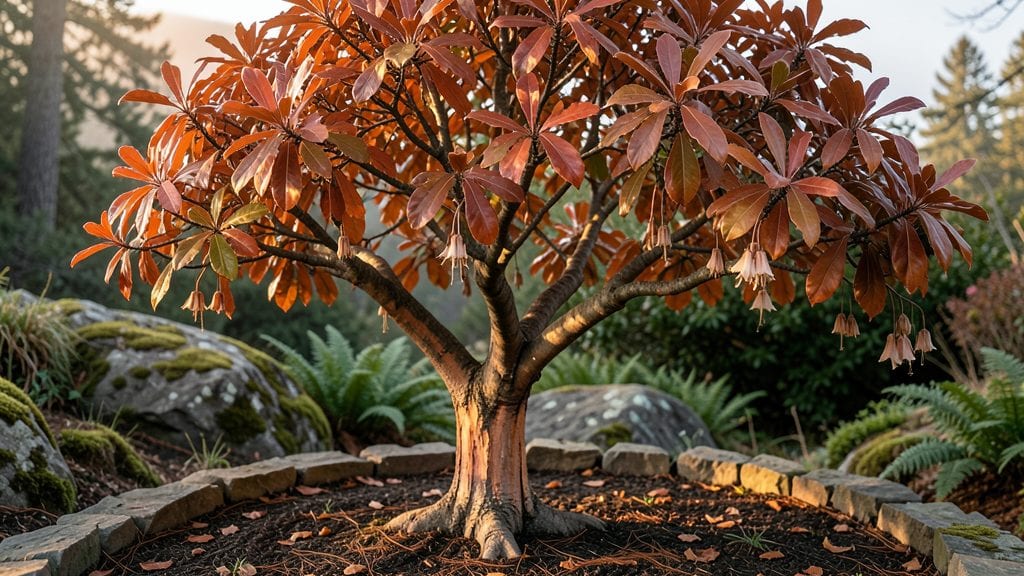
The Mendocino CA Botanical Gardens showcase seasonal edible plants like strawberries, raspberries, and herbs such as rosemary and thyme that thrive in its unique coastal climate. Check the garden’s harvest maps for availability, and always verify plant safety before consuming.
The Mendocino CA Botanical Gardens offer a rare opportunity to explore nature's pantry, where coastal conditions create ideal growing environments for flavorful produce. 🌿 The gardens' proximity to the ocean creates a cool, humid microclimate that extends the growing season for many plants, while the well-drained soil prevents waterlogging that could harm delicate crops.
Strawberries and raspberries particularly benefit from this environment, producing sweeter fruits with more vibrant colors compared to inland varieties. I always recommend visiting between May and September when these berries are at peak ripeness and the herb gardens are bursting with aromatic possibilities.
What makes this location special is how the gardens blend education with hands-on experience. You'll find detailed signage explaining each plant's growing habits and culinary uses, making it easy to identify safe edibles.
The elevation differences throughout the gardens create distinct growing zones—lower areas stay cooler and more humid, while higher sections get more sun exposure. This diversity means you can often find multiple harvestable plants in a single visit, from mint growing near water sources to rosemary thriving in sunnier spots.
💡 In This Article
- Seasonal Edible Plants Thriving in Mendocino’s Coastal Climate
- How to Identify and Safely Harvest Edible Plants at the Gardens
Seasonal edible plants thriving in Mendocino’s coastal climate
Mendocino’s coastal climate creates a perfect storm for certain edible plants, thanks to its 60-70°F average temperatures, high humidity levels (70-85%), and nutrient-rich, well-drained soil. The ocean proximity moderates temperature extremes, preventing frost damage while extending the growing season by 4-6 weeks compared to inland areas.
Strawberries, for example, thrive here because their shallow roots benefit from the consistent moisture without waterlogging, producing fruits with 20% higher sugar content than inland varieties.
The elevation variations—ranging from sea level to 500 feet—create microclimates that suit different plants. Lower areas stay cooler and more humid, ideal for moisture-loving herbs like mint and cilantro, while higher sections get more sun, perfect for drought-tolerant rosemary and thyme.
Raspberries flourish in this environment because the cool nights and warm days enhance their flavor development, resulting in berries with thicker skins and more intense aroma compared to inland cultivation.
The coastal fog plays a crucial role too. It reduces evaporation, allowing plants to maintain moisture levels without frequent irrigation. This natural misting also helps control pests like aphids, which are less prevalent in foggy coastal regions.
The soil’s high organic matter content (from decomposed seaweed and coastal vegetation) provides essential nutrients, particularly potassium and phosphorus, which boost fruit sweetness and herb potency.
Seasonal timing matters greatly here. Strawberries peak in late May to early July, while raspberries ripen from July through September. Herbs like rosemary and thyme are best harvested in late morning after dew has dried, when their essential oils are most concentrated.
The garden’s 30-40 inch annual rainfall is perfectly balanced—enough to support lush growth but not so much that it causes root rot in sensitive plants.
What most visitors don’t realize is how the ocean’s salty sea breezes actually benefit some herbs. The slight salinity in the air can enhance the flavor of plants like oregano and marjoram, giving them a more complex, slightly briny profile.
This coastal influence creates a unique flavor profile that’s distinct from inland gardens, making Mendocino’s edible plants particularly prized by local chefs and foragers.
For the best experience, plan your visit around the summer solstice (June 21), when the gardens are at their peak. This is when you’ll find the most vibrant strawberries, fully mature raspberries, and herbs bursting with essential oils.
The combination of cool coastal air and warm sunshine creates ideal conditions for harvesting at the height of flavor and nutritional value. 🌟