
Tools
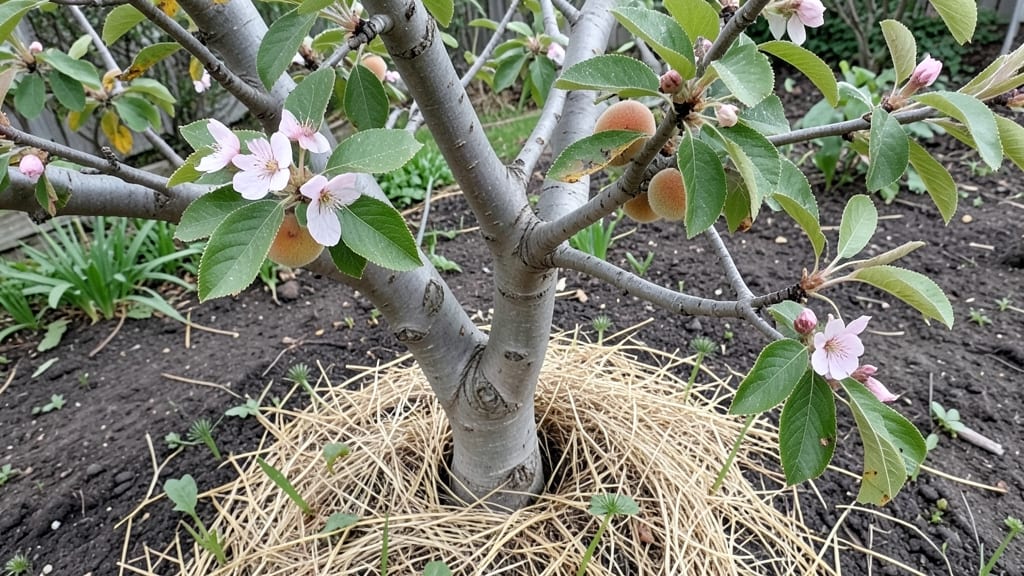
A peach tree garden transforms your yard into a fragrant, sun-drenched paradise where every spring brings clouds of pink blossoms and summer delivers juicy fruit. 🌸 I planted mine against a south-facing fence, and within three years, the vertical branches created a living privacy screen that also feeds my family.
The key isn't just picking a tree—it's designing the space around it to maximize both beauty and harvest.
Start with 6-8 feet of spacing between trees for proper airflow, and mix in low-growing perennials like lavender or thyme underneath—they suppress weeds while adding fragrance. A 5-gallon bucket of compost worked into the planting hole gives roots a nutrient boost, and mulching with wood chips keeps moisture locked in.
My tree thrives in full sun, but afternoon shade helps prevent fruit sunburn in hot climates.
You'll love the layered interest: delicate spring blossoms, glossy summer foliage, and autumn's fiery leaves. Harvest season brings the real payoff—sweet, ripe peaches that taste nothing like store-bought. The tree's vertical growth also makes it perfect for small spaces, where it creates shade without taking up precious ground room.
Seasonal care keeps it stunning: prune in late winter to shape branches, thin fruit in early summer to prevent overcrowding, and protect young trees from late frosts. With the right setup, your peach tree garden becomes the centerpiece that neighbors admire and birds flock to every summer.
📚 In This Guide
- What you need
- Instructions
- Tips and common mistakes
- Wrapping up and next steps
What you need
- ● Peach tree saplings: 1–3 dwarf or semi-dwarf varieties (e.g., Elberta, Redhaven, or Bonanza) for vertical gardens. Choose self-pollinating or compatible pairs.
- ● Growing medium: Potting mix: 10–15 gallons (well-draining, organic blend with perlite or vermiculite).
- ● Compost: 2–3 gallons for nutrient-rich soil.
- ● Containers or vertical planters: Fabric grow bags: 2–5 (10–20 gallons each, with drainage holes).
- ● OR Trellis system: 1–2 (e.g., A-frame, wall-mounted, or freestanding with sturdy stakes).
- ● Support structures: Bamboo stakes or metal rods: 4–6 (6–8 ft tall for climbing varieties).
- ● Twine or soft plant ties: 1 roll (to secure branches gently).
- ● Hand trowel (for planting and soil prep).
- ● Pruning shears (sterilized, sharp for trimming).
- ● Watering can or hose with nozzle (gentle spray for young trees).
- ○ pH testing kit (optional but helpful; peaches thrive in 6.0–7.0 pH).
- ● Mulch (straw or wood chips): 5–10 gallons (to retain moisture).
- ● Sunlight: 6–8+ hours of direct sun daily (south-facing walls or full sun spots).
- ● Climate zone: USDA Zones 5–9 (peaches are frost-sensitive; protect young trees!).
- ● Space: 3–6 ft apart for dwarf trees, 6+ ft for standard varieties in vertical setups.
- ● Water source: Drip irrigation or consistent watering schedule (peach trees hate soggy roots!).
- ● Fertilizer: Balanced 10-10-10 or citrus-specific fertilizer (apply spring/fall).
- ● Pest deterrents: Neem oil or floating row covers (for early blooms).
- ● Decorative elements: Solar lights, trellis paint, or hanging baskets for a garden aesthetic.
Step-by-Step guide to planting a peach tree garden
Here's how to create a thriving vertical peach tree garden that rewards you with fruit and beauty for years.
🌱 Step 1: Choose the Right Location and Planting Site
Peach trees need full sun—at least 6-8 hours daily—so pick a south or west-facing spot where they won’t be shaded by buildings or taller plants. I always test the site in winter to ensure no large tree roots will compete for nutrients or moisture.
Dig a hole twice as wide as the root ball but only as deep as the container the tree came in. Loosen the soil at the bottom to encourage root spread. If your soil is heavy clay, mix in 2-3 inches of compost to improve drainage—peach trees hate soggy roots.
🪴 Step 2: Prepare the Tree and Plant Correctly
Remove the tree from its container and gently loosen the roots if they’re circling. Place it in the hole so the graft union (the bump near the base) sits 2-3 inches above soil level. This prevents water from pooling at the graft and rotting the tree over time.
Backfill with native soil, tamping lightly every 2-3 inches to eliminate air pockets. Create a 2-foot-wide watering basin around the base to direct irrigation. Water deeply right after planting—this helps settle the soil and removes air gaps that can dry out roots.
☀️ Step 3: Mulch and Protect for First-Growing Season
Spread 3-4 inches of mulch (wood chips or straw work well) in a ring around the tree, keeping it 6 inches away from the trunk. Mulch conserves moisture and regulates soil temperature, which is critical for young peach trees. Avoid thick mulch piles—too much can suffocate the roots.
Install a tree guard or wire cage to protect against deer and rabbits, especially in the first year. I’ve seen too many young peach trees stripped to the trunk by wildlife. Water the tree once a week during the first month, then reduce to every 10-14 days once established, depending on rainfall.
✂️ Step 4: Prune for Structure and Health
Prune in late winter or early spring before buds swell. Remove any dead, crossing, or inward-growing branches first—these compete for energy and invite disease. Thin the canopy to let sunlight reach the center, aiming for an open, vase-like shape. Never remove more than 25% of the tree’s foliage in one season.
Watch for suckers (shoots growing from the base)—these drain energy from fruit production. Trim them back to the ground as soon as you spot them. After pruning, apply a balanced fertilizer (10-10-10) around the drip line in early spring to fuel new growth.
💧 Step 5: Maintain Through the Seasons
Water deeply once a week during dry spells, soaking the soil to 12-18 inches deep. Peach trees are drought-tolerant once established, but young trees need consistent moisture. You’ll know it’s time to water when the top 2-3 inches of soil feel dry.
In late summer, reduce watering to encourage dormancy. Apply a 2-inch layer of mulch in fall to insulate roots from winter cold. If your region gets harsh winters, wrap the trunk with tree wrap to prevent sunscald damage. With proper care, your peach tree will bloom beautifully and bear fruit for decades.
Tips & tricks for perfect peach tree garden planting
A few key insights will help you avoid common pitfalls and set your peach tree up for success from day one.
The Sunlight Secret: That 6-8 hours of full sun is non-negotiable. I've seen peach trees struggle in partial shade—leaves turn yellow, fruit develops poorly, and growth slows dramatically. Test your spot in winter by observing shadows cast by nearby structures or trees. South or west-facing walls are ideal since they capture afternoon sun when it's strongest.
Root Ball Prep: When loosening circling roots in Step 2, don't overdo it—just gently separate them with your fingers. I learned this the hard way after tearing too many roots and watching my tree struggle to establish. The goal is to encourage outward growth, not damage the root structure. If roots are severely circling, you can make 2-3 vertical cuts to help them spread.
Mulch Depth Matters: The 3-4 inches of mulch in Step 3 is perfect for moisture retention, but placement is everything. Keep it 6 inches away from the trunk to prevent rot and pests. I've seen too many gardeners pile mulch right against the trunk, which creates a damp environment that invites disease. Think of it as creating a donut shape around your tree rather than a solid mound.
Pruning Precision: When pruning in Step 4, make cuts just outside the branch collar—the swollen area where the branch meets the trunk. This ensures proper healing and prevents unsightly stubs. I always use clean, sharp pruners to make smooth cuts, and I never remove more than 25% of the foliage in one season. This rule prevents shocking the tree and keeps it healthy for fruit production.
Pro Tips for Peach Tree Garden
- A few key insights will help you avoid common pitfalls and set your peach tree up for success from day one.
- The Sunlight Secret: That 6-8 hours of full sun is non-negotiable.
- Root Ball Prep: When loosening circling roots in Step 2, don't overdo it—just gently separate them with your fingers.
Frequently asked questions
Got questions about creating your own peach tree garden? You’re not alone! Whether you're a beginner or just need a quick refresher, here are some of the most common queries—and their answers—to help you grow with confidence.
How much space do I need for a peach tree garden?
A single peach tree needs 8–12 feet of space in all directions for proper airflow and sunlight. If you’re planting multiple trees, space them 15–20 feet apart to prevent overcrowding. For vertical gardens or dwarf varieties, you can reduce spacing to 6–8 feet. Just remember: cramped trees = fewer peaches!
When is the best time to plant a peach tree?
Plant your peach tree in early spring (after the last frost) or late fall (6–8 weeks before the first frost). Avoid planting in summer heat—roots need time to establish before stressing the tree. Pro tip: Soak the root ball before planting to reduce transplant shock!
What are the most common pests for peach trees, and how do I prevent them?
Peach trees often battle aphids, peach tree borers, and Japanese beetles. To prevent pests:
- Neem oil spray (organic and effective against soft-bodied insects).
- Apply beneficial nematodes for borers.
- Use row covers early in the season to deter beetles.
- Keep the area weed-free—pests love hiding in debris!
Check leaves weekly for early signs of infestation.
Can I grow peach trees in containers, or do they need to be planted in the ground?
Yes! Dwarf or semi-dwarf varieties thrive in large containers (at least 15–20 gallons). Use a well-draining potting mix and ensure the pot has drainage holes. Move containers to a sunny spot and water deeply when the top inch of soil is dry. Just know: container-grown trees may produce fewer peaches than in-ground ones.
Why aren’t my peach tree leaves turning green, and what can I fix?
Yellow or pale leaves often signal nutrient deficiencies (like nitrogen or iron) or overwatering. Try these fixes:
- Test your soil pH (peaches prefer 6.0–7.0).
- Add compost or a balanced fertilizer in early spring.
- Check for root rot—if the soil is soggy, improve drainage.
- Ensure the tree gets 6–8 hours of sunlight daily.
If issues persist, a soil test kit can pinpoint the exact problem.
Wrapping up and next steps
A peach tree garden isn’t just a stunning vertical display—it’s a year-round investment in beauty, productivity, and even sustainability. Whether you’re lured by the promise of juicy peaches, the allure of fragrant blossoms, or the joy of transforming your space, this project is well worth the effort. 🌸
Ready to turn your vision into reality? Start by sketching your design, gathering your materials, and taking that first step toward a lush, thriving garden. With patience and care, your vertical peach tree haven will flourish—one season (and one harvest!) at a time.