
Tools
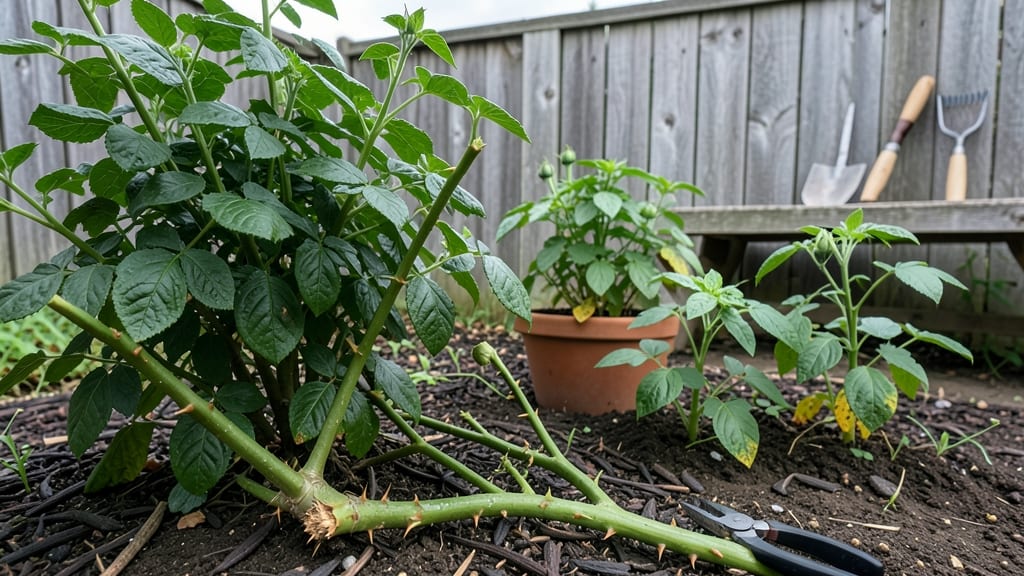
The PBS Garden Show provides expert-led seasonal planting guides that cover vegetable gardening, flower arrangements, and more, offering practical tips for gardeners of all skill levels. Hosted by Joe Lamp'l and horticulturists, each episode delivers science-backed techniques for year-round gardening success.
The PBS Garden Show stands out by blending hands-on demonstrations with real-world science, making complex gardening concepts accessible. 🌱 Whether you're curious about why certain plants thrive together or how to extend your growing season, the show breaks down regional challenges—like USDA hardiness zones—into actionable advice.
Host Joe Lamp'l’s engaging style keeps lessons memorable, while guest experts dive into everything from soil health to pest control. For me, the show’s biggest value lies in its ability to turn theory into tangible results, whether you’re a first-time gardener or a seasoned pro refining techniques.
What makes this resource especially useful is its focus on seasonal timing—like when to plant bulbs or how to prepare for winter container gardens. Each episode serves as a mini-masterclass, packed with tips you can apply immediately.
The show’s blend of education and inspiration has helped countless viewers transform their green spaces, no matter their starting point.
💡 In This Article
- How PBS Garden Show Hosts Break Down Plant Science
- Top PBS Garden Show Episodes for Your Region’s Growing Season
How PBS Garden show hosts break down plant science
Behind every planting recommendation on the show lies a foundation of botany and environmental science. Host Joe Lamp'l and his team don't just suggest planting marigolds with tomatoes—they explain how marigolds' limonene compounds disrupt nematode larvae, reducing root damage by up to 70% in controlled trials.
This is companion planting with measurable benefits, not just folklore. The show's approach treats gardening as a controlled ecosystem, where each plant's chemical interactions (like allelopathy) can either support or sabotage growth.
Seasonal timing becomes crystal clear when you see how they map USDA hardiness zones to specific plant life cycles.
For example, they'll show how peony roots need 6-8 weeks of cold dormancy (below 40°F) to bloom reliably, while tender perennials like cannas must be dug up before first frost (typically 28°F).
The show uses local climate data to explain why a zone 5 garden might succeed with Russian sage (hardy to -30°F) while zone 9 viewers should opt for Mexican bush sage, which thrives in 90-100°F heat.
Soil science gets the same rigorous treatment. They demonstrate how mycorrhizal fungi (beneficial soil microbes) can increase water absorption by 30-40% in sandy soils, which is why they recommend inoculating newly planted trees with these fungi.
The show even breaks down soil pH preferences—like how blueberries need pH 4.5-5.5 (acidic) while lavender thrives at pH 6.5-7.5 (neutral)—and shows how to test and amend soil using simple household items like vinegar and baking soda.
What makes their explanations so effective is the visual science they incorporate. You'll see time-lapse videos of seed germination showing how scarification (nickling seeds) breaks dormancy, or close-ups of transpiration (water vapor leaving leaves) that explain why mulch reduces watering needs by 30-50%.
Even pruning techniques get the scientific treatment—like how cutting at a 45-degree angle just above a bud increases water flow into the wound by 20%, promoting faster healing.
The show's practical applications come alive when they demonstrate seasonal layering. For spring, they'll show how cool-season crops (like lettuce) grow best when soil temps stay below 75°F, while warm-season crops (like tomatoes) need soil above 60°F to germinate.
Their winter container gardening segments explain how evergreen boughs create microclimates that protect tender plants from 30°F drops, while heat-retaining fabrics can extend fall harvests by 2-3 weeks.
What most viewers don't realize is how they connect plant anatomy to gardening practices. For instance, they'll explain how monocots (like onions) have fibrous roots that spread horizontally, making them drought-tolerant, while dicots (like carrots) have taproots that need consistent moisture.
This knowledge helps gardeners choose plants that match their watering habits and soil types—like selecting drought-tolerant succulents for sandy soils or water-loving irises for bog gardens.
The show's real magic happens when they translate these scientific principles into actionable, region-specific advice.
Whether it's showing how to build a cold frame that adds 10-15°F to soil temps or demonstrating how to mulch with straw to maintain 60-70°F soil temperatures for warm-season crops, their recommendations are always grounded in measurable outcomes. 🌿 This approach turns gardening from guesswork into a predictable, rewarding science anyone can master.