
Tools
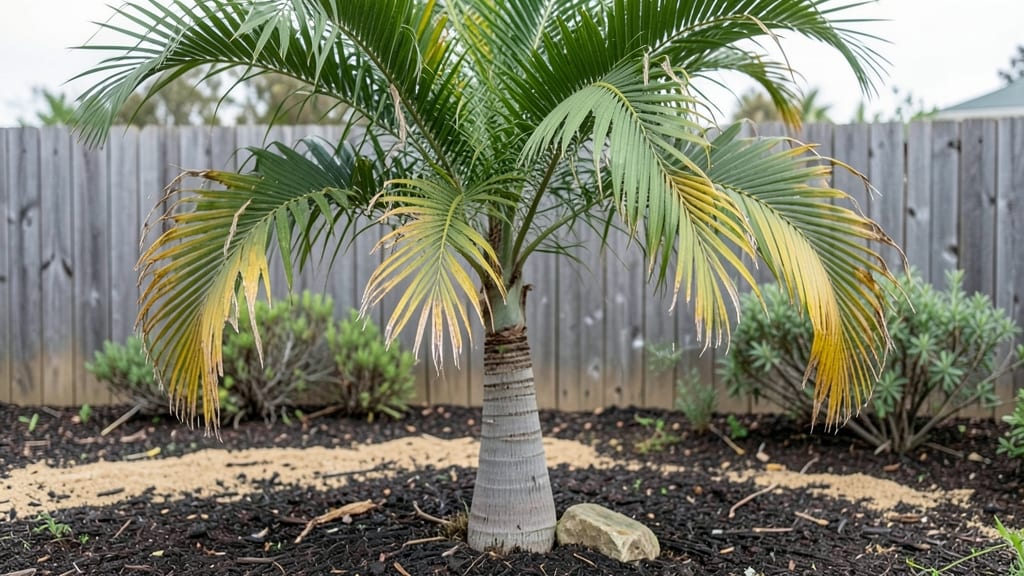
Creating a palm tree garden transforms any backyard into a sun-drenched escape. 🌴 I’ve designed these tropical spaces for clients who want that resort vibe without the travel, and the key is choosing the right palms for your climate while layering in textures that make it feel lush and intentional.
The first step isn’t picking plants—it’s mapping out how the light and space will work for your vision.
You don’t need a Florida-sized yard to pull this off. Smaller palms like the Mexican Fan Palm or Pygmy Date Palm thrive in pots, while larger varieties like the Canary Island Date Palm anchor the design in-ground.
Pair them with drought-tolerant ground covers—think mundgrass or liriope—to soften the look and keep maintenance simple. The goal is that effortless, "I woke up in paradise" feeling, even if you’re in Zone 7.
What you’ll end up with is a garden that feels like a vacation every time you walk through it. The rustling fronds catch the breeze, the golden trunks glow in the afternoon sun, and the scent of salt air (or at least the illusion of it) lingers in the breeze.
Plus, palms add year-round structure—no dead branches in winter, just steady, satisfying greenery. Let’s make your backyard the talk of the neighborhood.
This works for urban patios, suburban backyards, or even a single statement palm in a courtyard. The layout adapts to your space, whether you’re going for a tight, modern grove or a sprawling, freeform jungle. Here’s how to start visualizing yours.
📚 In This Guide
- What you need
- Instructions
- Tips and common mistakes
- Wrapping up and next steps
What you need
- ● Palm Trees: 3–5 mature or young palm trees (species like Areca, Kentia, or Dwarf Palmetto for smaller spaces; Coconut or Royal for bold statements). Pro tip: Check local climate zones to ensure hardiness! 🌡️
- ● Potting Soil: 5–10 bags of well-draining tropical blend soil (e.g., 60% peat/coir, 30% perlite, 10% sand). Avoid garden soil—it compacts too easily! 🌱
- ● Containers or Planting Holes: Containers: 1–3 large pots (15–25 gallons) with drainage holes, or
- ● In-ground: Dig holes twice as wide as the root ball and slightly shallower.
- ● Mulch: 2–3 bags of organic mulch (pine bark or coconut coir) to retain moisture and suppress weeds.
- ● Fertilizer: Slow-release palm-specific fertilizer (e.g., 8-2-12 NPK ratio) or liquid seaweed fertilizer for organic options.
- ● Basic Tools: Shovel or trowel
- ● Garden gloves
- ● Wheelbarrow (for soil transport)
- ● Watering can or hose with gentle spray nozzle (palms hate soggy roots!)
- ● Decorative Elements: Tropical-themed statues, bamboo fencing, or colorful lanterns to enhance the vibe.
- ● Drip Irrigation System: Automates watering and ensures consistent moisture (ideal for hot climates!).
- ● Palm-Safe Pest Control: Neem oil or insecticidal soap to deter pests like spider mites.
- ● Windbreaks: Bamboo screens or lattice if your area is breezy (palms can scorch in strong winds!).
- ● Companion Plants: Add hibiscus, bird-of-paradise, or orchids for a fuller tropical feel.
Step-by-step instructions for creating a palm tree garden
Transform your backyard into a lush tropical escape with these simple steps.
🌱 Step 1: Choose the Right Palm Varieties for Your Climate
Start by selecting palm trees suited to your USDA hardiness zone. For cooler climates, opt for cold-hardy varieties like the Windmill Palm or Needle Palm, which tolerate temperatures down to 10°F. In warmer zones, consider Coconut Palms or Royal Palms for that classic tropical look.
Check the mature height of each variety—some can reach 50 feet, while dwarf palms stay under 10 feet. I always measure my space first to avoid overcrowding. Plant smaller palms in clusters for a natural, fuller appearance, spacing them 10-15 feet apart for proper airflow and growth.
🪴 Step 2: Prepare the Planting Site and Soil
Palms thrive in well-draining soil, so avoid low-lying areas where water pools. Amend heavy clay soil with 3 inches of compost and 2 inches of coarse sand to improve drainage. For sandy soil, mix in 2 inches of peat moss to retain moisture.
Dig holes twice as wide as the root ball but only as deep as the container the palm came in. Loosen the soil at the bottom of the hole with a garden fork to encourage root spread. Place a 3-inch layer of gravel at the bottom of the hole to prevent waterlogging.
☀️ Step 3: Plant Palms Correctly for Long-Term Health
Remove the palm from its container and gently loosen the roots if they’re circling. Position the palm so the top of the root ball sits 1-2 inches below the soil line—this prevents stem rot from sitting water. Backfill with native soil mixed with compost, tamping lightly as you go.
Water deeply after planting to settle the soil and eliminate air pockets. Mulch around the base with 2-3 inches of organic mulch, keeping it 6 inches away from the trunk to prevent moisture buildup. Avoid heavy mulch like wood chips, which can smother roots—opt for pine straw or shredded bark instead.
💧 Step 4: Water and Fertilize for Strong Growth
Newly planted palms need 1-2 inches of water weekly, but established palms prefer drought-like conditions. Water deeply once a week during dry spells, letting the soil dry out between waterings. Overwatering is the #1 killer of palms—always check soil moisture by sticking your finger 2 inches deep before watering.
Fertilize in early spring with a palm-specific fertilizer (look for one with magnesium and potassium). Apply half the recommended dose the first year, then follow package instructions. I avoid high-nitrogen fertilizers—they promote leafy growth at the expense of trunk strength.
✂️ Step 5: Prune and Maintain for a Tropical Look
Remove dead or yellowing fronds by cutting them at the base with clean, sharp pruners. Never remove more than one-third of the fronds at once—palms use them for photosynthesis. Prune in late winter or early spring before new growth begins.
Watch for pests like palm weevils or spider mites. Treat infestations early with neem oil or insecticidal soap. I also inspect trunks annually for signs of weevil damage—tiny holes or sawdust-like frass mean it’s time to act fast. With proper care, your palm garden will flourish for years.
Tips & tricks for perfect palm tree garden design
A few simple tricks can make all the difference between a struggling palm garden and a thriving tropical oasis.
Climate Matching: The 10°F cold tolerance of Windmill Palms or Needle Palms is critical for northern climates. For those in warmer zones, Coconut Palms need consistent heat—plant them where they’ll get full sun year-round. I always check the mature height too; a 50-foot Royal Palm will dwarf your backyard if you don’t measure first!
Soil Secrets: That 3-inch layer of gravel at the bottom of planting holes is a game-changer for drainage. I’ve seen palms rot when planted in heavy clay without this step. For sandy soil, mix in 2 inches of peat moss—it’s like giving your palms a moisture sponge without waterlogging them. Always loosen the bottom soil with a fork too; roots need room to spread.
Planting Precision: Positioning the root ball 1-2 inches below soil level prevents stem rot—this is non-negotiable. I’ve learned this the hard way after losing two palms to water pooling at the base. And that 10-15 feet spacing between palms? It’s not just about looks; proper airflow prevents fungal diseases that can wipe out your garden.
Watering Wisdom: The 1-2 inches weekly rule for new palms is strict, but established palms actually hate overwatering. I use the finger test—stick your finger 2 inches deep before watering. If it’s damp, wait another day. And that 6-inch mulch clearance from the trunk? Essential to prevent rot. Pine straw works best—it’s lightweight and lets air circulate.
Pro Tips for Palm Tree Garden
- A few simple tricks can make all the difference between a struggling palm garden and a thriving tropical oasis.
- Climate Matching: The 10°F cold tolerance of Windmill Palms or Needle Palms is critical for northern climates.
- Soil Secrets: That 3-inch layer of gravel at the bottom of planting holes is a game-changer for drainage.
Frequently asked questions
Got questions about creating your dream palm tree garden? You’re not alone—designing a tropical oasis takes planning! Here are answers to the most common queries to help you get started with confidence.
What’s the best climate for a palm tree garden?
A palm tree garden thrives in USDA hardiness zones 8–11, where temperatures stay above 20°F (-7°C) year-round. Cold-hardy varieties like Windmill Palm or Needle Palm can survive in zones 6–7, but expect slower growth. If you’re in a colder zone, opt for dwarf palms or container-grown trees for flexibility.
How much does it cost to start a palm tree garden?
Costs vary widely! A small garden with 3–5 young palms (3–6 ft tall) may run $150–$500, while mature trees (10+ ft) can cost $300–$1,500+ each. Factor in soil amendments ($50–$150), mulch ($30–$100), and irrigation upgrades ($100–$300). DIY-ers save money, but professional landscapers charge $50–$150/hour for planting and design.
How long does it take for a palm tree garden to mature?
Palms grow at different rates—dwarf palms (like Pygmy Date) mature in 3–5 years, while fast growers like Mexican Fan Palm reach full height (20–30 ft) in 10–15 years. Patience is key! Prune regularly to encourage fuller growth, and expect vibrant foliage within 2–3 years for most species.
Can I grow a palm tree garden in a small space?
Dwarf palms (under 6 ft tall) or container-friendly varieties like Parlor Palm or Ponytail Palm thrive in patios, balconies, or even indoors near bright windows. Use large pots (15+ gallons) with drainage holes and tropical soil mixes. For ground planting, group 3–5 small palms in a corner or along a fence for a lush, compact look.
What are common mistakes to avoid when planting palms?
- Poor drainage: Palms hate soggy roots—amend clay soil with sand or gravel and elevate containers.
- Over-pruning: Only remove dead fronds or brown tips; trimming healthy fronds stresses the tree.
- Wrong location: Avoid windy spots (palms are shallow-rooted) and areas with overhead power lines.
- Ignoring pests: Watch for palm weevils or spider mites—treat early with neem oil or insecticidal soap.
Still unsure? Start small, research your local palm species, and don’t hesitate to consult a nursery expert for tailored advice!
Wrapping up and next steps
Creating a palm tree garden is all about transforming your backyard into a serene tropical escape—no matter how big or small your space! 🌴 With the right plants, materials, and a dash of creativity, you can craft an oasis that feels like a vacation every day.
The key is to start small, stay consistent, and let nature do the rest.
Ready to bring your vision to life? Pick a sunny spot, gather your supplies, and plant those palm trees today! Whether you’re adding a single statement tree or designing a full-blown jungle vibe, your backyard will thank you. Happy gardening! 🌿