
Landscaping
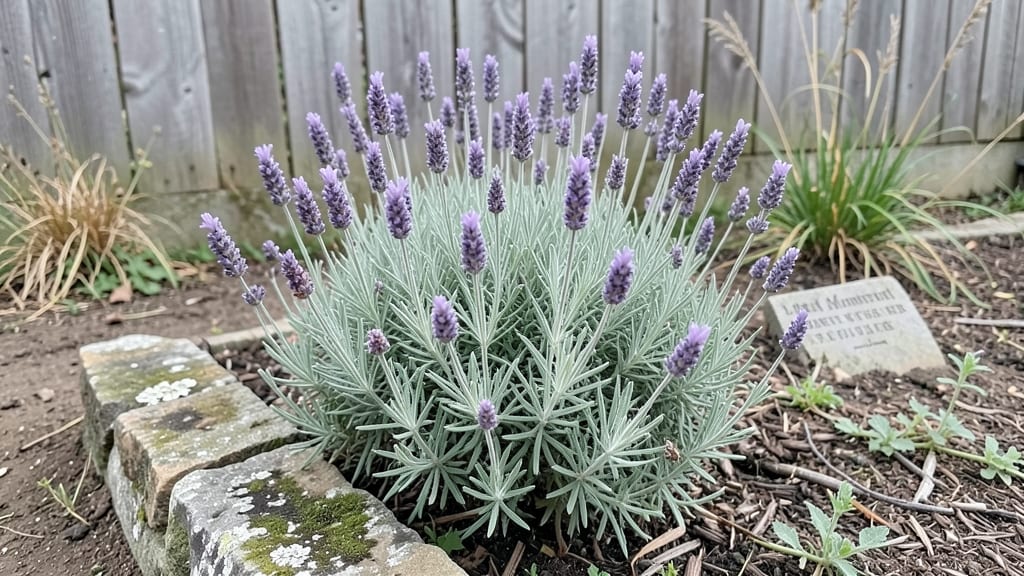
A memorial garden design becomes more than landscaping—it’s a living tribute where every plant tells their story. 🌿 I’ve designed spaces where the scent of lavender brings back laughter, and the rustle of ornamental grasses whispers memories to the wind.
This isn’t just about aesthetics; it’s about creating a sanctuary where visitors can sit, reflect, and feel connected to someone who’s no longer here.
The key lies in blending practical elements with deep meaning. Start with evergreens for year-round presence—think boxwoods or yews—and layer in flowers like lilies (symbolizing rebirth) or roses (for enduring love).
A winding path made of natural stone invites quiet walks, while a simple engraved bench offers a place to pause. Materials like weathered wood, smooth river rocks, and soft solar-powered lanterns add texture and warmth without overwhelming the space.
What you’ll end up with is a place that grows more meaningful over time. The first spring blooms mark a new season, the autumn leaves rustle with familiar stories, and the scent of the garden becomes tied to cherished moments.
It’s not about perfection—it’s about creating a space that feels like them, where every visit becomes a quiet conversation.
Whether you’re working with a small urban plot or a sprawling backyard, the principles stay the same: start with what matters most to their memory, then build around it. The most successful memorial gardens aren’t the most elaborate—they’re the ones that feel like home. Let’s make yours unforgettable.
📚 In This Guide
- What you need
- Instructions
- Tips and common mistakes
- Wrapping up and next steps
What you need
- ● Soil & Amendments: Topsoil (2–3 cubic yards, depending on garden size)
- ● Compost or organic matter (1–2 bags) for nutrient-rich soil
- ● Mulch (3–5 bags) to retain moisture and suppress weeds
- ● Plants & Flora: Perennials (e.g., lavender, roses, or coneflowers—5–10 plants)
- ● Evergreens (e.g., boxwood or juniper—3–5 shrubs for year-round greenery)
- ● Ornamental grasses (3–5 clumps for texture and movement)
- ○ Optional: Flowering annuals (e.g., marigolds or pansies—10–20 plants for seasonal color)
- ● Hardscape Elements: Paver stones or bricks (quantity based on path/patio size—check local suppliers for estimates)
- ● Gravel (1–2 bags for pathways or borders)
- ● Bench or seating (1–2, weather-resistant materials like teak or metal)
- ● Memorial plaque or engraved stone (1, customizable)
- ● Tools: Shovel and spade (1 each)
- ● Garden trowel (1)
- ● Wheelbarrow (1, for hauling materials)
- ● Pruners (1 pair)
- ● Level and measuring tape (1 each)
- ● Safety gloves and knee pads (1 pair each)
- ● Wind chimes or solar-powered lights for ambiance
- ● Personalized garden markers (e.g., engraved stones with names/dates)
- ● Water feature (small fountain or birdbath)
- ● Scented plants (e.g., jasmine or gardenia for fragrance)
- ● Outdoor rug or decorative lanterns for coziness
How to design a memorial garden that honors a loved one
Here's how to create a peaceful, personal space that reflects their spirit and brings comfort.
🪴 Step 1: Choose a Meaningful Location
Select a spot that feels special—perhaps where they enjoyed time outdoors, near a window they loved, or under a tree they cherished. The location should be easily accessible for visits but also offer quiet solitude. I always check the sunlight patterns throughout the day to ensure the space feels warm and inviting during the times you'll visit most.
Consider the view from the garden—will it frame a favorite landscape feature, like a mountain or garden path? Think about how the space connects to the rest of your home or yard. A well-placed bench or stone seating area can make the garden feel like an extension of your home, not just an afterthought.
☀️ Step 2: Select Plants That Hold Personal Significance
Choose plants that held meaning in their life or represent qualities they admired—like resilience, beauty, or peace. I often include a mix of their favorite flowers, hardy perennials that return year after year, and perhaps a small tree if they loved the shade. For example, lavender can symbolize devotion, while sunflowers might represent joy and positivity.
Consider low-maintenance options if the garden will be visited regularly but not tended daily. Drought-tolerant plants like succulents or ornamental grasses require less watering, while fragrant herbs like rosemary or thyme can add sensory comfort. Arrange plants in odd-numbered groupings (3, 5, or 7) for a natural, balanced look.
🌿 Step 3: Incorporate Personalized Elements
Add elements that reflect their personality—perhaps a favorite piece of art, a custom stone engraved with their name or a meaningful quote, or a small fountain for soothing sounds. I’ve seen gardens with wind chimes that played their favorite melody or benches shaped like their initials. Even small touches, like a painted rock or a handwritten note tucked into a planter, can make the space uniquely theirs.
Lighting is another powerful way to honor their memory. Solar-powered path lights or soft string lights can create a warm, welcoming glow in the evening. Place them along pathways or around seating areas so the garden feels safe and inviting even after dark.
✂️ Step 4: Create a Focal Point for Reflection
Designate a central feature where visitors can sit, reflect, or simply be still. This could be a bench, a small table with a photo album, or a simple stone with their name. I like to include a place for visitors to leave notes or small mementos, like a framed photo or a handwritten letter. Keep this area uncluttered but intentional—it should feel like a sacred space.
Surround the focal point with plants that thrive in the area’s climate and require minimal upkeep. For example, hostas or ferns add lush greenery with little effort, while flowering plants like peonies or roses can bloom beautifully with seasonal care. Mulch the area with 3 inches of organic mulch to retain moisture and suppress weeds, making maintenance easier over time.
💧 Step 5: Maintain the Garden as a Living Tribute
Plan for ongoing care that feels manageable. I recommend setting a schedule for watering, weeding, and seasonal cleanups—perhaps tying it to a special day like their birthday or anniversary. Involve family or friends in the upkeep; it can be a meaningful way to keep their memory alive together.
Consider adding a small plaque or sign with their name and dates to mark the garden officially. You might also include a brief description of their life or a favorite quote. Over time, the garden will evolve, but its purpose remains the same—a place to remember, reflect, and feel connected to their legacy.
Tips & tricks for memorial garden design
Creating a meaningful memorial garden takes thoughtful planning—here are the details that elevate a beautiful space into something truly special.
Location Matters: Take your time choosing the spot in Step 1. Walk through the area at different times of day to observe how sunlight shifts. Morning light creates a calm atmosphere, while afternoon sun may be too harsh for delicate plants. I always check if the location offers seasonal views—like blooming trees in spring or mountain vistas in winter—that will change throughout the year.
Plant Selection Strategy: When selecting plants in Step 2, consider their symbolic meanings and seasonal interest. For example, lavender represents devotion while sunflowers symbolize joy—choose plants that reflect their personality. I recommend including at least one evergreen plant for year-round structure, as it provides visual continuity when other plants may be dormant.
Personal Touches That Speak Volumes: In Step 3, think about sensory elements that will create lasting memories. The sound of wind chimes or the fragrance of rosemary can be just as meaningful as visual elements. I've seen incredible gardens with engraved stones that include their favorite Bible verse or poem, or even a small fountain with water that creates soothing sounds. These details make the space uniquely theirs.
Focal Point Essentials: For Step 4, remember that less is often more when creating a focal point. A simple stone with their name or a single bench surrounded by their favorite flowers can be more powerful than elaborate decorations. The key is to create a space that invites quiet reflection—perhaps with a small table where visitors can place photos or write notes. The 3 inches of organic mulch mentioned will help maintain this sacred space with minimal effort.
Pro Tips for Memorial Garden Design
- Creating a meaningful memorial garden takes thoughtful planning—here are the details that elevate a beautiful space into something truly special.
- Location Matters: Take your time choosing the spot in Step 1.
- Plant Selection Strategy: When selecting plants in Step 2, consider their symbolic meanings and seasonal interest.
Frequently asked questions
Got questions about creating a memorial garden? Here are some of the most common concerns—and answers—to help you design a space that truly honors your loved one.
How soon after a loss can I start planning a memorial garden?
There’s no strict timeline, but many people begin planning within a few weeks to months after a loss. If you’re not ready emotionally, take your time—this garden will be there for years to come. Start with sketches or a vision board to ease into the process.
What if I’m not sure what my loved one would have wanted?
Focus on what feels meaningful to you—whether it’s their favorite flowers, a quiet bench, or a spot for family gatherings. Include small personal touches like a plaque with their name, a favorite quote, or even a recording of their voice hidden in a solar-powered speaker. The garden is a tribute to their memory, not a replica of their taste.
Are there low-maintenance options for memorial gardens?
Opt for native plants (they’re drought-resistant and support local wildlife), drought-tolerant ground covers, or mulch to reduce weeding. A simple gravel path or stepping stones can add elegance without upkeep. Consider adding a small fountain or wind chime for ambiance with minimal effort.
Should I plant flowers or shrubs that bloom year-round?
It depends on your climate and goals. Perennials (like lavender or coneflowers) return yearly, while annuals (like marigolds) offer vibrant bursts of color but die back in winter. Mix both for seasonal interest, or choose evergreens (e.g., boxwood or holly) for year-round structure. A small evergreen tree can also provide lasting greenery.
What if I realize later that I made a mistake in the design?
Garden designs can evolve! Start with a flexible layout—use temporary markers or gravel paths that can be adjusted. If you plant something that doesn’t thrive, replace it gradually. Many memorial gardens grow and change over time, reflecting new memories and healing.
Still unsure? Sketch a rough layout or consult a local landscaper for personalized advice. Every detail will make the space uniquely yours.
Wrapping up and next steps
Designing a memorial garden is more than just landscaping—it’s a deeply personal way to honor and celebrate the life of someone special. 🌿 By thoughtfully blending meaningful elements like symbolic plants, personalized touches, and peaceful spaces, you create a lasting tribute that reflects their story.
Whether you’re just starting or refining your vision, every detail contributes to a space that feels uniquely theirs.
Ready to bring your memorial garden to life? Start small—sketch a rough layout, gather a few key materials, or even plant a single meaningful tree. The most beautiful gardens grow from heartfelt intentions, so trust your instincts and let the process unfold naturally. You’re already doing an incredible thing. 💛