
Landscaping
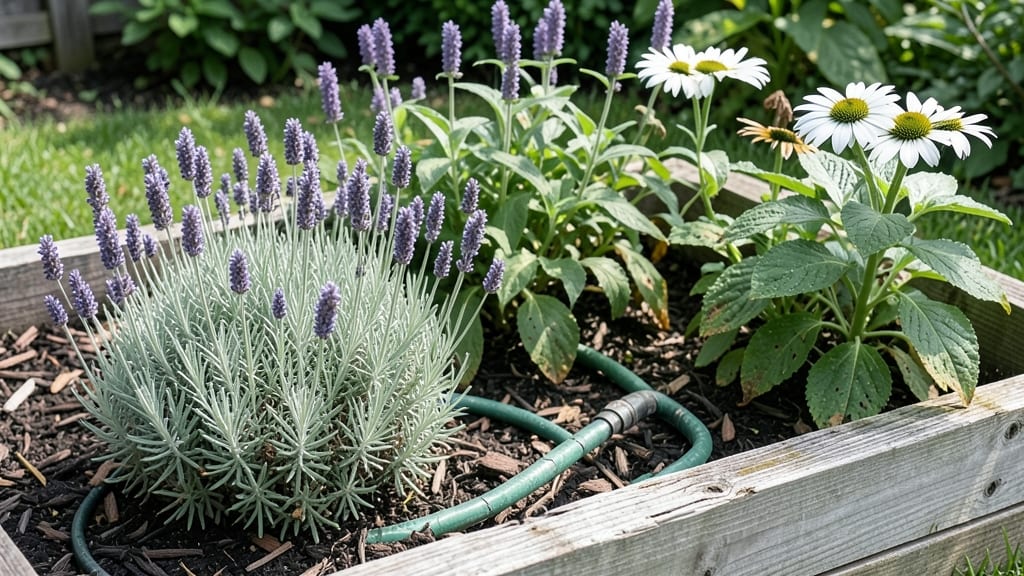
This outdoor garden idea—a simple, lush privacy screen—turned my chaotic backyard into a serene escape, all without fences or fuss. The secret lies in layering evergreens, ornamental grasses, and seasonal bloomers that block views while keeping the space lush year-round.
I’ll show you exactly which plants work best for your climate, plus how to arrange them so they grow together effortlessly.
This isn’t about spending hours pruning or replacing dead plants every spring. I designed mine to thrive with minimal care: drought-tolerant shrubs, slow-growing perennials, and grasses that sway without needing attention.
The key is choosing plants that naturally fill vertical space—think boxwoods, holly, or even bamboo if you want height fast. You’ll get instant privacy without the upkeep of a traditional hedge.
Picture this: a year-round green wall that stays vibrant through winter, filters wind in summer, and never looks sparse. The best part? You can customize it for shade or sun, small yards or large backdrops.
I’ll walk you through plant pairings that work in zones 5-9, plus how to space them for maximum impact with minimal effort. No more sacrificing beauty for practicality—this screen does both.
Whether you’re hiding a neighbor’s view, creating a cozy patio nook, or just adding structure to an open space, this design adapts. I’ll even share how to add climbing roses or clematis later if you want seasonal color without extra work.
Let’s make your outdoor space feel like a private escape.
Root Causes Of Failing Privacy Screens
Understanding why some privacy screens thrive while others struggle helps you design a low-maintenance, year-round green barrier. Here’s a breakdown of the key factors:
The foundation of any plant’s health starts underground. If your soil lacks proper nutrients, drainage, or the right pH balance, even the hardiest plants will struggle.
- Compacted or Waterlogged Soil 💦 Heavy clay or poorly draining soil suffocates roots, cutting off oxygen and leading to root rot.
Plants like boxwoods or bamboo (common privacy screen choices) can’t establish strong root systems, making them vulnerable to disease and pests. - Actionable Fix: Amend soil with organic matter (compost, peat moss) and consider raised beds or gravel layers for better drainage.
- Nutrient-Deficient Soil 🌿 Plants need nitrogen (for leaf growth), phosphorus (for root development), and potassium (for overall health).
If your soil is depleted, new growth will be weak, and plants may yellow or drop leaves. - Actionable Fix: Conduct a soil test (available at garden centers) and add slow-release fertilizers like osmocote or organic options like fish emulsion in early spring.
- Incorrect pH Levels 🧪 Most privacy screen plants prefer slightly acidic to neutral soil (pH 6.0–7.0).
If your soil is too alkaline (high pH) or acidic (low pH), essential nutrients like iron or manganese become unavailable, causing stunted growth or chlorosis (yellowing between leaf veins). - Actionable Fix: Adjust pH with lime (to raise pH) or sulfur (to lower pH), following package instructions.
Privacy screens need the right amount of sunlight to photosynthesize and grow. Too much or too little can derail their performance.
- Over-Shading 🌳 Tall trees or buildings blocking sunlight can weaken plants like arborvitae or holly, leading to leggy, sparse growth.
These plants may stretch toward light, becoming weak and prone to breakage. - Actionable Fix: Choose shade-tolerant varieties (e.g., inkberry holly or emerald green arborvitae) or supplement with grow lights if space is extremely limited.
- Excessive Sun Exposure 🔥 Some plants, like bamboo or evergreen shrubs, can scorch in full, hot sunlight, especially in dry climates.
This causes leaf browning, wilting, or even plant death. - Actionable Fix: Opt for drought-resistant species (e.g., leucadendron or drought-tolerant boxwood) and mulch heavily to retain moisture.
Watering is both an art and a science—too much or too little can spell disaster for your privacy screen.
- Underwatering 🌵 Newly planted screens need consistent moisture to establish roots. Skipping watering can lead to wilting, leaf drop, or even death within weeks.
Evergreens, in particular, dry out quickly in hot weather. - Actionable Fix: Water deeply 2–3 times per week for the first year, then taper to 1–2 times per week once established. Use drip irrigation for even distribution.
- Overwatering 🌧️ Soggy soil deprives roots of oxygen, inviting fungal diseases like root rot.
This is especially risky in clay-heavy soils or areas with poor drainage. - Actionable Fix: Improve drainage with sand or gravel amendments and water only when the top 2 inches of soil are dry. Avoid watering in the evening to prevent fungal growth.
Unchecked pests and pathogens can defoliate, weaken, or kill your privacy screen before it matures.
- Common Pests 🐛 - Spider Mites (tiny, web-spinning pests that suck plant juices, causing yellowing and stippling). - Bagworms (larvae that create silk bags on evergreens, stripping foliage). - Japanese Beetles (voracious chewers that devour leaves overnight). - Actionable Fix: Use neem oil or insecticidal soap for mild infestations.
For severe cases, introduce beneficial nematodes or consult a local extension service for targeted treatments.
- Fungal Diseases 🍄
- Powdery Mildew (white, powdery coating on leaves, caused by humidity and poor airflow).
- Root Rot (soft, mushy roots from overwatering or poor drainage).
- Actionable Fix: Prune for airflow, avoid overhead watering, and apply copper fungicide preventatively. Remove infected plants immediately to prevent spread.
Not all plants thrive in every climate or soil type. Choosing the wrong species for your conditions sets you up for failure.
- Climate Mismatch ❄️☀️ Planting tropical species (e.g., bamboo) in freezing zones or delicate perennials in harsh, windy areas will lead to winter dieback or storm damage.
- Actionable Fix: Research USDA hardiness zones and select native or well-adapted plants (e.g., eastern red cedar for Zone 4–9 or leucadendron for Zone 7–10).
- Growth Habit Misalignment 📏 Fast-growing vines (e.g., ivy or morning glory) may smother slower-growing shrubs, while slow-growing trees (e.g., crepe myrtle) won’t provide quick privacy.
- Actionable Fix: Match growth rates and spacing—e.g., bamboo (fast, clumping) for quick coverage or arborvitae (moderate) for balanced growth.
Wind, extreme temperatures, and urban pollution can take a toll on even the hardiest plants.
- Wind Damage 💨 Strong winds desiccate leaves (causing browning) and physically break branches, especially in tall, narrow screens like arborvitae.
- Actionable Fix: Plant windbreaks (e.g., evergreen hedges or shrubs) on the windward side or choose flexible, sturdy plants like willow or privet.
- Salt or Pollution Stress 🏙️ Coastal areas or urban environments expose plants to salt spray or air pollution, which can cause leaf burn or stunted growth.
- Actionable Fix: Use salt-tolerant species (e.g., sea grape or salt-tolerant boxwood) and rinse foliage with fresh water during dry spells.
Neglecting pruning leads to overgrowth, disease, and an unkempt appearance. Even low-maintenance plants need occasional care.
- Overgrowth and Crowding 🌿🌿 Unpruned plants develop thick, dense centers with poor airflow, inviting pests and disease. Branches may also become weak and prone to snapping. - Actionable Fix: Prune 2–3 times per year to remove dead wood, shape the plant, and thin out crowded branches.
Use sharp, sterilized tools to avoid spreading disease.
- Ignoring Dead or Diseased Branches ⚠️ Leaving dead wood or infected foliage allows pathogens to spread. For example, boxwood blight can devastate a hedge if not caught early.
- Actionable Fix: Inspect plants monthly and remove affected branches immediately, disposing of them in sealed bags.
Most privacy screen failures boil down to soil, sunlight, water, pests, and plant choice. By addressing these root causes upfront—through soil testing, strategic plant selection, and consistent care—you’ll create a lush, year-round green barrier that requires minimal effort. 🌿✨
How to solve it
Creating a lush, low-maintenance privacy screen doesn’t have to be a high-stakes gardening project—just a few strategic tweaks can turn your outdoor space into a serene retreat. Below, we’ve mapped out common challenges and practical solutions to keep your garden thriving year-round.
Plus, we’ll share pro tips to prevent future headaches so you can enjoy your green oasis without the stress.
🌱 Problem: Slow or Uneven Growth
If your plants are growing at a snail’s pace or sprouting unevenly, the issue is likely tied to soil quality, sunlight exposure, or watering habits. Here’s how to fix it:
- 🔥 Test Your Soil: Conduct a simple pH test (available at garden centers). Most evergreens and shrubs thrive in slightly acidic to neutral soil (pH 6.0–7.0). If your soil is too alkaline or compacted, amend it with compost or peat moss to improve drainage and nutrient absorption.
- 🍳 Feed the Roots: Apply a slow-release granular fertilizer (like 10-10-10) in early spring and again in midsummer. For organic options, try fish emulsion or worm castings. Avoid over-fertilizing—it can burn roots!
- 👨🍳 Adjust Watering: Most privacy screens need 1–1.5 inches of water per week, either from rain or manual watering. Use a soaker hose or drip irrigation to deliver water directly to the root zone, reducing evaporation and runoff.
- 🌡️ Monitor Sunlight: If your plants are leggy or sparse, they might need more light. Trim nearby trees or relocate slower-growing varieties (like Arborvitae) to sunnier spots. For shady areas, opt for Holly or Boxwood, which tolerate lower light.
💡 Prevention Tip: Mulch around the base of your plants with 3–4 inches of wood chips or shredded bark to retain moisture, regulate soil temperature, and suppress weeds. Replenish mulch annually.
🐜 Problem: Pest or Disease Infestations
Bugs, fungi, or bacterial spots can turn your privacy screen into a sad, sparse mess. Act fast with these targeted solutions:
| Pest/Disease | Signs | Fix It |
|---|---|---|
| Spider Mites | Yellowing leaves, fine webbing on undersides | Spray plants with a neem oil solution (1 tbsp neem oil + 1 tsp mild soap per quart of water) every 5–7 days. Increase humidity with a mist spray. |
| Bagworms | Small, brownish "bags" hanging from branches | Handpick bags and drop them in soapy water. For severe infestations, use Bt (Bacillus thuringiensis), a natural bacterial spray. |
| Fungal Leaf Spot | Dark spots with yellow halos, often in humid weather | Prune infected leaves immediately. Apply copper fungicide or a baking soda spray (1 tbsp baking soda + 1 quart water + a drop of soap) weekly until new growth appears. |
| Aphids | Sticky residue (honeydew), curled leaves | Blast them off with a strong spray of water. Introduce ladybugs or lacewings (natural predators) or use insecticidal soap. |
🎯 Prevention Tip: Prune for airflow—thin out dense branches to reduce humidity and discourage fungal growth. Water early in the morning to let foliage dry quickly. Rotate plants annually to avoid soil-borne diseases.
❄️ Problem: Winter Damage or Browning
Frost, dehydration, or harsh winds can leave your privacy screen looking like a sad, crispy hedge. Revive it with these steps:
- 🔪 Trim Dead Growth: In late winter or early spring, prune back any brown, brittle branches. Use clean, sharp shears to avoid tearing the plant.
- 💧 Hydrate Before Freeze: Water deeply before the first hard frost to ensure roots are hydrated. Mulch heavily (up to 6 inches) to insulate roots.
- 🏠 Protect Young Plants: Wrap tender evergreens (like Leyland Cypress) in burlap or frost cloth during extreme cold snaps. Avoid plastic—it can trap moisture and cause rot.
- 🌿 Fertilize in Spring: Wait until after the last frost to fertilize. Use a balanced, slow-release fertilizer to encourage new growth.
✨ Prevention Tip: Choose cold-hardy varieties like Emerald Green Arborvitae (Zone 3–8) or Inkberry Holly (Zone 5–9) for built-in resilience. Avoid over-fertilizing in fall—it can stimulate tender new growth that won’t survive winter.
🌿 Problem: Overcrowding or Gaps
If your privacy screen has unsightly gaps or looks too cramped, it’s time to thin out or strategically fill in. Here’s how:
- 🔪 Prune Strategically: Step back and identify overlapping branches or plants that are outcompeting neighbors. Thin from the inside out—remove branches closest to the center to improve airflow and light penetration.
- 🌱 Add Filler Plants: For quick coverage, interplant fast-growing shrubs like Nandina or Dwarf Fothergilla between existing plants. Choose varieties with similar water and light needs.
- 📏 Check Spacing: Most privacy screens need 3–6 feet between plants at maturity. If gaps are wider, consider transplanting or adding a second row of smaller shrubs.
- 🎨 Layer for Texture: Mix tall evergreens (like Thuja) with medium-height shrubs (like Pieris) and ground covers (like Creeping Juniper) for a fuller look.
💡 Prevention Tip: Plan your layout with maturity sizes in mind. Sketch a simple grid before planting, marking each plant’s adult width and height. This avoids the "too-little-too-late" syndrome!
Frequently asked questions
What’s the fastest way to create a privacy screen without planting?
Use temporary bamboo screens or privacy lattice panels filled with climbing vines like jasmine or clematis. These can provide instant coverage while you establish permanent plantings. For a no-plant solution, try retractable fabric screens that roll up when not in use.
How do I choose plants that thrive in my specific climate?
Start by checking your USDA hardiness zone (find it via the USDA Plant Hardiness Zone Map). For example, arborvitae works in zones 3–8, while leucadendron thrives in zones 7–10. Native plants are your best bet—they’re already adapted to local conditions and require less water.
Can I mix evergreens with flowering plants for year-round color?
Pair evergreen shrubs (like boxwood or holly) with seasonal bloomers such as azaleas (spring), clematis (summer), or camellias (winter). Just ensure flowering plants won’t outcompete your evergreens—space them strategically and prune regularly to maintain balance.
How often should I prune my privacy screen?
Light maintenance pruning 2–3 times per year (spring, summer, and early fall) keeps your screen looking neat. For fast-growing plants like bamboo, prune monthly to control spread. Always use sharp, sterilized tools to prevent disease, and avoid heavy pruning in late fall or winter.
What’s the best mulch to use for a low-maintenance screen?
Use 3–4 inches of wood chips or shredded bark—it retains moisture, suppresses weeds, and slowly breaks down to enrich soil. For drought-prone areas, try gravel or rubber mulch to reduce water evaporation. Avoid organic mulches like straw if you have fungal concerns in your climate.