
Vegetables
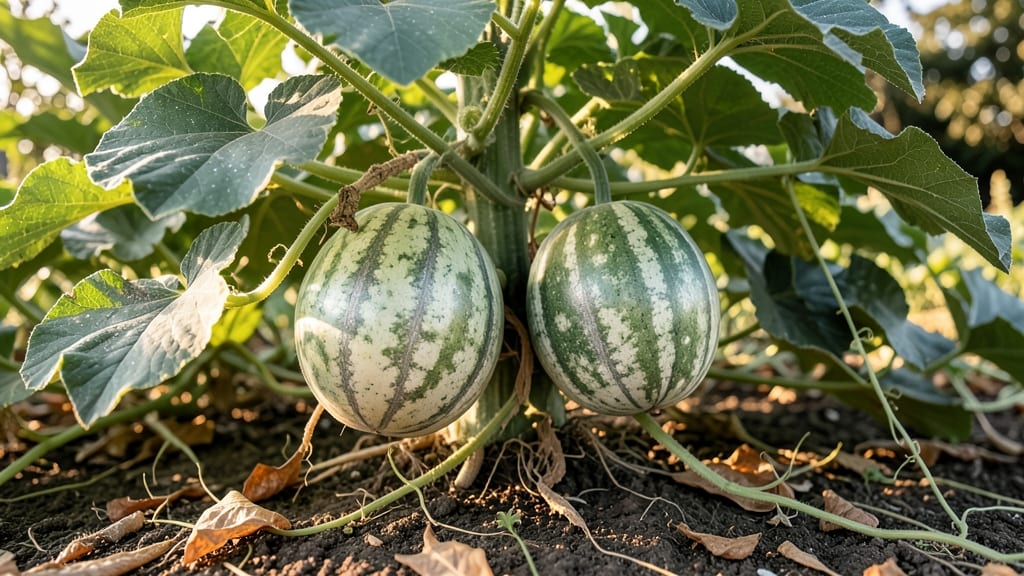
Revive lost flavors and biodiversity with these 10 organic heirloom gardens featuring rare, non-GMO varieties that thrive naturally. Perfect for homesteaders, permaculture enthusiasts, and gardeners seeking authentic, sustainable harvests.
Black Krim Tomato Garden
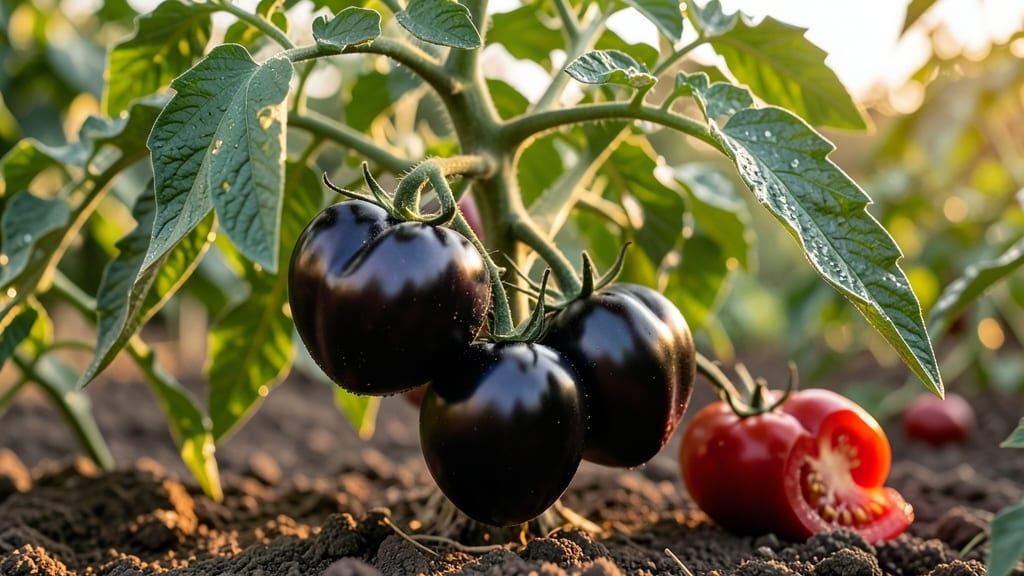
Looking for a tomato that’s as dramatic as it is delicious? The Black Krim—a 19th-century heirloom—gives you deep purple-black fruits so rich in lycopene they’re practically a superfood. This variety thrives in warm climates and resists common tomato diseases like blight, making it a dream for organic gardeners who refuse to compromise on flavor or health.
Plant seeds directly in well-draining soil after the last frost when temperatures stay above 60°F. Stake or cage plants early to support their indeterminate vines, which can grow 6–8 feet tall. Water consistently at the base to prevent fungal issues, and harvest when fruits reach full color—80–90 days after planting. The flavor? Sweet, smoky, and complex, with a texture that’s both firm and juicy.
Perfect for gardeners who want bold flavors without pesticides, the Black Krim also handles heat better than many heirlooms, making it ideal for Southern climates or urban rooftop gardens. Plus, saving seeds is easy—just let a few fruits fully ripen on the vine. 🌟
Cherokee Purple Eggplant Patch
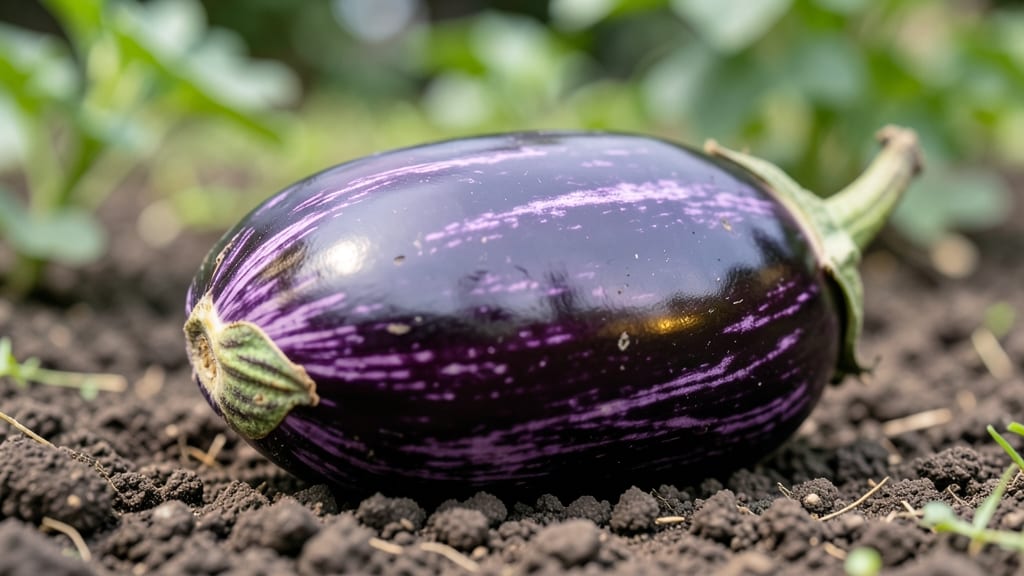
If you crave an eggplant variety that’s as visually stunning as it is resilient, the Cherokee Purple is your heirloom answer. This pre-Columbian heirloom boasts lavender skin with creamy, nutty flesh—a showstopper in any garden or kitchen—while thriving in drought conditions and fending off pests naturally.
Plant seeds directly in well-draining soil after the last frost, spacing them 24 inches apart to accommodate sprawling vines. Unlike commercial varieties, Cherokee Purple doesn’t require heavy fertilization—compost or worm castings are enough to fuel its growth. Harvest when the skin deepens to a rich purple, around 80-90 days from planting.
This variety’s restaurant-quality flavor and pest resistance make it ideal for organic gardeners who want minimal intervention. Perfect for small homesteads or urban plots, it’s a true heirloom gem that rewards patience with bold, flavorful results. 🌟
Amarillo Chili Pepper Plants
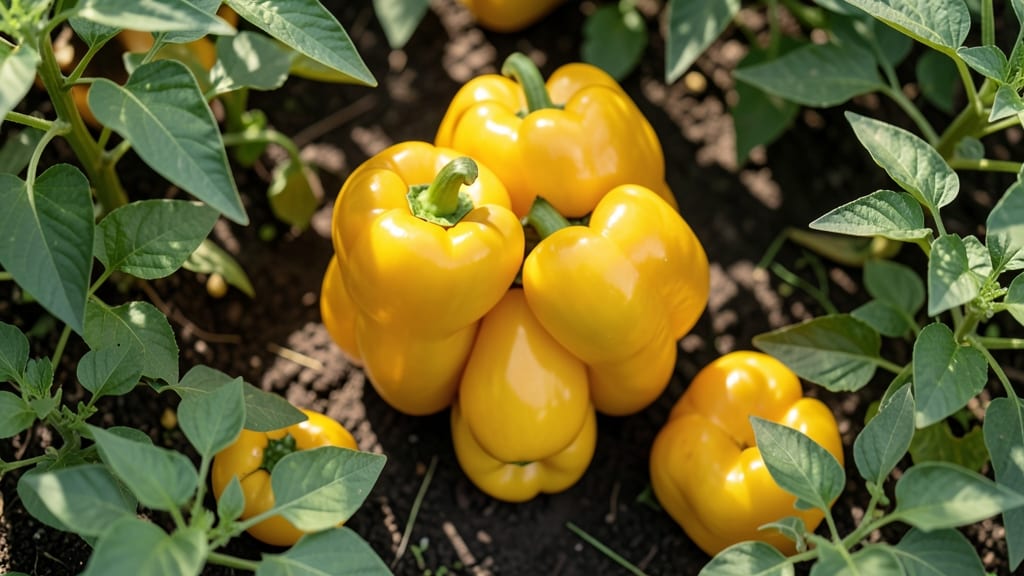
Want a chili pepper that’s as sweet as it is striking? The Amarillo—a 19th-century heirloom—delivers massive, golden-yellow peppers with a mild, fruity heat perfect for fresh eating or drying. Unlike spicier varieties, these thrive in hot climates while resisting common pepper diseases like powdery mildew, making them a dream for organic growers.
Plant seeds after the last frost in full sun (6-8 hours daily) and space them 18 inches apart for bushy growth. The sweet, nutty flavor develops fully when peppers turn bright yellow, and each plant yields 20-30 peppers—enough to share with neighbors. No synthetic pesticides needed; just companion plant with basil to deter pests naturally.
This variety is ideal for hot-climate gardeners who want low-maintenance, high-reward crops. The disease resistance and sweetness make it a standout for organic kitchens and gardeners who love heirloom charm. 🌻
Mammoth Melting Snow Peas
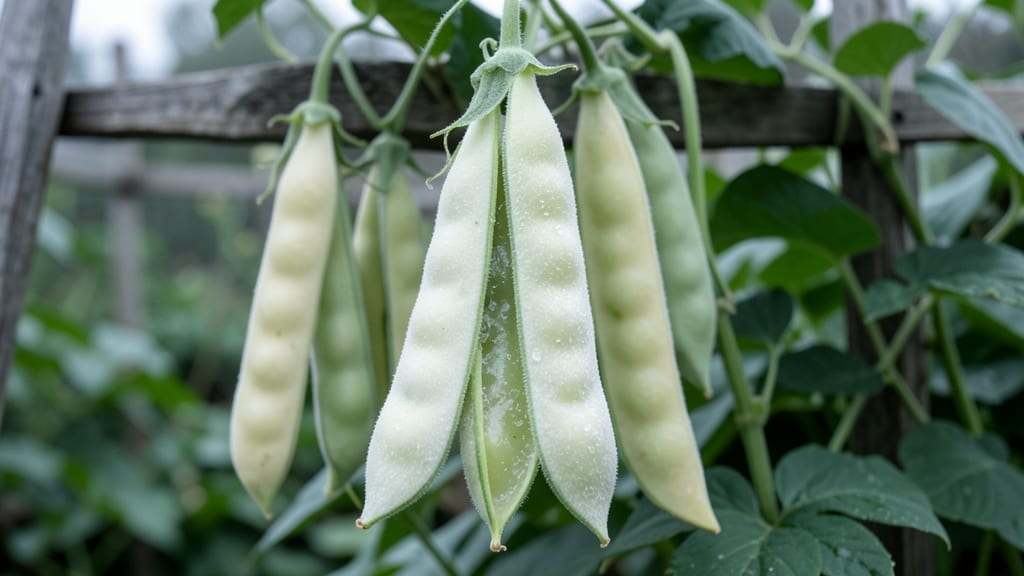
If you love fresh, sweet peas but struggle with short growing seasons, Mammoth Melting Snow Peas are your game-changer. This 19th-century heirloom produces pods twice the size of standard varieties, packed with tender, sugar-sweet interiors that melt in your mouth—even in cooler climates.
Unlike modern varieties, these peas thrive in cool temperatures and can be planted as early as spring or as late as early summer, extending your harvest window. Their nitrogen-fixing roots also enrich the soil naturally, reducing the need for synthetic fertilizers. For a continuous supply, succession plant every 2-3 weeks—each plant yields 10-15 pods before bolting.
Perfect for organic gardeners, homesteaders, or anyone who wants a low-maintenance, high-reward crop. These peas are especially great for small spaces or containers, making them ideal for urban gardeners too. 🌿
Brandywine Pink Tomato Beds
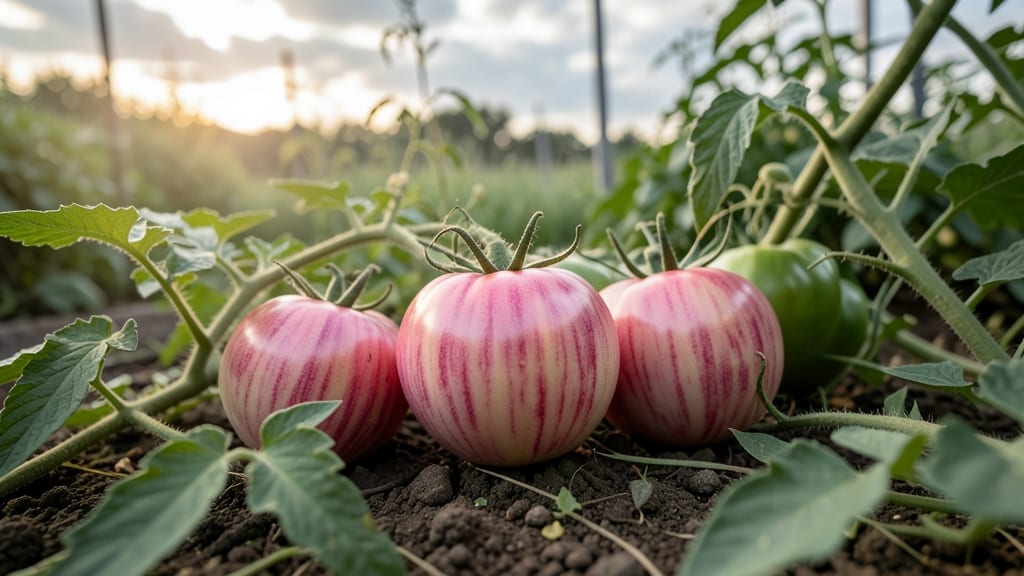
If you crave tomatoes with old-fashioned sweetness that modern hybrids can't match, Brandywine Pink is your heirloom treasure. This 1885 beefsteak tomato thrives in cool summers (USDA Zones 4-9) and produces pink-striped, 12-ounce fruits with unmatched depth of flavor—no chemical boosts required.
Unlike heat-loving varieties, Brandywine Pink performs best with 6-8 hours of sun and consistent moisture, making it ideal for northern climates or high-altitude gardens. Its open-pollinated seeds ensure you can save and replant year after year, preserving this non-GMO legacy for future harvests.
Perfect for organic gardeners who want heirloom authenticity without compromise, this tomato rewards patience with juicy, meaty slices that shine in fresh salads or salsa. 🌟
Lavender Haze Basil Plants
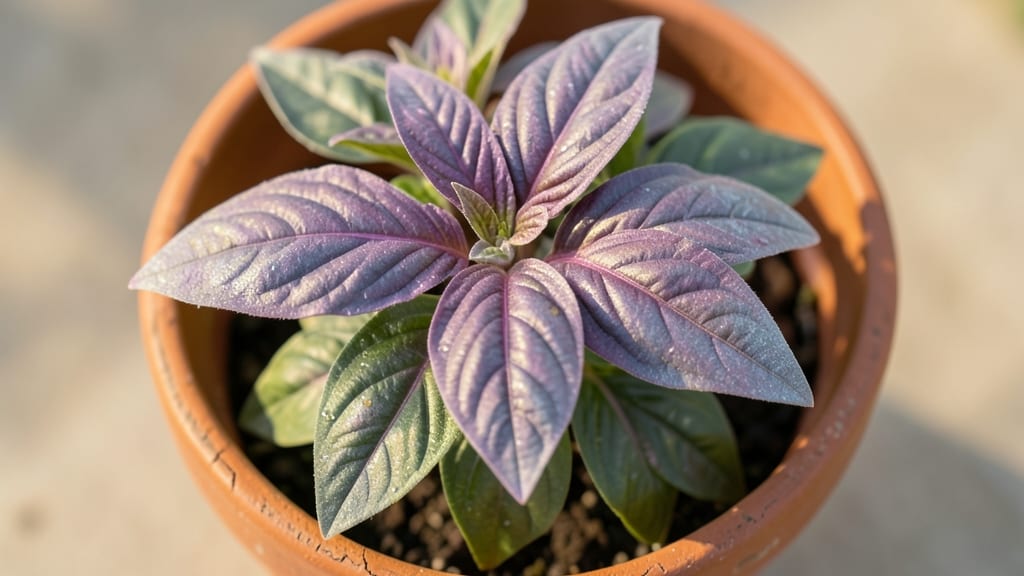
Looking for an heirloom basil that’s as stunning as it is functional? Lavender Haze basil brings a purple-tinged foliage that’s as visually striking as it is aromatic, making it a standout in organic herb gardens. This rare variety thrives in containers, perfect for balconies or windowsills, and its pest-resistant nature means fewer worries about aphids or spider mites ruining your harvest.
The lavender-hued leaves pack a flavor profile that’s sweeter and more complex than traditional basil, with hints of anise and clove. To keep it thriving, plant in well-draining soil with 6-8 hours of sun and water when the top inch feels dry. Pinch back flowers to encourage leaf growth, and you’ll enjoy a year-round harvest with minimal fuss—no synthetic fertilizers required!
Urban gardeners and organic growers will love this low-maintenance, high-reward herb. Its compact size and disease resistance make it ideal for small spaces, while its unique color adds a whimsical touch to any garden. 🌿
Dixie Kiefer Green Tomato Bushes
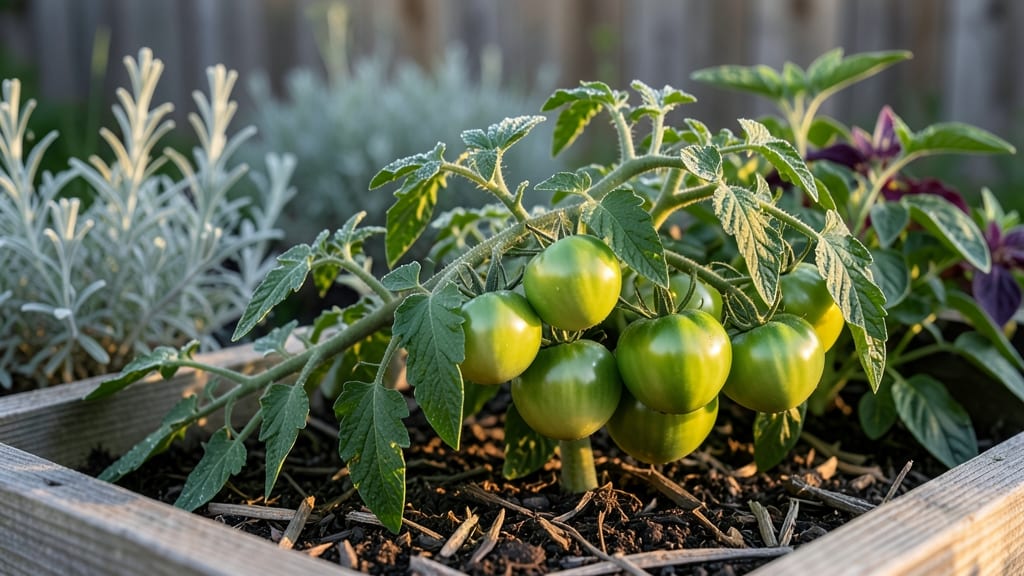
If you live in a short-season climate where tomatoes barely ripen before frost, Dixie Kiefer green tomatoes are your secret weapon. This 19th-century heirloom thrives in cooler temperatures, producing abundant, flavorful green tomatoes that stay firm and delicious even when red ripening isn’t possible.
What makes it perfect for organic gardeners? Its disease resistance—especially against early blight and fusarium wilt—means fewer losses and no need for synthetic fungicides. Plant in full sun with well-draining soil, and expect a harvest starting just 60 days after transplanting. The vines stay compact, making them ideal for containers or small spaces.
This variety is a lifesaver for gardeners in USDA Zones 3-8 who want reliable harvests without compromise. Try them in salads, pickles, or fried green tomatoes—no red ripening required! 🌱
Striped Romanesco Cauliflower Patch
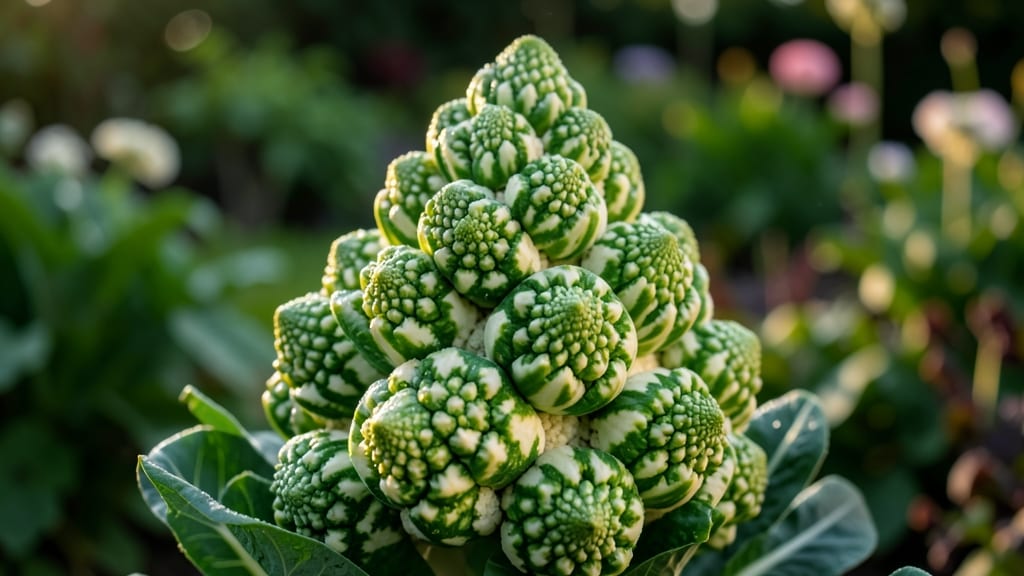
Transform your garden into a living work of art with Striped Romanesco cauliflower, a rare heirloom that grows fractal-like florets in vibrant green-and-white stripes. This botanical marvel isn’t just beautiful—it’s packed with nutrient density, offering more vitamin C per calorie than oranges and a unique crunchy texture perfect for raw preparations.
Sow seeds in cool-season beds (spring or fall) where temperatures stay between 45-75°F, and watch as the striped heads emerge after 80-100 days. Unlike conventional cauliflower, this variety thrives in organic soil without synthetic amendments—just add compost and mulch to retain moisture. The striped pattern develops as the head matures, creating a mesmerizing centerpiece for your harvest table.
Perfect for organic gardeners in USDA Zones 3-10, this heirloom adds visual drama while delivering a crop that’s both nutrient-rich and conversation-starting. 🌟
Blue Lake Bush Bean Rows
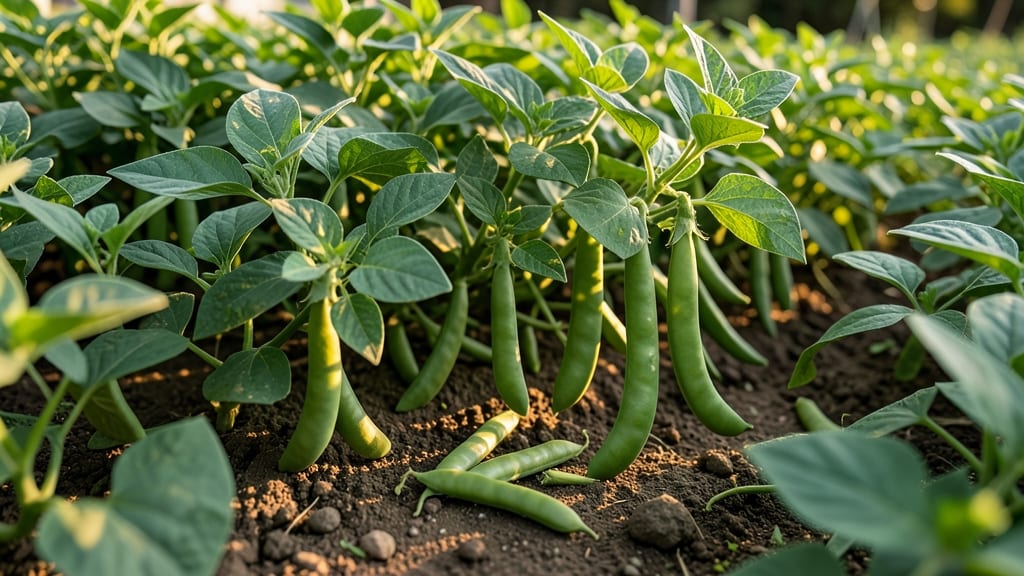
If you're dreaming of a low-maintenance, high-reward garden that feeds both you and your soil, Blue Lake bush beans are your secret weapon. This 19th-century heirloom delivers stringless, sweet beans with minimal fuss—no trellises, no fussing over vines, just 50 days to harvest from seed. The real magic? Their nitrogen-fixing roots transform your soil into a powerhouse for next year’s crops.
Sow seeds ½ inch deep in well-drained soil when nighttime temps hit 55°F, spacing rows 18 inches apart. Water consistently to avoid blossom-end rot, but resist the urge to overwater—drought-tolerant once established. For continuous harvests, plant successive rows every 2 weeks from spring to early summer. Each 10-foot row yields 5-8 pounds of beans, making them perfect for small spaces or urban gardens where every square foot counts.
This heirloom is a game-changer for organic gardeners who want zero synthetic fertilizers and zero compromise on flavor. Plus, the bright green pods add a pop of color to your garden while keeping pests at bay naturally. 🌱
Moon and Stars Watermelon Vines

Transform your garden into a celestial display with Moon and Stars watermelon vines, an heirloom variety that produces striped, moon-shaped fruit as striking as they are delicious. This drought-tolerant gem thrives in hot climates with minimal watering, making it ideal for organic gardeners who want low-maintenance, high-reward crops.
The cream-and-dark-green striped rind isn’t just beautiful—it’s a sign of sweet, tender flesh inside. Plant seeds after the last frost in well-draining soil with full sun exposure, and let vines sprawl across trellises or ground space. Unlike conventional watermelons, this variety resists powdery mildew and cucumber beetles naturally, so you can skip synthetic pesticides entirely.
Perfect for hot, arid regions or urban gardeners with limited water access, Moon and Stars delivers year-round storage potential and a unique conversation piece at harvest time. 🌻