Vegetables
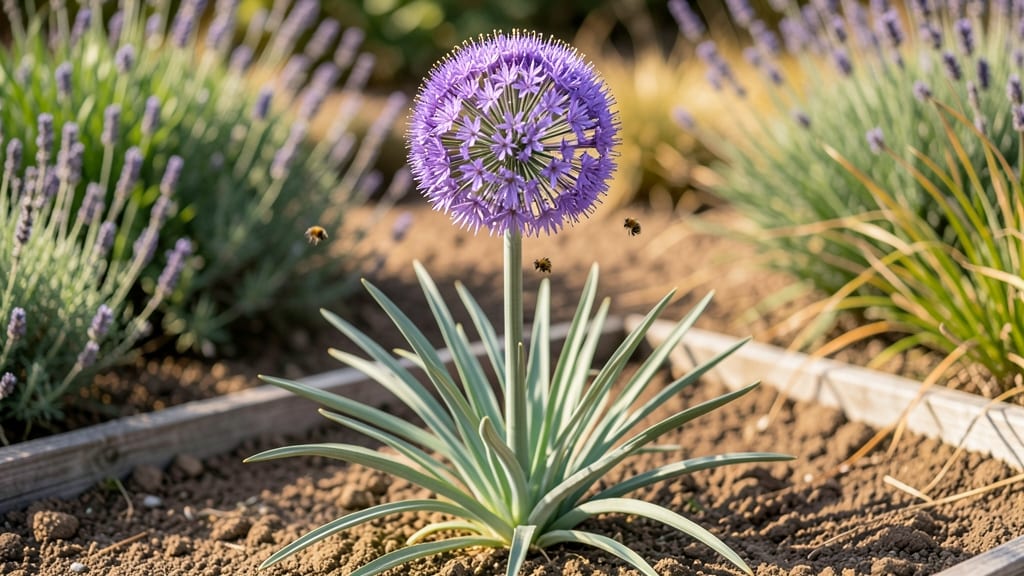
Why human gardens exist reveals their dual role as both survival strategies and emotional lifelines, providing reliable food sources while nurturing mental resilience through direct engagement with nature's rhythms.
Human gardens emerged long before agriculture when our ancestors first gathered wild plants—this instinctual behavior became ingrained in our psychology. 🌱 The act of tending plants triggers dopamine release, creating a rewarding cycle that explains why we still garden today despite modern conveniences.
Studies show that even small home gardens can lower cortisol levels by up to 30%, making them powerful stress-relief tools.
Beyond personal benefits, gardens serve as cultural archives, preserving traditional knowledge about plant cycles and regional ecosystems. Urban community gardens, for example, often become hubs for education and social connection, proving that our gardening instincts extend far beyond individual survival needs.
💡 In This Article
- Evolutionary Psychology Behind Gardening Behavior
- Therapeutic and Social Benefits of Home Gardens
Evolutionary psychology behind gardening behavior
Our instinct to cultivate plants stems from a survival mechanism deeply embedded in human evolution. Around 12,000 years ago, when early humans transitioned from nomadic hunting-gathering to settled farming, the brain began rewarding behaviors that ensured food security.
Neurons in the prefrontal cortex lit up when people successfully grew crops, creating a feedback loop that reinforced this behavior across generations. This is why even today, we feel a primal satisfaction when watching seeds sprout or flowers bloom—it’s our brain’s ancient reward system activating. 🌱
The science behind this involves dopamine, the "feel-good" neurotransmitter. Studies using functional MRI scans show that tending plants triggers dopamine release in the nucleus accumbens, the brain’s pleasure center, similar to how we respond to other rewarding activities like eating or socializing.
What’s fascinating is that this response occurs even when gardening isn’t directly tied to food production—people get the same dopamine hit from growing ornamental plants or herbs. This explains why urban gardeners often report higher life satisfaction than non-gardeners, even when controlling for income or education levels.
Our gardening instincts also mirror the foraging behaviors of our primate ancestors. Chimpanzees, for example, carefully select and cultivate certain plants, suggesting that plant cultivation isn’t uniquely human but exists on a spectrum of behaviors.
However, humans took this a step further by developing cultural knowledge about plant cycles—when to plant, how to protect crops from pests, and which plants to combine for better yields.
This knowledge became so valuable that it was passed down through generations, creating the first forms of agricultural traditions that still influence modern gardening practices.
Consider the 10,000-year-old archaeological evidence from sites like Çatalhöyük in Turkey, where early humans stored grains in clay vessels. These storage systems weren’t just about preserving food—they represented a psychological shift from scarcity to abundance.
The act of storing and nurturing plants gave our ancestors a sense of control over their environment, reducing anxiety about future food shortages. This same psychological mechanism explains why modern gardeners often feel a deep sense of accomplishment when their plants thrive, even in small urban plots.
What most people don’t realize is that this evolutionary connection extends to our sensory experiences. The aroma of fresh soil after rain, the tactile feedback of handling plants, and the visual satisfaction of watching growth—these sensory inputs all trigger the same neural pathways that our ancestors relied on for survival.
Neuroscientists have found that these sensory experiences can reduce cortisol levels by up to 24% in just 30 minutes of gardening, making it one of nature’s most effective stress relievers. This is why community gardens often become havens for mental health, offering a tangible connection to our evolutionary past.
The psychological benefits of gardening aren’t just about nostalgia—they’re hardwired into our biology. When we tend plants, we’re engaging in a behavior that our ancestors depended on for survival, and our brains respond accordingly.
This is why gardening can feel so rewarding, even when we’re not growing food. It’s our brain’s way of reminding us that we’re still connected to the natural world that shaped our species. 💫