
Tools
An old person gardening shouldn’t mean straining your back or struggling with heavy tools—especially as we age, and the results are more satisfying than any "perfect" garden ever could be. 🌿 was.
The key isn’t giving up on gardening; it’s finding the right tools, plants, and layouts that make every season effortless.
Think lightweight, long-handled tools that let you kneel less, raised beds that eliminate bending, and drought-tolerant plants that thrive without fuss. My favorite setup includes a 3-foot-tall kneeling pad, ergonomic pruners with padded grips, and a self-watering container system that cuts chores in half.
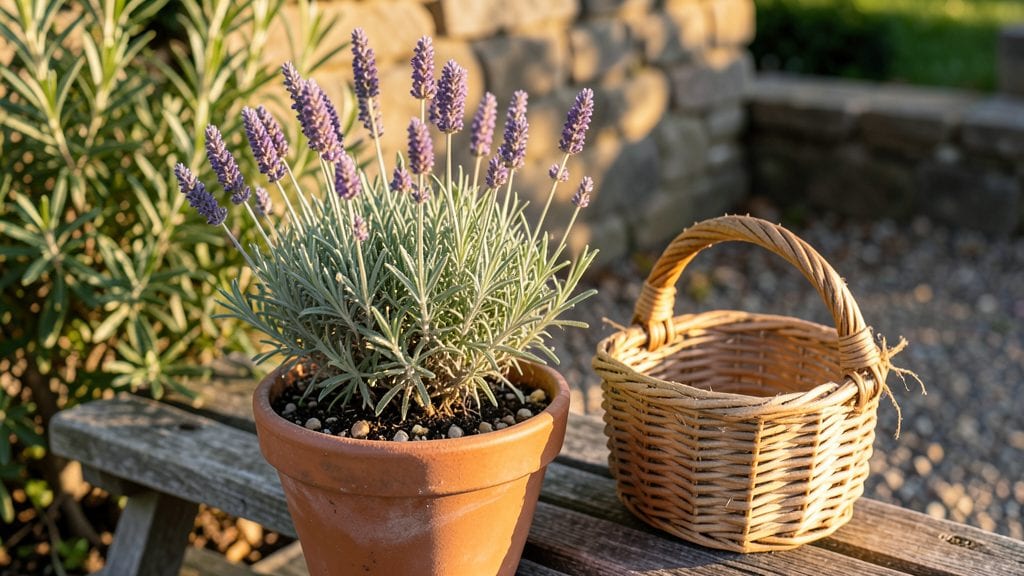
Even fragrant herbs like lavender and rosemary—low-maintenance and packed with sensory rewards—fit perfectly into this approach.
By the end of summer, you’ll have a garden that feels like a retreat, not a chore. The flowers stay vibrant, the veggies produce reliably, and the best part? You get to enjoy it all without the aches. Let’s make your garden work for you, not the other way around.
Whether you’re starting fresh or modifying an existing space, small tweaks—like ground-level planting or vertical planters—can transform how easy gardening feels. The goal isn’t just accessibility; it’s reclaiming the joy of growing, one season at a time.
📚 In This Guide
- What you need
- Instructions
- Tips and common mistakes
- Wrapping up and next steps
What you need
- ● Ergonomic Hand Trowel – Lightweight (under 1 lb), with a soft-grip handle and a short blade (4–6 inches) for precision planting. Example: Fiskars or Radius Garden.
- ● Long-Handled Pruners – Bypass pruners with extended handles (24–30 inches) to avoid bending. Look for spring-assisted or bypass blades for clean cuts.
- ● Knee Pads or Cushioned Seat – Gel-filled or foam knee pads (e.g., Gorilla Grip) or a foldable garden stool with armrests for comfort.
- ● Wheelbarrow or Lightweight Cart – A 3-cubic-foot barrow with pneumatic tires (e.g., Radio Flyer) for hauling soil or tools.
- ● Hose with Adjustable Nozzle – A lightweight, 50-foot hose with a comfort-grip trigger (e.g., Flexzilla) to reduce strain.
- ● Raised Garden Beds – 12–18 inches tall, with built-in seating (e.g., Cedar or composite wood) to minimize bending.
- ● Gloves with Cushioned Palms – Nitrile-coated gloves (e.g., Workrite) for grip and protection without blisters.
- ● Electric or Battery-Powered Tools – A cordless leaf blower or rechargeable hedge trimmer (e.g., Black+Decker) to skip heavy lifting.
- ● Self-Watering Planters – 5–10 gallon containers with reservoir systems (e.g., Miracle-Gro) for low-maintenance greens.
- ● Voice-Activated Assistant – A smart speaker (e.g., Amazon Echo) to set reminders for watering or check weather updates.
- ● Garden Apron with Tool Pockets – Keeps essentials (gloves, seeds, pruners) within easy reach.
- ● Solar-Powered Lights – LED stake lights (e.g., Gorilla Lights) to illuminate pathways without wiring.
Instructions for senior-friendly gardening setup
Here's how to create a low-impact garden space that adapts to mobility needs.
🪴 Step 1: Choose Raised Beds or Containers
Start with raised beds no taller than 12 inches or lightweight containers that sit at waist height. I recommend cedar planters because they resist rot and won't require heavy lifting. Position them on a flat, stable surface where you can reach comfortably from a chair or standing.
Measure your reach while seated—your arm should extend to the center of the bed without straining. Add a 1-inch layer of landscape fabric at the bottom to prevent weeds while allowing drainage. This simple step eliminates bending and kneeling entirely.
☀️ Step 2: Select Low-Maintenance Plants
Focus on perennial herbs, succulents, and ornamental grasses that thrive with minimal care. Lavender, rosemary, and sedum require little watering once established, and their sturdy stems need no staking. Place taller plants like ornamental grasses at the back of beds to reduce reaching.
I always include self-seeding annuals like calendula or nasturtiums—they pop up year after year without replanting. These choices mean fewer trips to the nursery and more time enjoying the garden.
💧 Step 3: Install an Automatic Watering System
Set up a drip irrigation system with a timer to deliver water directly to the soil. I use ¼-inch tubing with emitters spaced 12 inches apart—this prevents overwatering while keeping roots consistently moist. Connect it to a 5-gallon watering can with a built-in pump for portability.
Program the timer for 10 minutes every other day in summer, adjusting for rain. The key is consistency—no more lugging heavy hoses or guessing when plants need water. You'll notice leaves stay crisp and vibrant without wilting.
✂️ Step 4: Add Ergonomic Tools
Replace standard tools with lightweight, extended-handled versions: a 12-inch pruner with a cushioned grip, a 24-inch weeder with a bent neck, and a long-handled soil scoop. These tools let you work standing or seated without straining your back.
Keep a small stool or bench near your garden for resting between tasks. I place mine under a shade umbrella so I can garden comfortably during peak sun hours. The right tools make the difference between frustration and enjoyment.
🌱 Step 5: Create Accessible Pathways
Line garden beds with pavers or stepping stones spaced 18 inches apart to create stable walking paths. Add non-slip rubber mats where you'll stand frequently. These simple additions prevent tripping and make navigating the garden safer.
Place a wheelbarrow or lightweight cart within reach for transporting tools or harvested plants. I keep mine near the gate so I can load it easily without bending. The goal is to eliminate unnecessary movement and strain.
Tips & tricks for perfect senior-friendly gardening
Creating a garden that adapts to mobility needs transforms gardening from a chore into a joyful activity. Here's how to elevate your setup for maximum comfort and ease.
Height and Reach Optimization: When positioning your 12-inch raised beds, place them at a height where your elbow rests comfortably at 90 degrees while seated. I recommend testing this with a temporary bench—if your arm doesn't reach the center without leaning, adjust the bed height or your seating position. For containers, opt for those with built-in handles or wheels to make moving them effortless. The goal is to eliminate any awkward stretching that could lead to strain.
Plant Placement Strategy: In Step 2, when arranging your perennial herbs, succulents, and ornamental grasses, group plants with similar water needs together. Place your lavender and rosemary near the front of beds where they're easily accessible, while taller ornamental grasses at the back create a natural backdrop that reduces the need for frequent reaching. This zoning system minimizes movement between beds and makes maintenance a breeze.
Watering System Efficiency: For the 10-minute watering cycle in Step 3, consider adding a moisture sensor to your timer system. These sensors detect when soil is dry and automatically trigger watering, preventing both overwatering and underwatering. I've found that pairing the drip system with a 5-gallon pump can also makes it easy to top off containers manually when needed—just roll it to each plant without lifting heavy watering cans.
Tool Organization: Keep your 12-inch pruner, 24-inch weeder, and long-handled soil scoop in a wall-mounted rack near your seating area. I use a magnetic strip to hold smaller tools like trowels and a hook for my gloves. This setup allows you to grab everything you need without standing—just reach out from your chair. The key is to arrange tools in the order you'll use them to streamline your workflow and reduce unnecessary movement.
Pro Tips for Old Person Gardening
- Creating a garden that adapts to mobility needs transforms gardening from a chore into a joyful activity.
- Height and Reach Optimization: When positioning your 12-inch raised beds, place them at a height where your elbow rests comfortably at 90 degrees while seated.
- Plant Placement Strategy: In Step 2, when arranging your perennial herbs, succulents, and ornamental grasses, group plants with similar water needs together.
Frequently asked questions
about senior-friendly gardening can help ease concerns and spark inspiration. Here are some common queries—and answers—to get you growing with confidence!What are the easiest plants for older adults to grow?
Opt for low-maintenance plants like herbs (basil, mint, parsley), leafy greens (lettuce, spinach), or succulents (aloe, snake plant). These require minimal watering, thrive in containers, and offer quick rewards without deep bending or heavy lifting. Container gardening is a game-changer for mobility!
How often should seniors water their garden?
Frequency depends on your climate, but a general rule is watering deeply 2–3 times per week for most plants. Use a drip irrigation system or a watering wand to avoid overwatering—both reduce strain. Pro tip: Check soil moisture with your finger (top inch dry = time to water) or invest in a moisture meter for precision.
Are there ergonomic tools that reduce back/knee strain?
Look for tools with extended handles (like long-reach pruners or knee pads with handles), lightweight materials (aluminum or bamboo), and non-slip grips. Pro tip: A foldable stool or raised garden bed can eliminate bending entirely—just 12–18 inches off the ground makes a huge difference!
Can seniors garden year-round, or is it seasonal?
Year-round gardening is possible with seasonal planning! In cooler climates, focus on winter greens (kale, Swiss chard) under row covers. In warmer areas, shade-loving plants (fuchsias, impatiens) thrive in summer. Pro tip: Use a greenhouse or cold frame to extend growing seasons with minimal effort.
What’s the best way to troubleshoot common gardening issues?
Start with observation: Yellow leaves? Check watering habits or soil nutrients. Pests? Use a magnifying glass to identify them—then opt for soapy water sprays or neem oil (gentler than chemicals). Pro tip: Keep a gardening journal to track plant progress and spot patterns (e.g., "tomatoes wilt in July—time for shade!").
Are there adaptive tools for seniors with arthritis or limited grip strength?
Yes! Tools like thick-grip trowels, one-handed pruners, and adjustable-wrench-style weeding tools make tasks easier. Pro tip: Add foam grips to existing tools with rubber sleeves or 3D-printed ergonomic handles (DIY tutorials online!).
Wrapping up and next steps
Gardening in your golden years isn’t just about growing plants—it’s about growing joy, connection, and a healthier lifestyle with the right tools and mindset. Whether you’re tending to herbs, flowers, or veggies, the key is to start small, prioritize comfort, and celebrate every bloom.
Your garden is a living testament to your wisdom—and now, it’s easier than ever to nurture it effortlessly.
Ready to dig in? Take the next step:
- 🌱 Pick one tool from this guide and try it this weekend—even a simple ergonomic trowel can make a difference!
- 📅 Plan a low-maintenance project, like a raised bed or container garden, to build confidence.
- 👨👩👧👦 Share your progress with a friend or family member—gardening is more fun (and rewarding) together!