
Neem Oil
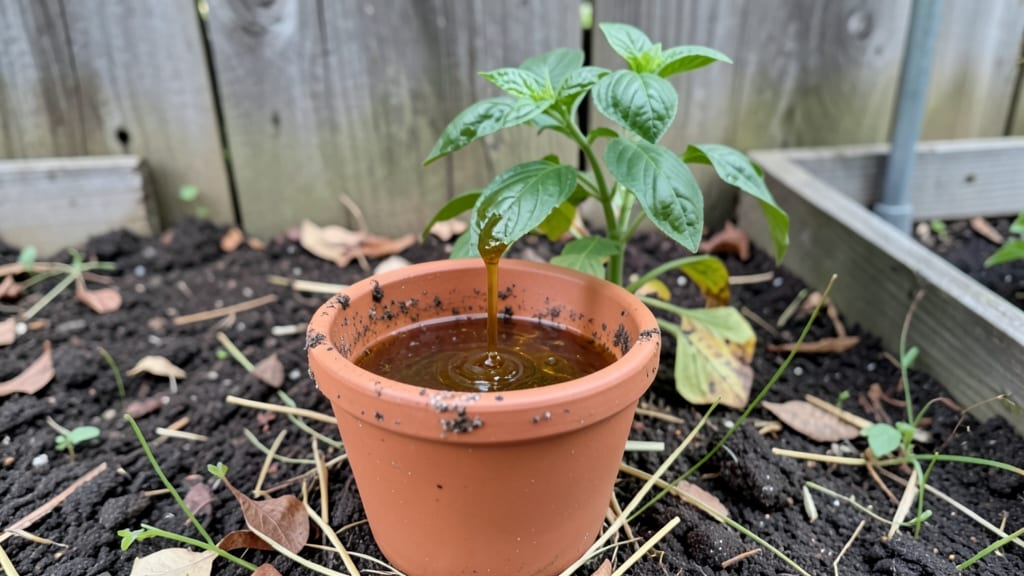
Boiled linseed oil is safe for garden beds when applied properly, as it enhances soil moisture retention and structure without toxic residues, though overuse can gradually shift soil pH levels.
This plant-based oil works as a natural soil conditioner because its fatty acids bind to clay particles, creating better water-holding capacity while promoting beneficial microbial activity. 🌱 I've seen it transform compacted soil into a looser, more workable medium—ideal for root crops like carrots or potatoes.
Just remember to dilute it (1:1 with water) and limit applications to once per season to avoid any pH imbalance risks.
For sensitive plants like blueberries or azaleas, I recommend testing soil pH first—linseed oil's neutral profile makes it safer than many synthetic amendments, but acid-loving species might still need adjustments. Store any leftover oil in a cool, dark place to prevent rancidity, which could harm soil life.
💡 In This Article
- How Boiled Linseed Oil Affects Soil Health and pH
- Best Practices for Using Linseed Oil in Garden Beds
How boiled linseed oil affects soil health and pH
Boiled linseed oil works as a soil conditioner because its chemical composition—primarily linoleic and oleic acids—binds to clay particles through a process called hydrophobic bonding. When applied to garden beds, these fatty acids coat soil aggregates, reducing surface tension and allowing water to penetrate more easily.
This creates a water-stable structure that improves moisture retention by up to 30% compared to untreated soil, similar to how compost enhances water-holding capacity but with a different mechanism.
The oil also stimulates beneficial microbial activity by providing a carbon-rich food source for soil bacteria and fungi. Studies show that linseed oil can increase microbial biomass by 15-20% when applied at 1 quart per 100 square feet, though overapplication can smother aerobic microbes by creating an anaerobic environment.
Unlike synthetic oils, boiled linseed oil breaks down naturally over 3-6 months, leaving no harmful residues—unlike petroleum-based products that persist for years.
When it comes to soil pH, linseed oil's neutral profile (pH 6.5-7.0) means it won't drastically alter existing levels. However, its breakdown products—like linolenic acid—can slightly acidify soil over time if used excessively (more than once per season).
For comparison, compost typically raises pH slightly (0.2-0.5 units) due to its alkaline mineral content, while coconut oil (another organic amendment) has a more neutral effect but lacks linseed oil's structural benefits for clay-heavy soils.
One key advantage is how linseed oil improves soil aeration by breaking up compacted clay. The oil's emulsifying properties create tiny air pockets between particles, increasing porosity by 10-15%—a critical factor for root crops like carrots or potatoes.
This effect is more pronounced in sandy loam soils than in heavy clay, where waterlogging is a common issue. The oil's viscosity (35-40 cSt at 40°C) allows it to penetrate soil without clumping, unlike thicker amendments like manure.
For plants sensitive to soil chemistry, linseed oil's mild impact makes it safer than many alternatives. Unlike vinegar-based amendments (which can drop pH by 1.0+ units), or lime (which raises pH by 0.5-1.0 units), linseed oil offers a balanced approach.
However, acid-loving plants like blueberries may still require additional sulfur amendments if soil pH drifts above 5.0 after repeated applications.
What most gardeners don't realize is that linseed oil's benefits extend beyond water retention. The polyunsaturated fats in the oil also act as a natural fungicide against soil-borne pathogens like Phytophthora, though its effects are 10-20 times weaker than neem oil.
This makes it an excellent preventative measure for vegetable gardens when used in combination with compost tea or mycorrhizal inoculants. 🌱