
Tools
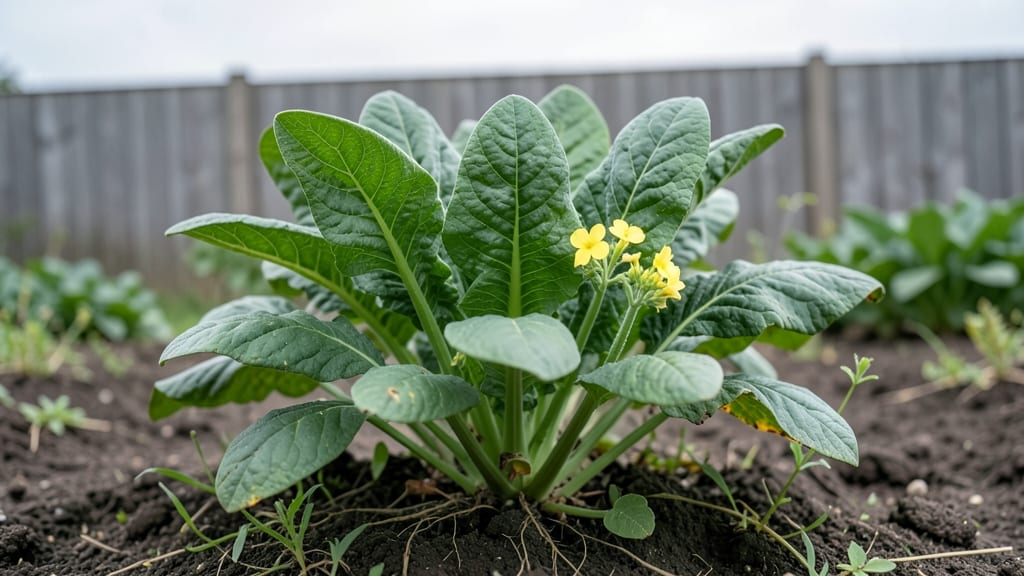
Growing mustard greens in your garden delivers peppery, nutrient-packed harvests that outshine store-bought greens any day. 🌱 I’ve grown them in 4x8-foot patches and even 5-gallon containers—proof they thrive where other crops fail.
The key? Fast growth, cool-season resilience, and a tolerance for partial shade that makes them perfect for small spaces or urban balconies.
You’ll need well-draining soil (amend with compost if yours is heavy), consistent moisture, and either full sun or bright indirect light. Direct-sow seeds every 2-3 weeks for continuous harvests, and watch them bolt faster in heat—so prioritize spring and fall plantings in warmer climates.
The first true leaves appear in about 10 days, and you can start harvesting in as little as 3 weeks.
What you’ll end up with is a steady supply of tender greens that stay productive for months. The flavor mellows as leaves mature, but baby leaves pack the most punch—perfect for salads, sautéing, or blending into soups.
Plus, they deter pests naturally, reducing the need for sprays. Once you try growing your own, store-bought greens won’t even compare.
Works in containers, raised beds, or in-ground plots—just avoid soggy soil and crowded plants. Here’s how to set it up without the guesswork, so you can enjoy fresh greens year-round without the space or time commitment of a full vegetable garden.
📚 In This Guide
- What you need
- Instructions
- Tips and common mistakes
- Wrapping up and next steps
What you need
- ● Mustard Greens Seeds: Choose fast-maturing varieties like Southern Giant Curled or Tendergreen. Buy 2-3 seed packets (about 50-100 seeds total) for a continuous harvest.
- ● Growing Containers or Garden Bed: Containers: 5-gallon buckets, fabric grow bags, or deep pots (minimum 12 inches deep) with drainage holes. 3-5 containers for a small harvest.
- ● Raised Beds: At least 1 sq. ft. per plant (space 6-12 inches apart). For a 4’x8’ bed, you’ll need 10-20 plants.
- ● High-Quality Potting Soil: 1-2 bags of organic, well-draining soil mix (e.g., Miracle-Gro Organic Potting Mix or FoxFarm Ocean Forest).
- ● Compost or Organic Fertilizer: 1 cup per container or 2 lbs per 4’x8’ bed to enrich soil.
- ● Watering Can or Hose with Nozzle: A 1-gallon watering can or a gentle spray nozzle for even moisture.
- ● Plant Labels: Small stakes or markers to track varieties and planting dates.
- ● Hand Trowel: For planting seeds and transplanting seedlings.
- ● Gloves: A pair of gardening gloves to protect your hands.
- ● Pruners or Scissors: For harvesting leaves and trimming plants.
- ● Measuring Tape or Ruler: To ensure proper spacing (6-12 inches apart).
- ● Row Cover or Frost Blanket: Protects seedlings from cold snaps (especially for year-round growth).
- ● Garden Twine or Trellis: If growing tall varieties, a small trellis can support them.
- ● Organic Mulch: Straw or shredded leaves to retain moisture and suppress weeds.
- ● pH Test Kit: Mustard greens prefer 6.0-7.0 pH. Adjust soil if needed.
- ○ Seedling Heat Mat: Speeds up germination in cool climates (optional for indoor starts).
Step-by-step instructions for planting and maintaining mustard greens
Growing mustard greens is simpler than you think—just follow these proven steps for bold, peppery leaves all season.
🌱 Step 1: Prepare the Soil and Plant Seeds
Mustard greens thrive in loose, nutrient-rich soil with excellent drainage. Work the 2-3 inches of compost into the top layer of your garden bed or container mix until it's dark and crumbly. Mustard greens tolerate a wide pH range, but aim for 6.0-7.0 for best results. I like to rake the surface smooth before planting—this prevents seeds from sinking too deep and ensures even germination.
Sow seeds ½ inch deep and 1 inch apart in rows spaced 12 inches apart. For continuous harvests, stagger plantings every 2 weeks—this way, you'll always have fresh greens ready. Thin seedlings to 4 inches apart once they reach 2 inches tall, using scissors to snip unwanted plants at soil level rather than pulling to avoid disturbing roots.
💧 Step 2: Water and Maintain Moisture
Mustard greens need consistent moisture to develop their signature heat and spice. Water daily after planting, keeping the soil evenly moist but never soggy. You'll know you've got it right when the top inch of soil feels damp to the touch but doesn't leave puddles. Once seedlings emerge, reduce to every other day, adjusting based on rainfall—mustard greens wilt quickly when thirsty but also rot if overwatered.
Water at the base of plants in the morning to allow foliage to dry, reducing disease risk. I use a gentle spray nozzle to avoid dislodging tiny seedlings. Mulch with 1 inch of straw after thinning to retain moisture and suppress weeds—this is especially helpful in hot weather when soil dries out fast.
☀️ Step 3: Provide Light and Monitor Growth
Mustard greens grow best in full sun to partial shade, with 4-6 hours of direct sunlight daily. In hot climates, afternoon shade prevents bolting (when plants flower prematurely and turn bitter). If growing in containers, place them where they'll get morning sun and afternoon shade—this balances growth and flavor.
You'll see the first true leaves appear in 7-10 days. At this stage, mustard greens are ready for their first harvest or to be transplanted if you're succession planting. Watch for broad, dark green leaves developing—these are your signal that the plants are thriving. If leaves start yellowing at the edges, it's a sign of overwatering or nutrient deficiency; adjust your watering schedule or add a balanced fertilizer.
✂️ Step 4: Harvest for Continuous Yield
Mustard greens are cut-and-come-again plants, meaning you can harvest outer leaves repeatedly without killing the plant. Use clean scissors or pruners to snip leaves 1-2 inches above the base when they reach 6-8 inches tall. This encourages bushier growth and prolongs the harvest season. I like to harvest in the morning after dew has dried—leaves are crispest and most flavorful then.
For a full harvest, cut the entire plant 1 inch above the soil line when leaves reach 10-12 inches tall. New growth will sprout within 1-2 weeks, giving you a second harvest. In cooler weather, mustard greens can produce for 30-40 days with proper care, while hot weather shortens the window to 20-25 days before bolting.
🌿 Step 5: Extend the Season with Protection
Mustard greens grow quickly in cool weather but bolt in heat. To extend harvests, use floating row covers or a low tunnel in spring and fall to regulate temperature. In winter, plant under cold frames or use black plastic mulch to absorb heat during the day and radiate it back at night—this keeps soil temperatures ideal for growth.
If you're growing in containers, move them to a sheltered spot during extreme heat or cold. Mustard greens can tolerate light frosts, but avoid planting when temperatures drop below 35°F. With these protections, you can enjoy fresh mustard greens for 8-10 months of the year, even in small spaces.
Tips & tricks for perfect mustard greens garden
Here's what nobody tells you about growing mustard greens that'll make all the difference in your small-space harvest.
Soil Prep Secret: Beyond the 2-3 inches of compost mentioned, I add a handful of egg shells crushed into the soil before planting. The calcium helps prevent bolting, especially in hot weather. For container gardens, mix in 1 part perlite to 3 parts potting soil to improve drainage—mustard greens hate soggy roots. The key is that loose, airy texture we want for those peppery leaves.
Thinning Technique: When thinning seedlings to 4 inches apart, don't just pull—use clean scissors to snip at soil level. This prevents disturbing the roots of neighboring plants. I've found that harvesting these thinnings as microgreens gives you an early bonus harvest while maintaining plant health. The 2-inch height threshold is critical: if you wait longer, you'll stress the remaining plants.
Light Management: Those 4-6 hours of sunlight are non-negotiable for flavor development, but watch for the 7-10 day germination window. If your seedlings appear leggy after this time, they're stretching for light. In containers, rotate them quarter-turn daily to ensure even growth. For urban balconies, south-facing positions work best—just avoid west-facing spots that bake in afternoon sun.
Harvest Timing: The 6-8 inch height for partial harvests might seem arbitrary, but there's a reason: leaves at this size have developed maximum peppery flavor while still being tender. I harvest every 3-4 days in cool weather to encourage continuous production. In heat, reduce to every 5-7 days—the plants need time to recover before bolting. Always leave the bottom 2 inches of stem to maintain the plant's vigor.
Pro Tips for Mustard Greens Garden
- Here's what nobody tells you about growing mustard greens that'll make all the difference in your small-space harvest.
- Soil Prep Secret: Beyond the 2-3 inches of compost mentioned, I add a handful of egg shells crushed into the soil before planting.
- Thinning Technique: When thinning seedlings to 4 inches apart, don't just pull—use clean scissors to snip at soil level.
Frequently asked questions
Got questions about growing mustard greens in small spaces?
You're not alone! Here are answers to the most common queries to help you cultivate a thriving mustard greens garden with ease.
When is the best time to plant mustard greens?
Mustard greens are cold-hardy and thrive in cool weather. Plant them in early spring (as soon as soil is workable) or late summer for a fall harvest. In mild climates, you can even grow them year-round! For fastest growth, aim for temperatures between 45°F and 75°F—avoid planting when heat exceeds 80°F.
How long does it take for mustard greens to grow?
Mustard greens are quick growers! You can harvest baby leaves in as little as 3–4 weeks after planting. For full-sized greens, expect a harvest in 5–6 weeks. Successive planting every 2–3 weeks ensures a continuous supply.
Can I grow mustard greens in containers or small spaces?
Mustard greens are perfect for small spaces. Use 5–6 inch deep containers with drainage holes, or plant them in raised beds. Space seedlings 4–6 inches apart in rows 12–18 inches apart. Dwarf varieties like 'Tendergreen' or 'Southern Giant Curled' are ideal for tight spots.
What pests or diseases should I watch for, and how do I prevent them?
Mustard greens are susceptible to aphids, flea beetles, and cabbage worms. Prevent issues by:
- Using row covers to deter pests.
- Practicing crop rotation to avoid soil-borne diseases.
- Ensuring proper spacing and airflow to reduce humidity-related fungi.
What can I substitute if I can’t grow mustard greens?
If mustard greens aren’t your thing, try these mustard greens garden alternatives:
- Kale – Similar texture, slightly sweeter, and cold-hardy.
- Collard greens – Heartier and great for soups.
- Spinach – Mild flavor, quick-growing, and versatile.
- Turnip greens – Bold flavor, edible roots too!
Wrapping up and next steps
Growing mustard greens in small spaces is not only possible—it’s rewarding! With the right tools, a little patience, and a dash of creativity, you can enjoy a year-round harvest of nutrient-packed greens, even in limited square footage.
Whether you’re a seasoned gardener or just starting out, this leafy green is your ticket to fresh, homegrown goodness without the fuss.
Ready to take the next step? Start small—plant a few seeds or seedlings this week and watch your mustard greens garden thrive! 🌱 For even more tips, explore companion planting or succession planting to maximize your yield. Happy growing!