Vegetables
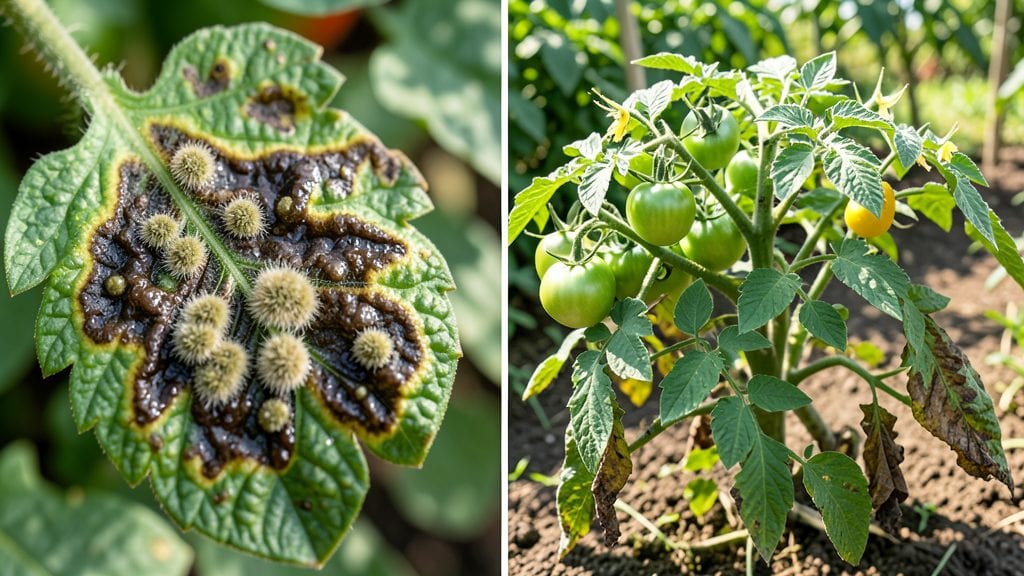
Vegetable garden fungus turns lush crops into sad, spotted messes—until you learn the humane way to handle it. 🌱 I’ve spent years watching fungal infections creep in, but I’ve also discovered how to remove infected plants without wrecking the soil or inviting more problems.
The key is acting fast, choosing the right methods, and knowing when to cut losses.
Most gardeners panic and yank every infected plant, then douse the soil with harsh chemicals—only to watch the fungus bounce back stronger. Instead, we’ll focus on selective removal, organic sprays, and soil-friendly fixes that keep your garden thriving.
You’ll learn to spot early signs (yellowing leaves, white powder, or mushy stems) and act before the problem spreads.
By the end, you’ll have a three-step cleanup system that removes fungus without harming beneficial microbes, plus a prevention checklist to keep future outbreaks at bay. No more guessing whether to pull or spray—just clear, practical steps that work for tomatoes, cucumbers, and even stubborn root rot in carrots.
This approach works in raised beds, in-ground plots, and containers, and it’s gentle enough for organic gardens but tough enough to handle heavy infestations. Let’s get your soil—and your harvest—back in balance without the chemical cleanup.
Root Causes Of Garden Fungi
Fungi in your vegetable garden aren’t just random invaders—they thrive because of specific conditions you might be unintentionally creating. Understanding these triggers is the first step to preventing outbreaks while keeping your soil healthy. Let’s break down the real culprits behind fungal growth.
Fungi love moisture—too much of it creates the perfect breeding ground. When soil stays damp for extended periods, fungal spores germinate and spread rapidly. Here’s why it happens:
- Poor drainage: Clay-heavy or compacted soil traps water, preventing excess moisture from draining away. Even after rain, water pools around roots, inviting fungal infections like Phytophthora or Pythium.
- Overwatering: Watering at the wrong times (e.g., late in the day) or using sprinklers that soak leaves and soil encourages fungal spores to latch onto plant surfaces.
- Flooding or irrigation issues: Drip lines too close to stems or uneven water distribution can create soggy pockets where fungi thrive.
Actionable fix: Test your soil’s drainage by digging a hole, filling it with water, and timing how long it takes to drain. Aim for 4–6 hours. Use raised beds or amend soil with compost to improve aeration.
Fungi spread faster in stagnant, crowded environments. When plants are too close together or shaded, airflow decreases, trapping humidity and encouraging fungal spores to colonize leaves and stems.
- Overcrowded plantings: Dense foliage blocks sunlight and airflow, creating a humid microclimate perfect for Botrytis (gray mold) or Powdery Mildew.
- Poor pruning habits: Dead or dying leaves left on plants trap moisture and spores, accelerating fungal spread.
- Shady garden spots: Areas with little sunlight stay cooler and damper longer, slowing evaporation and prolonging fungal activity.
Actionable fix: Space plants according to their mature size (check seed packets) and prune regularly to remove debris. Thin out overgrown foliage to improve airflow.
Fungi exploit gardens where nitrogen is scarce but organic matter is plentiful. While healthy soil supports beneficial microbes, imbalances create weak plants that can’t fend off infections.
- Excess organic matter without nitrogen: Fresh mulch, compost, or manure high in carbon (like wood chips) can feed fungi directly, starving plants of nitrogen and weakening their defenses.
- Low microbial diversity: Overuse of synthetic fertilizers kills beneficial bacteria and fungi, leaving harmful pathogens unchecked.
- Weakened plant immunity: Nutrient-deficient plants (especially low in phosphorus or potassium) struggle to produce antifungal compounds like phytoalexins.
Actionable fix: Balance your soil with a 2:1 carbon-to-nitrogen ratio (e.g., mix fresh compost with aged manure). Use compost tea or mycorrhizal inoculants to boost beneficial microbes.
Fungal spores are microscopic but resilient—they hitchhike on tools, shoes, and even wind, infiltrating your garden unnoticed.
- Unsterilized tools: Pruners, shovels, or trellises contaminated with fungal spores can transfer pathogens from one plant to another.
- Infected plant debris: Leaving behind diseased leaves or roots in the soil provides a food source for fungi to overwinter and return stronger.
- Cross-contamination from compost: If your compost pile gets too hot or isn’t turned regularly, it can harbor Trichoderma or other aggressive fungi.
Actionable fix: Sterilize tools with a 1:10 bleach-water solution (rinse well) or rubbing alcohol. Remove all plant debris after harvest, and avoid composting diseased material.
Next up: Learn how to safely remove fungus without harming your soil.
Fixing Fungal Issues Naturally
Fungal problems in your vegetable garden don’t have to mean the end of your harvest—with the right approach, you can restore balance while keeping your soil healthy.
Below are targeted solutions for common fungal causes, from quick fixes to long-term prevention. Each method prioritizes humane removal (no harsh chemicals) and soil-friendly practices.
Fix: Improve airflow and adjust watering habits.
- 🔥 Reduce watering frequency—water deeply once or twice a week (early morning) instead of daily light sprinkles.
- 🍳 Raise beds or add compost to improve drainage (mix in coarse sand or perlite if soil is clay-heavy).
- 👨🍳 Mulch strategically—use straw or wood chips (not thick layers) to retain moisture without suffocating roots.
- ⏰ Prune affected plants at the base to prevent spread, then compost the clippings in a hot bin (not directly in the garden).
💡 Prevention tip: Plant fungus-resistant varieties (e.g., ‘BlightMaster’ tomatoes) and avoid overhead watering.
Fix: Loosen soil and space plants properly.
- 🔪 Gently aerate soil with a broadfork (6–8 inches deep) to break up compaction without disturbing roots.
- 🥘 Thin out plants—follow seed packet spacing (e.g., 12–18" for tomatoes, 6–12" for lettuce).
- 🌡️ Rotate crops annually to prevent fungal buildup in the same soil.
- ✨ Add organic matter—work in composted manure or worm castings to boost microbial diversity.
💡 Prevention tip: Interplant fungus-suppressing crops like marigolds, garlic, or chives between susceptible veggies.
Fix: Remove attractants and disrupt pest-fungus cycles.
- 🔥 Clean up debris—pull weeds, remove diseased leaves, and solarize soil (cover with clear plastic for 4–6 weeks in summer).
- 🍳 Introduce beneficial insects—ladybugs and lacewings prey on pests that damage plants, reducing fungal entry points.
- 👨🍳 Use copper sprays (homemade: 1 tbsp copper sulfate + 1 gallon water) as a preventive barrier on stems/leaves.
- ⏰ Avoid nitrogen-heavy fertilizers—too much promotes soft, fungus-loving growth. Opt for balanced or low-N organics.
💡 Prevention tip: Plant trapping crops (e.g., radishes near carrots) to lure pests away from your main veggies.
Fix: Boost sunlight and circulation.
- 🔥 Prune nearby trees/shrubs to increase sunlight (aim for 6+ hours/day for most veggies).
- 🍳 Install a fan on a low setting near beds to improve airflow (especially for greenhouse gardens).
- 👨🍳 Elevate containers if using pots—ensure drainage holes and avoid saucers that trap moisture.
- ⏰ Harvest promptly—overripe or bruised produce attracts fungi faster.
💡 Prevention tip: Choose drought-tolerant varieties (e.g., ‘Heatmaster’ peppers) for hot, dry climates.
Fix: Test and restore soil health.
- 🔥 Get a soil test (kit from local extension offices) to check pH and nutrient levels.
- 🍳 Adjust pH naturally:
- Too acidic (below 6.0)? Add lime (follow package rates).
- Too alkaline (above 7.5)? Mix in sulfur or pine needles.
- 👨🍳 Flush soil—water heavily to leach out salts if using synthetic fertilizers.
- ⏰ Switch to biofungicides like neem oil, baking soda spray (1 tsp + 1 quart water + drop of soap), or hydrogen peroxide (1 tbsp/quart water).
💡 Prevention tip: Compost tea (aerated) can reintroduce beneficial microbes to outcompete pathogens.
🎯 Final Reminder: Fungal issues often signal underlying stress—address one fix at a time** (e.g., drainage before fertilizing) for the best results. Your garden’s microbes are your allies; nurture them, and they’ll fight fungi for you!
Frequently asked questions about vegetable garden fungal issues
How do I tell if my vegetable plants have fungus?
Look for white powder (powdery mildew), yellow/brown spots (early blight), or mushy stems (root rot). Check undersides of leaves for fuzzy growth or dark lesions. Early signs include stunted growth or leaves curling—act fast to prevent spread.
Can I still use the soil after removing fungus-infected plants?
Yes, but first solarize it (cover with clear plastic for 4–6 weeks) or mix in composted manure to restore microbes. Avoid replanting susceptible crops in the same spot for 2–3 years to break fungal cycles.
What’s the fastest organic treatment for fungal outbreaks?
For leaf fungi, spray with a baking soda mix (1 tsp baking soda + 1 quart water + drop of soap). For soil-borne issues, apply hydrogen peroxide (1 tbsp/quart water) directly to roots. Reapply every 7–10 days until symptoms fade.
Why does fungus keep coming back even after I treat it?
Fungi thrive when underlying conditions persist—like poor drainage, overcrowding, or excess moisture. Fix the root cause first (e.g., improve airflow, adjust watering) before treating symptoms. A single spray won’t solve chronic issues.
Are there any vegetables more resistant to fungus?
Yes! Opt for ‘BlightMaster’ tomatoes, ‘Heatmaster’ peppers, or Swiss chard (less prone to mildew). Also try radishes or bush beans, which mature quickly and reduce exposure time. Crop rotation helps too.