Advice
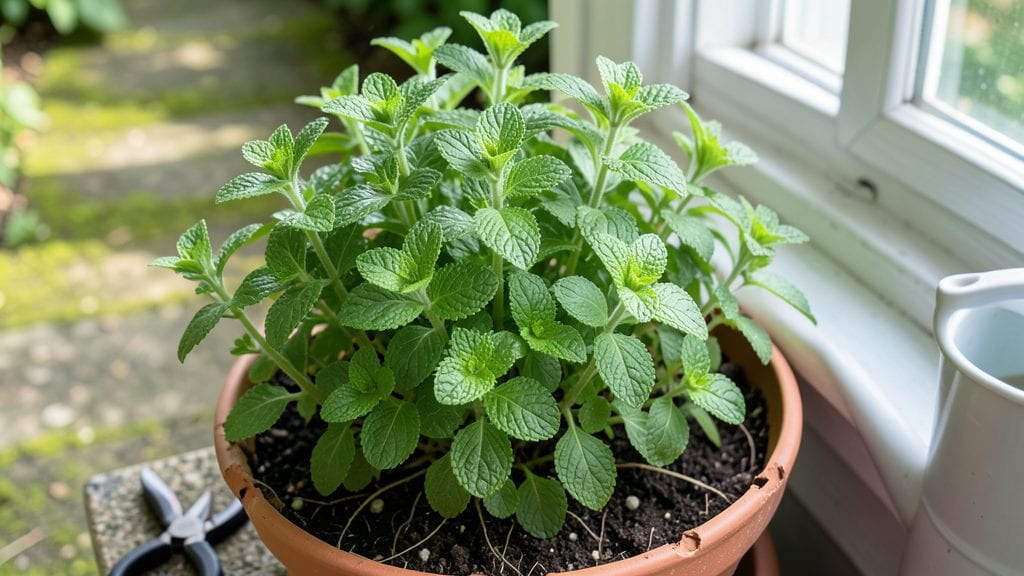
Here are the best mint gardening tips to turn a single stem into a thriving patch—now filling my containers and garden with that fresh, crisp aroma. 🌿 or years of experience required.
The secret? Mint spreads aggressively, but with the right approach, you can control it while still enjoying lush, fragrant leaves all season long.
Start with a healthy stem, plant it in moist soil, and keep it in partial shade at first. Within weeks, you’ll see new growth, and before you know it, you’ll have enough mint for teas, cocktails, or pest-repelling sachets.
The best part? It thrives in small spaces, making it perfect for balconies, windowsills, or even hanging baskets. Just be ready—this plant doesn’t like to be ignored.
📚 In This Guide
- What you need
- Instructions
- Tips and common mistakes
- Wrapping up and next steps
What you need
- ● Mint plants: Start with 1–3 healthy mint cuttings or nursery-grown plants (e.g., peppermint, spearmint, or chocolate mint). Avoid overcrowding!
- ● Containers or garden bed: Pots: 10–12" deep containers (1 per plant or 2–3 plants per 12" pot). Use drainage holes!
- ● Garden bed: A 6" deep, well-drained spot with partial shade (4–6 hours of sunlight daily).
- ● Potting soil: 5–10 lbs of well-draining, peat-based mix (avoid heavy clay soil). Add perlite or sand (1 part perlite to 4 parts soil) for aeration.
- ● Fertilizer: A balanced, water-soluble fertilizer (10-10-10 or 5-5-5) or compost (1 cup per pot).
- ● Watering can or hose: With a gentle spray nozzle to avoid disturbing roots.
- ● Pruning shears: Sharp, clean pair for trimming (sterilize with rubbing alcohol between uses!).
- ● Mulch: Straw or shredded leaves to retain moisture and suppress weeds.
- ● Garden gloves: To protect your hands from mint’s aggressive growth habits!
- ● Plant labels: To track varieties (mint spreads fast—you’ll thank us later!).
- ● Shade cloth: For hot climates (30–50% shade to prevent scorching).
Step-by-step instructions for growing lush mint patches
Here's how to grow vigorous, fragrant mint in tiny spaces—no green thumb required!
🌱 Step 1: Choose the Perfect Containers
Mint spreads aggressively, so containment is key. Use 4 individual 12-inch pots with drainage holes—plastic or terracotta both work. I avoid wood because mint's moisture can cause rot over time. For a more rustic look, try woven baskets with liner bags, but check drainage holes first.
Place a layer of 1 inch of small gravel at the bottom of each pot before adding soil. This prevents roots from clogging drainage and ensures excess water escapes quickly. Mint hates soggy roots, so good drainage is non-negotiable. If your pots lack holes, drill them yourself—just don't go bigger than ¼ inch.
🌿 Step 2: Fill With Light, Airy Soil
Fill each pot with 3 gallons of potting mix, leaving 1 inch of space at the top. Mint thrives in well-draining soil that stays slightly moist but never waterlogged. I mix my potting soil with 1 cup of perlite per gallon to improve aeration—this prevents compacting and keeps roots happy.
Don't pack the soil down tightly. Instead, gently press it so it holds its shape when touched but still feels loose. You'll see roots spread quickly, so avoid heavy garden soil—it compacts and suffocates mint's delicate root system. A quick squeeze should feel like a damp sponge, not a brick.
💧 Step 3: Plant and Water Like a Pro
Dig a hole in each pot twice as wide as the mint plant's root ball. Place the plant in, then fill the hole with soil, pressing lightly to eliminate air pockets. Water immediately until water runs out the drainage holes—this settles the soil and removes any air gaps around the roots.
Mint loves moisture but despises soggy conditions. Water when the top inch of soil feels dry, which is usually every 2-3 days in warm weather. I use a watering can with a narrow spout to direct water straight to the base, avoiding wet leaves that can cause fungal issues.
☀️ Step 4: Position for Sun and Protection
Place your mint pots in partial shade—morning sun with afternoon shade works best. Full sun can scorch mint leaves, especially in hot climates. If you only have sunny spots, provide afternoon shade with a sheer curtain or move pots to a shadier location by early afternoon.
Watch for leggy growth—thin, stretched stems mean your mint isn't getting enough light. If this happens, move the pots to a brighter spot but avoid direct midday sun. Mint grows best in 60-75°F temperatures, so if nights dip below 50°F, move pots indoors or cover with frost cloth.
✂️ Step 5: Prune and Harvest Regularly
Pinch back the tips of new growth when plants reach 4-6 inches tall to encourage bushier growth. This simple step prevents mint from growing tall and leggy. I harvest leaves regularly by cutting stems just above a leaf node—this stimulates new growth and keeps plants compact.
Harvest in the morning after dew has dried but before the sun gets too intense. You'll see fresh, vibrant leaves that taste strongest. Never harvest more than ⅓ of the plant at once, or you'll stunt its growth. With proper care, your mint will keep producing all season long!
Tips & tricks for perfect mint gardening
Ready to transform your tiny space into a mint paradise? These game-changing tips will help you grow the freshest, most vibrant mint patches with minimal effort!
Container Selection: If you're using woven baskets, line them with a breathable fabric bag to prevent root escape while maintaining airflow. I've found that terracotta pots actually help regulate soil moisture better than plastic during hot afternoons—just be prepared to water more frequently. For maximum root control, consider using 5-gallon fabric grow bags instead of rigid pots—they allow roots to expand without breaking through seams.
Soil Mix Magic: The secret to lush mint isn't just the potting mix—it's the perlite ratio. For every 3 gallons of soil, I actually use 1.5 cups of perlite per gallon (double what's suggested) to prevent compaction in heavy-use containers. This extra aeration keeps roots oxygenated and prevents that dreaded "soggy bottom" syndrome. Pro tip: Add ½ cup of compost to each pot at planting time for an extra nutrient boost that lasts all season.
Watering Wisdom: I've learned the hard way that mint's water needs change with seasons. In warm weather (above 75°F), water every 2 days—but in cooler conditions (below 60°F), stretch it to every 3-4 days. The key is checking soil moisture: stick your finger 1 inch deep—if it feels dry, water thoroughly until it runs out drainage holes. Overwatering is the #1 killer of container mint, so always let the top layer dry slightly between waterings.
Pruning and Propagation: Here's what nobody tells you—your pruning cuttings can root in water! After harvesting, place stems in a glass of water with just the bottom node submerged. In about 2 weeks, you'll have baby mint plants ready to transplant. I keep a small water garden of mint cuttings on my windowsill, and it's my secret weapon for free plants. Plus, the water changes color to a beautiful minty green—it's like nature's mood ring!
Pro Tips for Mint Gardening Tips
- Ready to transform your tiny space into a mint paradise?
- Container Selection: If you're using woven baskets, line them with a breathable fabric bag to prevent root escape while maintaining airflow.
- Soil Mix Magic: The secret to lush mint isn't just the potting mix—it's the perlite ratio.
Frequently asked questions
Got questions about growing mint like a pro? Here are some of the most common ones—plus straightforward answers to help you cultivate a thriving patch with ease!
How often should I water my mint plants?
Mint loves moisture, so aim to water it consistently—about 1-1.5 inches per week, either from rainfall or manual watering. Keep the soil evenly damp (but not soggy) to encourage lush growth. Pro tip: Mulch around the base to retain moisture and reduce evaporation!
When is the best time to harvest mint?
Harvest mint early and often to encourage bushier growth! Snip stems just above a leaf node (about 1/3 of the plant) when the leaves are fully developed but before flowering. Best times: Morning, after dew has dried, for the strongest flavor. Avoid harvesting during peak heat—it can wilt the leaves!
Can I grow mint in containers? What size should they be?
Mint thrives in containers—just ensure they’re at least 12 inches deep to prevent root-bound stress. Use well-draining soil and a pot with drainage holes. Bonus: Containers keep mint from spreading invasively in gardens. For multiple plants, space them 12-18 inches apart.
What pests or diseases should I watch for in mint?
Mint is generally pest-resistant, but keep an eye out for aphids, spider mites, or mint rust (a fungal disease). Solutions: Spray affected areas with neem oil or insecticidal soap. Improve airflow by pruning crowded stems, and avoid overhead watering to prevent fungal issues.
Can I grow mint indoors? What do I need?
Yes! Mint adapts well to indoor spaces. Place it near a sunny window (6+ hours of light daily) or use a grow light. Use a 6-inch pot with drainage, and rotate the plant occasionally for even growth. Humidity hack: Mist leaves or place the pot on a tray of pebbles with water to mimic outdoor conditions.
Wrapping up and next steps
Growing mint is a rewarding experience—whether you’re a seasoned gardener or just starting out! With just a few mint gardening tips, you can cultivate a lush, fragrant patch in even the smallest of spaces.
Remember, mint thrives on consistent moisture, indirect sunlight, and regular pruning to keep it healthy and prevent it from taking over.
Now that you’re armed with the know-how, roll up your sleeves and get planting! 🌱 Start small, experiment with varieties, and enjoy the fresh, invigorating scent and flavor mint brings to your home. Happy gardening!