
Size
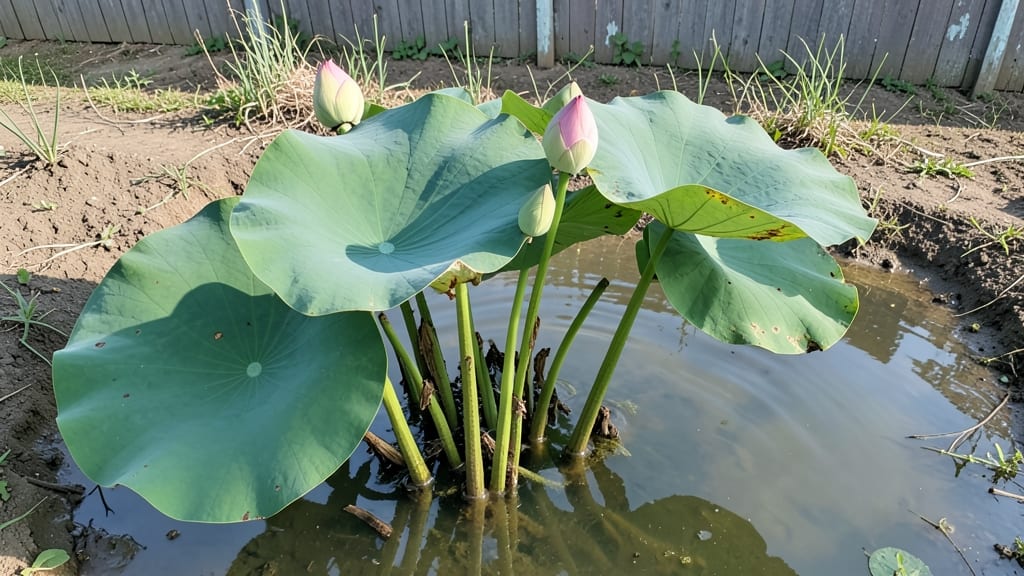
Growing lotus plants in your garden transforms water features into breathtaking focal points—those iconic pink blooms rising above the surface are worth every step of the process. 🌸 My first attempt nearly drowned in overcomplicated advice, but I’ve since simplified it to just three essentials: the right container or pond depth, nutrient-rich soil, and patience for their slow but stunning growth cycle.
The key to success starts with water depth: roots need at least 18 inches of water, while containers must have drainage holes covered with a mesh to keep soil in place.
Use a mix of 60% garden soil and 40% compost to give roots the nutrients they crave, and plant crowns just below the waterline in spring after the last frost. Most beginners overwater—lotus plants thrive in still, warm water, not rushing streams.
By midsummer, you’ll see those signature blooms emerge, each lasting just a day but creating a mesmerizing show for weeks. The plants handle winter dormancy effortlessly, sinking below the surface until spring’s warmth revives them.
Even in containers, they’ll reward you with 3-foot-tall stems and velvety leaves that add texture to any water garden.
Container growers should rotate pots occasionally to prevent leaning, and all lotus plants benefit from a monthly dose of aquatic fertilizer during bloom season. Troubleshoot slow growth by checking water temperature (ideal is 70-80°F) and ensuring roots aren’t bound in tight containers.
With these adjustments, your lotus will become the showstopper of your garden every year.
📚 In This Guide
- What you need
- Instructions
- Tips and common mistakes
- Wrapping up and next steps
What you need
- ● Lotus tubers: 1-3 (depending on desired size; choose Nelumbo nucifera for tropical climates or Nelumbo lutea for hardier varieties).
- ● Container or pond: For containers: A minimum 12-inch-deep pot (18"+ for full-sized lotuses) with drainage holes. Use fiberglass, plastic, or ceramic (avoid metal).
- ● For ponds: 3-4 feet deep (lotuses need space to root and bloom).
- ● Gravel or sand: 2-3 inches (for drainage and root stability).
- ● Potting soil or aquatic plant substrate: 1-2 bags (lightweight, nutrient-rich, and water-permeable).
- ● Water source: Dechlorinated tap water or pond water (chlorine can harm tubers).
- ● Fertilizer: Slow-release aquatic pellets or liquid fertilizer (e.g., Miracle-Gro Aquatic Plant Food).
- ● Tools: Trowel or garden shovel
- ● Measuring tape (to track water depth)
- ● Gloves (for handling tubers)
- ● Water tester kit: To monitor pH (ideal: 6.0-7.5) and nutrients.
- ● Floating plant covers: For winter protection in colder climates.
- ● Decorative rocks or stones: To enhance aesthetics around the pond or container.
- ● Solar-powered fountain: Adds movement and oxygenates water (great for containers!).
Step-by-Step instructions for cultivating lotus plants in containers or ponds
Here's how to transform your garden into a serene aquatic haven with stunning lotus blooms.
🪴 Step 1: Choose the Right Container or Pond Setup
Lotus plants thrive in 12-18 inches of water depth, so select a container with at least 18 inches of height and a diameter of 24 inches or larger for each plant. For ponds, ensure the planting area has soft, nutrient-rich soil at the bottom. I recommend using black plastic containers or fiberglass ponds—they retain heat better and create ideal conditions for root development.
If using containers, drill drainage holes near the bottom to prevent waterlogging, then line the interior with landscape fabric to filter out debris while allowing water circulation. Place a 3-4 inch layer of gravel at the base before adding soil—this mimics natural pond conditions and prevents root rot. Remember, lotus plants need full sun exposure for at least 6-8 hours daily, so position your container or pond in the sunniest spot possible.
🌱 Step 2: Plant the Rhizomes Correctly for Maximum Growth
Lotus rhizomes must be planted horizontally, not vertically, with the buds facing upward. Dig a shallow trench in the soil or container base, about 2 inches deep, and place the rhizome with the eyes (buds) pointing toward the surface. Cover lightly with 1-2 inches of soil, leaving the buds exposed to light.
I always space rhizomes 12-18 inches apart in containers or ponds to allow room for root expansion. If planting multiple rhizomes, maintain this spacing to prevent overcrowding, which leads to weak stems and fewer blooms. Water the area gently after planting to settle the soil, but avoid submerging the buds—this ensures they receive the light needed to sprout.
💧 Step 3: Maintain Water Levels and Nutrient Balance
Keep the water level consistent at 12-18 inches deep—never let it drop below 6 inches, or the rhizomes will dry out. Use dechlorinated water (let tap water sit for 24 hours or use a water conditioner) to prevent chemical damage. I add a slow-release aquatic plant fertilizer every 4-6 weeks during the growing season to support lush foliage and vibrant blooms.
Monitor water quality closely. Lotus plants are heavy feeders, so cloudy or murky water signals excess nutrients or decaying organic matter. Skim off surface debris weekly and perform partial water changes (20-30%) every 2-4 weeks to maintain clarity. In containers, this is easier—just top off with fresh water as needed.
☀️ Step 4: Provide Optimal Sun and Seasonal Care
Lotus plants demand full sun—place containers or ponds where they receive uninterrupted sunlight for 6-8 hours daily. In hot climates, provide light shade during peak afternoon sun to prevent leaf scorch. You’ll notice healthy plants developing large, glossy leaves and sturdy stems within 4-6 weeks of planting.
During winter dormancy (in colder zones), allow the water level to drop 4-6 inches to protect rhizomes from freezing. In containers, you can drain and store rhizomes in moist peat moss indoors until spring. Resume normal water levels in early spring as new shoots emerge—this timing ensures a strong start to the growing season.
✂️ Step 5: Prune and Harvest for Long-Term Beauty
Remove spent blooms by cutting stems 1 inch above the next leaf node to encourage continuous flowering. I also trim yellowing or damaged leaves to redirect energy to new growth. Avoid over-pruning—lotus plants rely on their large leaves for photosynthesis, so leave at least 50% of the foliage intact.
Harvest blooms in the early morning when petals are fully open but still fresh. To propagate, divide healthy rhizomes in early spring before new shoots appear. Simply separate sections with 2-3 buds each and replant—this ensures vigorous growth and prevents overcrowding in your original container or pond.
Tips & tricks for perfect lotus plant cultivation
Transforming your garden into a serene aquatic haven with lotus plants takes attention to detail—here's how to ensure your plants thrive from the start.
The Container Depth Factor: The 12-18 inch water depth range in Step 1 is non-negotiable for lotus health. If you're using a container, measure twice before purchasing—shallow containers force rhizomes to compete for oxygen at the surface, while deeper ones risk waterlogging. I've seen beautiful lotus gardens fail because the container was only 12 inches deep, causing the rhizomes to suffocate.
Rhizome Orientation Secret: In Step 2, planting rhizomes horizontally with buds facing up isn't just a suggestion—it's the difference between vigorous growth and stunted plants. Think of the rhizome like a potato: the "eyes" (buds) need to face upward just like potato sprouts. I once planted mine vertically out of habit, and it took three years for any blooms to appear!
Sunlight Strategy: The 6-8 hours of full sun requirement in Step 4 is critical, but location matters just as much. South-facing spots get the most consistent sunlight, but if that's not available, east-facing positions work well too. Just avoid west-facing locations in hot climates—the afternoon sun can scorch leaves before your plants develop proper heat tolerance.
Winter Care Wisdom: When preparing for winter dormancy in Step 4, don't rush to lower water levels. Wait until nighttime temperatures consistently drop below 50°F before reducing water by 4-6 inches. I've seen gardeners lower water too early, only to have new shoots emerge that get shocked by sudden cold snaps. Patience here ensures your rhizomes survive the winter ready to bloom again.
Pro Tips for Lotus Plant Grow A Garden
- Transforming your garden into a serene aquatic haven with lotus plants takes attention to detail—here's how to ensure your plants thrive from the start.
- The Container Depth Factor: The 12-18 inch water depth range in Step 1 is non-negotiable for lotus health.
- Rhizome Orientation Secret: In Step 2, planting rhizomes horizontally with buds facing up isn't just a suggestion—it's the difference between vigorous growth and stunted plants.
Frequently asked questions
Got questions about growing lotus plants in your garden? You’re not alone!
Here are some of the most common queries—and their answers—to help you cultivate these stunning aquatic beauties with confidence.
Can I grow a lotus plant in a small container or just a pond?
While lotuses thrive in ponds, they can also grow in large containers (at least 12–18 inches deep) with proper drainage and root space. Use a heavy pot (like ceramic or fiberglass) to prevent tipping, and ensure the water depth covers the roots but leaves the crown above water. For small spaces, dwarf varieties like Nelumbo ‘Texas Dawn’ are perfect!
How long does it take for a lotus plant to bloom?
Patience is key! With ideal conditions (sunlight, nutrients, and warmth), lotuses typically bloom in 3–5 months after planting. Hardy varieties may take slightly longer (up to 6 months), while tropical species bloom faster in warm climates. Pro tip: Fertilize lightly with aquatic plant food every 4–6 weeks to speed up flowering.
What’s the best water depth for growing lotus plants?
The ideal depth depends on the variety:
- Dwarf lotuses: 6–12 inches of water.
- Standard lotuses: 12–18 inches.
- Giant lotuses: 18–24 inches (or deeper for full growth).
Are lotus plants safe around fish or other pond wildlife?
Yes! Lotus plants are non-toxic and provide shade and shelter for fish, frogs, and beneficial insects. Their roots even help oxygenate the water, creating a healthier ecosystem. Just avoid overcrowding—leave space for swimming and feeding. Bonus: The flowers attract bees and butterflies, adding extra life to your pond!
Why aren’t my lotus leaves or flowers opening? Troubleshooting tips.
If your lotus is struggling, check these common issues:
- Not enough sunlight: Lotuses need 6+ hours of direct sun daily. Move to a sunnier spot or thin nearby shade plants.
- Cold water: Most lotuses need warm water (70°F+). Use a pond heater in cooler climates or grow tropical varieties.
- Nutrient deficiency: Yellowing leaves? Add a slow-release aquatic fertilizer or compost tea.
- Overcrowding: Space plants 2–3 feet apart to allow airflow and growth.
Wrapping up and next steps
Growing a lotus plant in your garden—whether in a container or pond—is a rewarding journey that brings serene beauty and a touch of elegance to any space. 🌸 With the right soil, sunlight, and care, you’ll soon enjoy vibrant blooms that symbolize purity and resilience.
Start small, stay patient, and let your lotus thrive as a stunning centerpiece!
Ready to dive in? Pick your spot, gather your supplies, and watch your garden transform into a tranquil oasis. Happy planting! 🌱