How To
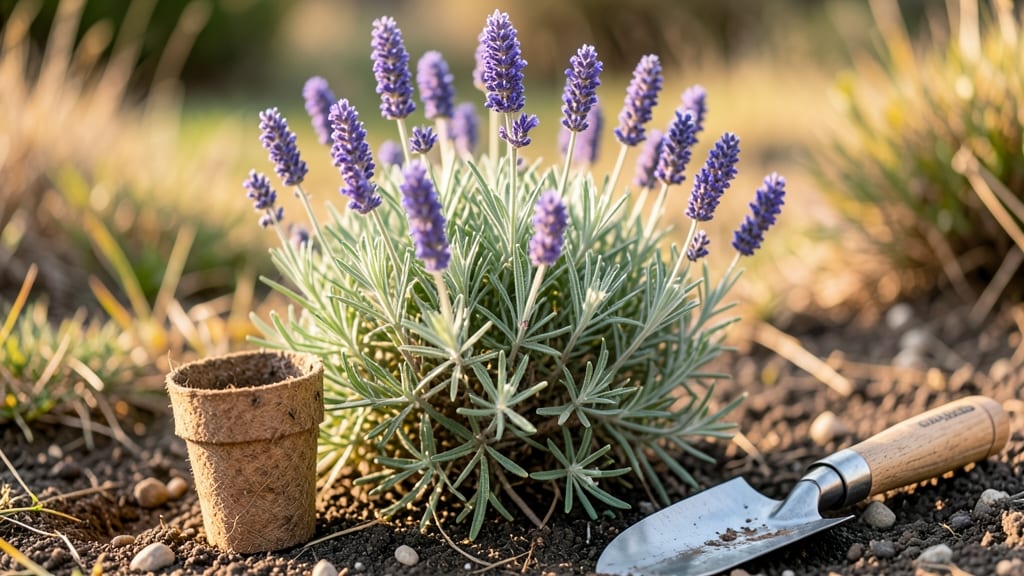
Children’s garden projects encourage creativity and learning while using simple recycled materials like plastic bottles, egg cartons, and cardboard boxes to grow seasonal plants like sunflowers, herbs, or marigolds. Start with easy-to-care-for seeds and supervise young kids to ensure safety and success.
Kids love turning everyday trash into thriving green spaces—it’s hands-on learning that builds confidence while teaching sustainability. 🌱 The key is starting small: plastic cups become fairy gardens, toilet paper rolls transform into seed starters, and even old tin cans (with drainage holes!) can hold sunflower seeds.
I’ve seen kids light up when they realize their "junk" can grow something beautiful, and the best part? These projects adapt to any season—spring for fast radishes, summer for vibrant zinnias, or fall for hearty beans.
Beyond the fun, these projects quietly develop fine motor skills, patience, and an appreciation for nature’s cycles. Plus, the recycled materials keep costs near zero while reducing waste. The secret to success?
Pick seeds that sprout in 7-10 days (like beans or marigolds) so kids see quick rewards, and always prep materials ahead—sterilized containers and pre-moistened soil make setup a breeze.
Supervision matters most with sharp scissors or small parts, but the payoff—watching a child’s face when their first leaf appears—makes every precaution worth it.
💡 In This Article
- Safe Recycled Materials for Kids’ Gardening
- Best Seasonal Plants for Beginner Children’s Gardens
Safe recycled materials for kids’ gardening
Transforming household items into planters is all about repurposing what you already have—think plastic bottles, tin cans, or even cereal boxes. The key is ensuring these materials are clean, safe, and properly prepared to create an ideal growing environment.
Start by rinsing containers thoroughly with warm, soapy water to remove residue, then sanitize them with a 1:10 bleach-to-water solution for 5 minutes to kill bacteria. This step is crucial because soil-borne pathogens can stunt plant growth or even harm kids handling the containers. 💫
Drainage is non-negotiable—plants drown without it. Poke 3-5 small holes in the bottom of containers using a nail or drill (adult supervision required here!). For tin cans, wrap the edges with duct tape to prevent sharp rims, then line the inside with plastic wrap to make cleanup easier.
Size matters too: a 6-inch diameter container works perfectly for herbs like basil, while a 12-inch tin can holds sunflowers with room to grow. Always match container size to plant maturity—crowded roots lead to weak stems.
Texture and material choice affect moisture retention. Plastic containers keep soil damp longer than cardboard, which absorbs water quickly. To extend the life of cardboard planters, coat the inside with melted wax or line them with plastic bags.
Avoid materials treated with chemicals (like treated wood or painted tin cans), as these can leach toxins into the soil. A quick test: if it smells strong or has a glossy finish, skip it—your plants (and kids) will thank you. ✨
Safety checks are the final step before planting. Round off any sharp edges with sandpaper, and avoid small parts that could pose choking hazards for little hands. For extra stability, place heavier containers (like tin cans) on saucers or trays to catch spills—this also makes watering messes easier to manage.
The best part? These repurposed planters double as educational tools. Kids can measure soil depth, track water absorption, and observe how different materials affect plant growth—all while creating something tangible from \"trash.\"
Pro tip: Label containers with plant names and dates using popsicle sticks or masking tape. This turns gardening into a science experiment! For example, compare how fast beans grow in a plastic cup versus a tin can—you’ll see how container material influences root development.
The hands-on science of recycling + gardening makes learning about ecosystems tangible and exciting. 🌱
One common mistake is ignoring sunlight needs based on container placement. A north-facing window works for herbs but won’t support sunflowers. Use this rule of thumb: if your container gets less than 4 hours of direct light daily, choose shade-tolerant plants like lettuce or mint instead.
The right material + proper prep = a thriving mini-garden that sparks curiosity and pride. 💛