
Landscaping
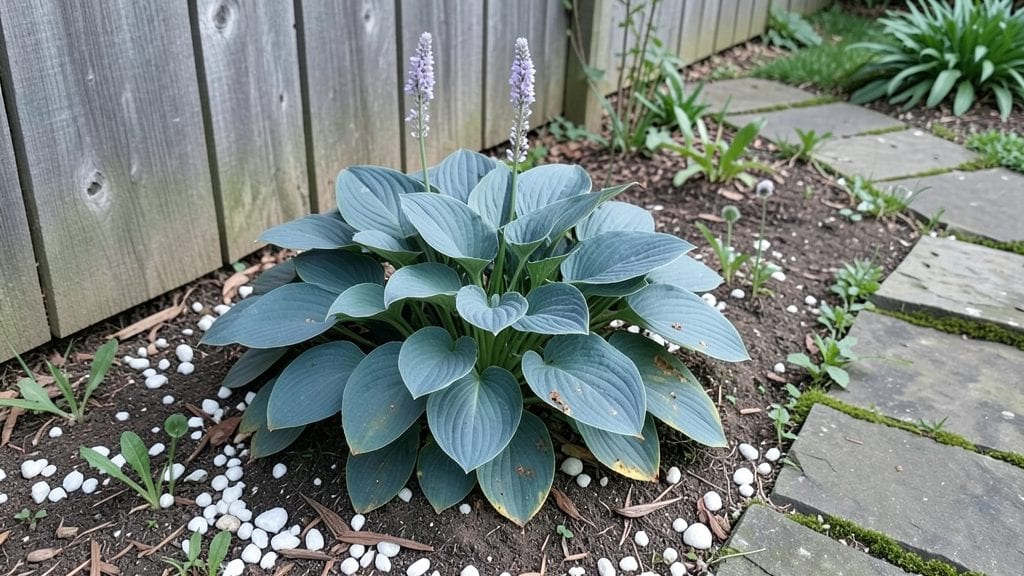
Designing a little garden that feels like an escape isn't about sacrificing beauty for space—it's about working smarter. My first tiny backyard garden became a lush, private retreat by stacking plants vertically and using every inch wisely, even in a 6x8-foot plot.
The key isn't giving up on your vision; it's finding the right plants and structures to make it happen without feeling cramped.
Start with vertical elements like trellises, wall planters, and hanging baskets to free up ground space for seating or pathways. I swapped half my ground plants for climbing varieties—jasmine, clematis, and even dwarf fruit trees—that now create a living privacy screen while adding fragrance and color.
Containers on wheels let me move plants to follow the sun, maximizing light exposure without permanent installations.
You'll end up with a garden that feels spacious and intentional, not squeezed together. Imagine stepping into a cool, fragrant nook where every plant has a purpose—whether it's blocking nosy neighbors, attracting pollinators, or simply looking stunning.
The best part? This approach works for patios, balconies, or even sunny windowsills, turning any small area into a functional oasis.
Fair warning: The biggest mistake is overcrowding. Give each plant room to breathe, and choose varieties that thrive in your light conditions. Test layouts with string or chalk before planting—trust me, it saves headaches later. Now, let's turn that cramped corner into something magical.
📚 In This Guide
- What you need
- Instructions
- Tips and common mistakes
- Wrapping up and next steps
What you need
- ● Soil & Amendments: Topsoil (2–3 cubic feet per square foot of garden bed)
- ● Compost or organic matter (1–2 bags, 40 lbs each)
- ● Mulch (cedar or shredded hardwood, 2–3 cubic feet)
- ● Plants (Privacy-Focused & Space-Saving): Dwarf or columnar evergreens (e.g., Thuja occidentalis ‘Smaragd’, 3–5 plants)
- ● Climbing plants (e.g., Clematis or Jasmine, 2–3 vines)
- ● Compact shrubs (e.g., Boxwood or Dwarf Lilac, 3–5 plants)
- ● Annuals/perennials for color (e.g., Pansies, Heuchera, 5–10 plants)
- ● Structural Elements: Trellis or lattice panel (4–6 ft tall, 2–3 panels)
- ● Vertical planters (2–4, depending on space)
- ○ Small garden bench or stool (1, optional but cozy!)
- ● Tools: Garden trowel & hand fork
- ● Pruners (bypass or anvil)
- ● Measuring tape & string line
- ● Wheelbarrow (for hauling soil)
- ● Gloves & knee pads
- ● Decor: Solar-powered path lights (3–5)
- ● Wind chimes or hanging planters
- ● Pebble stones or stepping stones (for pathways)
- ● Functionality: Mini greenhouse or cold frame (for year-round greens)
- ● Portable watering can (1–2 gallons)
- ● Garden kneeler with seat
- ● Privacy Boosters: Bamboo screens or woven fencing (4–6 ft tall)
- ● Privacy fabric or sheer curtains (for instant cover)
Instructions for creating a functional little garden design
Transform a small space into a lush, private retreat with these strategic layouts that maximize every square foot.
Define Your Garden Zones and Priorities
Begin by sketching your space to identify key areas. I always start with a 4-foot by 4-foot grid to visualize proportions—this helps prevent overcrowding while ensuring every plant has room to thrive. Mark your sunniest corner first, as most privacy plants need 6+ hours of direct light daily. If your space gets only partial sun, opt for shade-tolerant varieties like hostas or ferns.
Next, designate functional zones: a seating area (even a small bistro set counts), a vertical plant wall for herbs or flowers, and a low border for ground covers. This layout ensures you can move through the space without feeling cramped. Measure walkways at 2 feet wide—any narrower makes maintenance difficult and feels claustrophobic.
Layer Plants for Height and Privacy
Use three-tiered planting to create instant privacy and depth. Start with tall shrubs like dwarf lilacs or boxwoods at the back, planted 12-18 inches apart to fill in quickly. These act as your foundation, blocking views while providing structure. Next, add mid-height plants like hydrangeas or ornamental grasses 6-12 inches in front of the tallest specimens.
Finally, fill the front with spiller plants—trailing pachysandra or creeping thyme—that cascade over edges, softening the look and preventing a rigid, boxy appearance. This layering trick makes a 4-foot-wide border feel like a 6-foot privacy screen in just a season. Water deeply after planting to encourage root establishment, then mulch with 2 inches of shredded bark to retain moisture.
Incorporate Vertical and Overhead Space
Maximize vertical real estate with trellises, obelisks, or wall-mounted planters. I love using 6-foot obelisks for climbing roses or clematis—they add 10 feet of height without taking up ground space. For walls, install wall pockets or hanging baskets to grow trailing plants like sweet potato vine or ivy, which create a living curtain that filters light and adds texture.
Don’t overlook overhead space either. Hang bird feeders or wind chimes from pergolas or a sturdy branch to draw the eye upward and make the garden feel larger. If your space has a ceiling fan or overhang, consider suspended planters with air plants or small succulents—they add greenery without blocking light or taking up floor space.
Add Functional Privacy Elements
Combine living plants with hard structures to create seamless privacy. A 6-foot-tall lattice panel painted in a neutral tone blends with greenery while providing instant screening. For a softer look, use bamboo screens or woven panels—they’re lightweight, affordable, and can be propped against fences or walls. Place them 12 inches from the ground to allow airflow and prevent mold buildup.
For a cozy, enclosed feel, add a small arbors or pergola (even a 4-foot by 4-foot model) draped with climbing roses or jasmine. This creates a defined entryway or seating nook while adding vertical interest. If your space is against a fence, attach a rolling lattice that you can adjust seasonally—open it in summer for airflow, close it in winter for extra insulation.
Maintain Year-Round Interest and Functionality
Select plants with seasonal color or texture to keep the garden vibrant. Pair evergreens like holly or boxwood with spring bulbs (daffodils, tulips) and fall foliage (Japanese maple, sumac). Add winter interest with ornamental grasses or berry-producing shrubs like winterberry holly. This ensures your 4-foot by 4-foot design never looks bare.
Include practical elements like a small bench, storage box, or potted citrus tree to make the space usable year-round. A foldable table tucked into a corner doubles as a dining area or workspace. For extra privacy in winter, add outdoor curtains on a freestanding frame—they’re lightweight, easy to store, and block wind while letting in light.
Tips & tricks for perfect little garden designs
Creating a functional small garden isn't just about planting—it's about strategic design that maximizes every inch. Here are the essential insights I've learned from transforming tight spaces into lush, private retreats.
Precision in Plant Spacing: The 12-18 inch spacing for tall shrubs in Step 2 might seem generous, but trust me—this prevents future overcrowding. I've seen too many small gardens where plants compete for sunlight and nutrients, stunting growth. For mid-height plants, maintain that 6-12 inch frontage from taller specimens to create that illusion of depth. When planting spillers like trailing pachysandra, leave 18 inches between plants—they'll spread aggressively and need room to cascade without smothering each other.
Light Analysis is Non-Negotiable: That sunniest corner you identify in Step 1 isn't just about aesthetics—it's about plant viability. I once planted sun-loving roses in a shady corner and watched them struggle for years. Use a light meter or observe your space for at least 24 hours to track sunlight patterns. For partial shade areas, choose plants like astilbe or coral bells that thrive with 3-6 hours of sunlight. Remember, even shade-tolerant plants need some light to prevent leggy, weak growth.
Vertical Integration Secrets: The 6-foot obelisks mentioned in Step 3 are game-changers, but here's what nobody tells you: Install them at a slight angle (about 5 degrees) to create visual interest while maximizing climbing space. For walls, use staggered wall pockets—place some higher, some lower—to create dynamic visual lines. And when hanging bird feeders or wind chimes, position them at varying heights (some at eye level, others near the ground) to draw the eye upward and make the space feel larger than it is.
Seasonal Layering Strategy: That 4-foot by 4-foot design in Step 5 can look stunning year-round with this trick: Plant spring bulbs like daffodils right at the base of your evergreens. As the bulbs fade in summer, they won't leave bare spots because the evergreens will fill in. For winter interest, incorporate plants like hellebores that bloom early and provide color when most gardens are dormant. I've seen small gardens that look completely different each season—this is how you achieve that transformation.
Pro Tips for Little Garden Design
- Creating a functional small garden isn't just about planting—it's about strategic design that maximizes every inch.
- Precision in Plant Spacing: The 12-18 inch spacing for tall shrubs in Step 2 might seem generous, but trust me—this prevents future overcrowding.
- Light Analysis is Non-Negotiable: That sunniest corner you identify in Step 1 isn't just about aesthetics—it's about plant viability.
Frequently asked questions
Got questions about maximizing your little garden design? Here are some common ones—and their practical solutions!
What are the best small-space plants for year-round privacy?
Opt for compact evergreens like dwarf conifers or ornamental grasses (e.g., Carex or Miscanthus). For foliage, try boxwood hedges or ivy-covered trellises. Climbing plants like Clematis or Jasmine add vertical privacy without sprawling.
How long does it take to see noticeable privacy in a small garden?
Fast-growing options like bamboo (running types) or willow trees can provide partial privacy in 1–2 years. Slower-growing shrubs (e.g., Holly) take 3–5 years for full coverage. Layering plants of different heights speeds up the effect!
Are there budget-friendly alternatives to expensive privacy screens?
Yes! Use recycled pallet wood for DIY screens, lattice panels (painted or stained), or climbing vines on trellises. Natural options like bamboo fencing or woven willow screens are affordable and eco-friendly.
Can I design a small garden with no direct sunlight?
Choose shade-tolerant plants like Hostas, Ferns, or Caladiums. For privacy, try dwarf rhododendrons or ivy-covered walls. Add reflective surfaces (mirrors, light-colored pots) to brighten the space.
What’s the easiest way to troubleshoot overcrowding in a tiny garden?
Start by pruning back overgrown plants and removing weeds regularly. Use vertical gardening (hanging planters, wall pockets) to free up floor space. If needed, relocate slower growers to larger areas and replace them with compact varieties.
Wrapping up and next steps
A little garden design doesn’t mean sacrificing style or functionality—it’s all about smart planning and creative solutions! 🌿 Whether you’re maximizing vertical space, choosing the right plants, or adding cozy privacy screens, your small outdoor oasis can thrive year-round.
With the right materials and a dash of imagination, even the tiniest patch of earth can become a serene retreat.
Ready to get started? Sketch your vision today—measure your space, pick your favorite elements, and let your garden grow! 🌱✨