
Tools
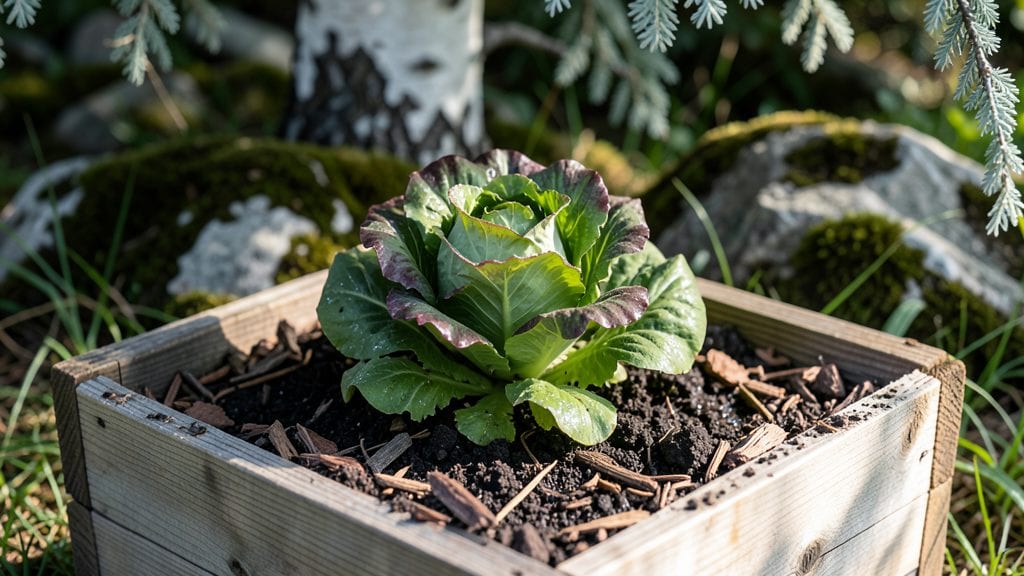
A little backyard garden doesn’t mean sacrificing beauty or function—my 6x8-foot space now doubles as a fragrant privacy screen and a stunning focal point, all thanks to climbing roses. 🌿 The key is choosing the right varieties and training them strategically to maximize vertical space while keeping the ground clear for seating or a small path.
You’ll need just three climbing rose bushes—like ‘New Dawn’ or ‘Blaze’—paired with sturdy trellises or an obelisk to guide their growth. Add a layer of evergreen shrubs at the base to fill gaps, and you’ll have lush coverage from spring through fall.
The fragrance alone makes it worth the effort, but the real magic happens when you weave in coral bells or clematis for extra texture and seasonal interest.
By summer, you’ll have a living wall of blooms that blocks nosy neighbors while inviting hummingbirds and butterflies into your space. The roses climb high enough to shade a patio table, and their repeat-flowering habit means you’ll enjoy color until the first frost.
Plus, the scent lingers on warm evenings—something store-bought screens can’t replicate.
This design works for any compact yard, whether you’re dealing with a narrow side plot or a cramped urban backyard. The same principles apply: vertical growth, layered plants, and smart spacing turn a postage-stamp garden into a serene retreat. Let’s get your privacy screen growing!
📚 In This Guide
- What you need
- Instructions
- Tips and common mistakes
- Wrapping up and next steps
What you need
- ● Climbing rose bushes: 2–4 plants (choose fragrant varieties like 'Blaze' or 'New Dawn' for seasonal blooms).
- ● Trellis or arbor: 6–8 ft tall (metal or wooden; ensure it’s sturdy for vine support).
- ● Garden soil: 2–3 bags of high-quality, well-draining potting mix (or compost-amended native soil).
- ● Organic fertilizer: 1 bag of balanced rose-specific fertilizer (10-10-10 or similar).
- ● Mulch: 1–2 bags of wood chips or straw (to retain moisture and suppress weeds).
- ● Pruning shears: Sharp, bypass-style (for clean cuts and shaping).
- ● Garden gloves: 1 pair (to protect hands from thorns and dirt).
- ● Watering can or hose: With a gentle spray nozzle (roses love deep watering!).
- ● Stakes or ties: 4–6 wooden or plastic stakes + soft plant ties (to secure vines to the trellis).
- ● Rose food: Liquid or granular (for extra blooms and fragrance).
- ● Epsom salt: 1–2 lbs (magnesium boost for lush foliage).
- ● Pest control: Neem oil or insecticidal soap (organic options for aphids/beetles).
- ● Decorative lights: Solar-powered string lights (for evening ambiance!).
- ● Bench or seating: A cozy spot to enjoy your fragrant retreat.
Step-by-Step instructions for creating a little backyard garden
Here's how to craft a fragrant, private retreat using climbing roses that thrives all season long.
🌱 Step 1: Choose and Prepare Your Planting Site
Select a location with at least 6 hours of sunlight daily. Climbing roses need full sun to produce abundant blooms and strong growth. I always check the afternoon sun path—roses planted in deep shade will grow leggy and produce few flowers. Mark your space with stakes to visualize the final trellis or fence.
Clear the area of weeds and debris, then loosen the soil to a depth of 12 inches using a garden fork. This improves drainage and root spread. If your soil is heavy clay, mix in 2-3 inches of compost to lighten it. The goal is soil that crumbles easily when moist—not compacted or waterlogged.
🪴 Step 2: Install Support Structures
Install your trellis, fence, or arbor before planting. For a 6-foot-tall fence**, space posts every 6 feet and attach horizontal supports every 2 feet for the roses to climb. I use galvanized metal hardware to ensure it lasts through seasons. The structure should be sturdy enough to support the weight of blooms and vines.
Position the support so it faces south if in the Northern Hemisphere—this maximizes sunlight exposure. For a curved arbor, bend flexible materials like willow branches while green to shape them naturally. Avoid pressure-treated wood if planting edibles nearby, as the chemicals can leach into soil.
☀️ Step 3: Plant Roses with Proper Spacing
Dig holes twice as wide as the root ball but no deeper. This encourages roots to spread horizontally rather than settling too low. Gently remove the rose from its container and tease out any circling roots with your fingers. Place the plant in the hole so the graft union sits 2-3 inches above soil level.
Fill the hole with native soil, pressing lightly to eliminate air pockets. Water deeply to settle the soil around roots. Space plants 4-6 feet apart for proper airflow—crowding leads to fungal diseases. I always mulch with 2-3 inches of organic mulch (like shredded bark) to retain moisture and suppress weeds.
💧 Step 4: Water and Fertilize for Strong Growth
Water immediately after planting, then again every 2-3 days until new growth appears. Roses need consistent moisture, especially during their first year. You'll know they're getting enough when the soil feels damp 2 inches below the surface but not soggy. Avoid wetting the leaves to prevent fungal diseases.
Apply a balanced 10-10-10 fertilizer at planting time, then again in early spring and midsummer. Follow package instructions for amounts—over-fertilizing burns roots. I also add a handful of bone meal to the planting hole for phosphorus, which encourages strong root and bloom development.
✂️ Step 5: Prune and Maintain for Year-Round Blooms
Prune in late winter or early spring to shape the plant and encourage flowering. Remove dead or crossing branches first, then cut back remaining stems to an outward-facing bud. For climbing roses, leave the strongest canes to grow vertically. You'll see new growth within 4-6 weeks—this is your signal that pruning worked.
Deadhead spent blooms regularly to redirect energy to new flowers. Tie new growth to the trellis with soft plant ties as it grows—this prevents wind damage and guides the vines upward. Watch for pests like aphids; a strong spray of water usually dislodges them. With proper care, your roses will provide fragrant privacy from spring through fall.
Tips & tricks for perfect backyard rose privacy screens
Creating a fragrant rose screen takes patience and attention to detail—here are the secrets that'll make your climbing roses thrive and flourish all season.
Sunlight Strategy: Those 6 hours of sunlight are non-negotiable for climbing roses, but here's the thing: morning sun is more important than afternoon. If you're in a hot climate, afternoon shade helps prevent sunburn on delicate petals. I've seen roses in full afternoon sun struggle with leaf scorch, even with proper watering. Trust me on this—check that morning sun path first when choosing your spot.
Soil Preparation Secret: When loosening that 12-inch depth of soil in Step 1, go beyond just breaking up clumps. Aim for soil that crumbles like cake when moist—not like wet sand. If your soil is naturally compacted, rent a rototiller for 15 minutes to really open it up. For heavy clay, mix in that 2-3 inches of compost right down to the bottom of the hole—not just on top. The roots need air and nutrients at all levels.
Support Structure Wisdom: For that 6-foot-tall fence, don't skimp on the 6-foot post spacing. I've seen fences sag under heavy blooms when posts are too far apart. Use 4x4 pressure-treated posts buried 2 feet deep—this gives you the stability you need. Pro tip: Install a horizontal support wire at the very top of your fence. Roses will naturally climb upward, and this prevents them from flopping over when fully blooming.
Pruning Payoff: That 4-6 week window for new growth after pruning is your best indicator of success. If you don't see new buds forming within this time, you might have pruned too late or too aggressively. For climbing roses, always leave at least 3-4 strong canes—these will produce the most flowers. And here's what nobody tells you: The first flush of blooms after pruning will be smaller than subsequent ones. Don't be discouraged—this is completely normal as the plant establishes itself.
Pro Tips for Little Backyard Garden
- Creating a fragrant rose screen takes patience and attention to detail—here are the secrets that'll make your climbing roses thrive and flourish all season.
- Sunlight Strategy: Those 6 hours of sunlight are non-negotiable for climbing roses, but here's the thing: morning sun is more important than afternoon.
- Soil Preparation Secret: When loosening that 12-inch depth of soil in Step 1, go beyond just breaking up clumps.
Frequently asked questions
What’s the best time of year to plant climbing roses for a backyard garden?
For most climates, late winter or early spring (after the last frost) is ideal. In warmer regions, fall planting (6–8 weeks before the first frost) also works well. Young roses need time to establish roots before summer heat or winter cold hits.
How much space do I really need for a climbing rose garden?
Climbing roses thrive with 6–8 feet of vertical space (like a trellis, fence, or pergola) and 3–4 feet of ground clearance for their roots. For a "little" garden, a 4’x4’ area is plenty—just ensure good airflow to prevent disease.
Can I grow climbing roses in containers if my backyard is tiny?
Use a large container (at least 15–20 gallons) with drainage holes and a sturdy trellis or obelisk. Dwarf or mini climbing varieties (like ‘New Dawn’ or ‘Blaze’) are perfect for containers. Just water and fertilize more frequently than in-ground plants.
Why are my climbing rose leaves turning yellow, and how do I fix it?
Yellow leaves often signal overwatering, nutrient deficiency, or fungal issues. Check the soil moisture (roses hate soggy roots), test pH (aim for 6.0–6.5), and prune dead/diseased branches. A balanced rose fertilizer in spring/fall can also help.
Do climbing roses need full sun, or can they tolerate partial shade?
While 6+ hours of direct sun is best for fragrant blooms, climbing roses can handle 4–5 hours in partial shade (especially in hot climates). Just expect fewer flowers and weaker growth. East-facing or dappled-light spots work well for a "little" garden.
Wrapping up and next steps
A little backyard garden doesn’t have to be small on charm—or privacy! 🌹 With fragrant climbing roses, you’ve got a year-round solution that’s as beautiful as it is functional.
Whether you’re a seasoned gardener or just starting out, this project brings nature’s elegance to your space while keeping your outdoor moments cozy and serene.
Ready to transform your backyard? Start small—pick a sunny spot, gather your supplies, and let those roses climb to work! Your future self (and your neighbors) will thank you. 🌿