
Tools
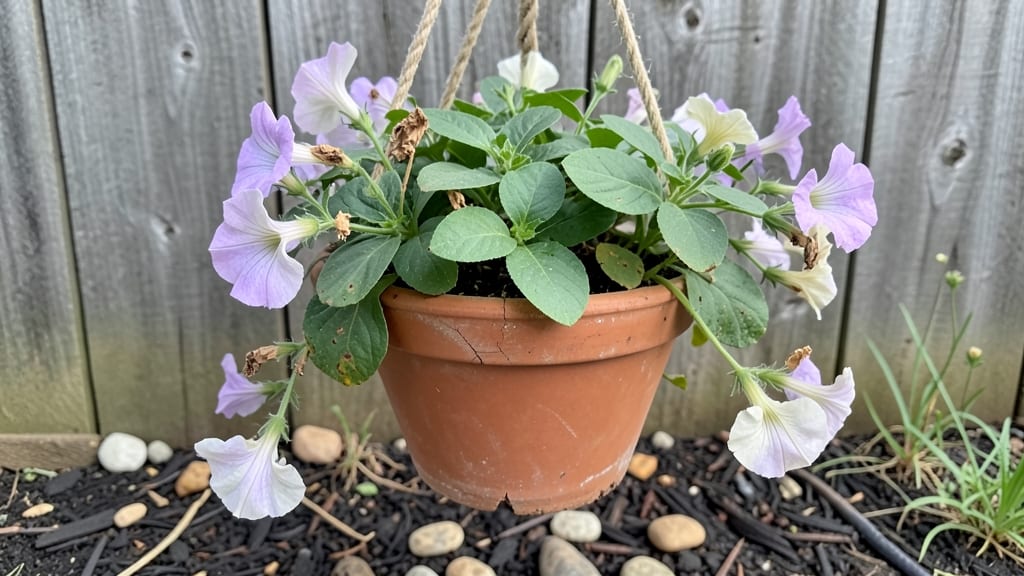
A little balcony garden can transform a concrete jungle into a thriving oasis. I turned my 6-by-8-foot space into a lush retreat by stacking plants vertically and choosing compact varieties that love small containers.
The key is thinking upward and outward instead of just outward—every inch counts when your yard is a few square feet.
Start with a sturdy railing planter or wall-mounted pockets for herbs like thyme and parsley—they thrive in shallow roots and smell amazing when brushed against. Add a few dwarf tomatoes in fabric grow bags and let them climb a trellis, freeing up floor space.
For flowers, petunias and nasturtiums spill over edges beautifully while attracting pollinators. The right containers make all the difference: self-watering pots reduce trips outside, and cascading styles maximize visual impact.
By mid-summer, you'll have a garden that feels surprisingly abundant. The scent of basil wafting through an open window, the sight of cherry tomatoes ripening on vines, and the cheerful faces of blooming flowers make this tiny space feel like a vacation.
Plus, you'll harvest fresh greens and herbs year-round without needing a backyard.
This setup works in any climate—just swap heat-loving peppers for cold-hardy kale in cooler zones. The beauty is in the layers: ground-level pots, wall-mounted tiers, and hanging baskets create depth where square footage is scarce. Let’s make your balcony bloom!
📚 In This Guide
- What you need
- Instructions
- Tips and common mistakes
- Wrapping up and next steps
What you need
- ● Containers: 3–5 medium-sized pots (10–12 inches deep) or vertical planters (depending on space). Opt for lightweight, durable materials like fabric grow bags, plastic, or terracotta.
- ● Potting Mix: 1–2 bags of high-quality, well-draining balanced potting soil (avoid garden soil—it compacts too much!).
- ● Drainage: Small pebbles or perlite (1–2 cups per pot) to prevent root rot.
- ● Seeds or Seedlings: 3–5 compact plants (e.g., herbs like basil or thyme, lettuce, cherry tomatoes, or dwarf peppers).
- ● Slow-release fertilizer (1–2 tablets per pot) or liquid fertilizer (diluted weekly).
- ● Watering Can or Spray Bottle: A 1-gallon can with a gentle spray nozzle works best for delicate seedlings.
- ● Gloves & Pruners: A pair of gardening gloves and small bypass pruners for trimming.
- ● Self-watering system (e.g., wicking pots or drip irrigation) for busy schedules.
- ● Balcony trellis or wall-mounted planters to maximize vertical space.
- ● Soil moisture meter to avoid over- or under-watering.
- ● Decorative elements like solar-powered lights or colorful pot holders for a cozy vibe.
Instructions for creating your little balcony garden
Here’s how to transform limited space into a thriving, layered urban oasis—step by step.
Choose and Prepare Your Containers
Start with containers that fit your balcony’s weight limits and drainage needs. I prefer lightweight plastic or ceramic pots with saucers to catch excess water. For the 4 plants we’re growing, use two 12-inch pots and two 8-inch pots—this gives each plant enough room while keeping the setup compact. Place a 1-inch layer of gravel in the bottom of each pot before adding soil to improve drainage and prevent root rot.
If your balcony has railings, hang a wall-mounted planter for trailing plants like petunias or nasturtiums. These vertical options free up floor space while adding texture and color. Just ensure the planter has sturdy hooks or brackets that can support the weight of soil and plants when watered.
Layer Soil and Plant Your Foundation Plants
Fill each pot with 2 gallons of potting mix—this provides enough volume for roots to spread without becoming waterlogged. For the two 12-inch pots, plant one herb (like basil or thyme) and one flowering plant (like geraniums or marigolds). These are your foundation plants—they’ll anchor the design and provide structure. Press the soil gently around the roots to remove air pockets, then water thoroughly until it drains from the bottom.
For the 8-inch pots, choose smaller plants like succulents or compact lettuce varieties. Succulents thrive in shallow containers and need less frequent watering, while lettuce grows quickly and can be harvested in 3-4 weeks. Place these pots near the edge of the balcony or along the railing to maximize visibility and airflow.
Add Trailing and Filler Plants for Depth
To create visual layers, add trailing plants like sweet potato vine or trailing lobelia to the edges of your pots. These will spill over gently, softening the look and filling empty space. For the wall-mounted planter, plant one trailing plant and one compact bushy plant (like a small fuchsia) to create a balanced, cascading effect. Water lightly after planting to help the soil settle around the roots.
If you’re using two 12-inch pots, tuck one trailing plant into each. Over time, these will grow outward, creating a lush, full appearance without taking up extra floor space. Avoid overcrowding—leave at least 2 inches of space between plants to prevent competition for nutrients and water.
Arrange for Sunlight and Accessibility
Position your pots where they’ll receive the right amount of sunlight for each plant. Herbs like basil need 6+ hours of direct sun, while lettuce prefers partial shade (4-6 hours of sun). If your balcony gets afternoon sun, move lighter-needing plants (like lettuce) to the north side and sun-lovers (like herbs) to the south. Rotate pots a quarter turn weekly to ensure even growth.
Place frequently used plants (like herbs) within easy reach—you’ll be harvesting them often, and you don’t want to stretch or strain. Keep a small watering can nearby to make maintenance effortless. Group pots with similar watering needs together to simplify care; succulents need water every 2-3 weeks, while herbs and lettuce may need daily watering in hot weather.
Maintain and Enjoy Your Compact Garden
Check soil moisture daily during the first week, then adjust based on weather. Stick your finger 1 inch into the soil—if it feels dry, it’s time to water. Avoid letting soil stay soggy, especially in pots, as this can lead to root rot. Fertilize every 4-6 weeks with a balanced liquid fertilizer (like 10-10-10) to keep plants healthy and blooming.
Deadhead spent flowers regularly to encourage more blooms, and trim herbs back by one-third when they get leggy. This keeps them bushy and productive. With 4 well-chosen plants, your balcony garden will feel lush and intentional, even in a small space. Sit back, enjoy the greenery, and watch your urban retreat flourish.
Tips & tricks for perfect little balcony garden design
Creating a stunning balcony garden in limited space takes a few strategic moves—here’s how to make the most of every inch.
Container Selection Matters: When choosing your two 12-inch pots and two 8-inch pots, prioritize containers with drainage holes and saucers to prevent water damage to your balcony. I’ve found that lightweight plastic pots are ideal for herbs like basil or thyme since they’re easy to move around for sunlight adjustments. For the wall-mounted planter, opt for one with sturdy mounting hardware—nothing worse than watching your new petunias take an unexpected trip to the ground! The 1-inch gravel layer in Step 1 is non-negotiable for preventing root rot, especially in urban environments where drainage can be inconsistent.
Plant Pairing for Harmony: In Step 2, when planting your foundation plants, pair herbs with flowering companions that have similar water needs. For example, basil thrives alongside marigolds because both enjoy full sun and regular watering, while thyme pairs beautifully with geraniums. This pairing strategy creates a self-sustaining microclimate where each plant supports the other’s growth. Remember to leave that 2-inch space between plants in Step 3—it might seem like wasted space now, but it prevents competition for nutrients and allows air to circulate, reducing disease risk.
Sunlight Strategy for Small Spaces: The sunlight requirements in Step 4 are crucial for success. If your balcony gets intense afternoon sun, consider using reflective surfaces like white walls or mirrors to bounce extra light to your lettuce plants, which prefer partial shade. I’ve found that rotating pots weekly (as mentioned) helps prevent plants from leaning toward the sun, keeping them growing upright and compact. For herbs like basil, position them where they’ll get that full 6+ hours of direct sun, but be prepared to move them if shadows appear later in the day.
Maintenance Shortcuts: In Step 5, I’ve learned that sticking your finger 1 inch into the soil is the most reliable way to check moisture—it’s faster than using a moisture meter and gives you an immediate sense of what your plants need. For the daily watering needs of herbs and lettuce, I keep a small watering can with a long spout on my balcony at all times. This makes it effortless to water deeply without disturbing the soil around your plants’ roots. And when fertilizing every 4-6 weeks, I mix the 10-10-10 fertilizer directly into my watering can to make application quick and even.
Pro Tips for Little Balcony Garden
- Creating a stunning balcony garden in limited space takes a few strategic moves—here’s how to make the most of every inch.
- Container Selection Matters: When choosing your two 12-inch pots and two 8-inch pots, prioritize containers with drainage holes and saucers to prevent water damage to your balcony.
- Plant Pairing for Harmony: In Step 2, when planting your foundation plants, pair herbs with flowering companions that have similar water needs.
Frequently asked questions
What are the best plants for a small balcony garden with limited sunlight?
Opt for low-light lovers like snake plants, pothos, or cast iron plants. Herbs such as parsley, cilantro, and mint thrive in partial shade too. For tiny balconies, choose compact varieties like dwarf lemon trees or bush beans. If your space gets morning sun only, try lettuce, spinach, or Swiss chard—they’ll still grow happily!
How often should I water my balcony garden?
Watering depends on your plants and climate, but most balcony gardens need water every 2–3 days in warm weather. Check soil moisture with your finger—if the top inch is dry, it’s time! Containers dry out faster than ground soil, so water thoroughly until it drains from the bottom. Morning watering prevents evaporation and fungal issues.
Can I create a balcony garden on a budget?
Skip expensive planters—use recycled containers like yogurt cups, tin cans, or old buckets. Repurpose household items (e.g., hanging shoe organizers for herbs) or check thrift stores for cheap pots. Start with seeds instead of seedlings to save cash, and propagate cuttings from friends’ plants for free!
How do I keep pests away from my small balcony garden?
Prevent pests with natural barriers: Use neem oil spray, companion planting (e.g., marigolds repel aphids), or diatomaceous earth around soil edges. Inspect leaves regularly for early signs of trouble. Elevate pots off the ground to deter ants and slugs, and avoid overwatering—moist soil attracts pests. A simple homemade garlic spray (blend garlic + water + soap) works wonders!
What’s the best time of year to start a balcony garden?
Start in early spring (after the last frost) for most plants, but you can grow cold-hardy crops like kale or spinach in late winter. In warmer climates, fall is ideal—cooler temps mean less watering. Herbs and succulents can grow year-round indoors with bright light. If your balcony gets chilly, use frost cloths or move pots inside during winter.
What if my balcony garden fails? How do I troubleshoot?
Don’t panic! Yellow leaves? Check for overwatering or nutrient deficiency (try a balanced fertilizer). Wilting plants? They may need more water or sunlight. No growth? Test soil pH (most plants prefer 6.0–7.0) or adjust light exposure. Keep a plant journal to track conditions—it’s a game-changer for diagnosing issues next time!
Wrapping up and next steps
A little balcony garden isn’t just about saving space—it’s about creating a thriving oasis of greenery, no matter how small. With the right layers, containers, and care, you’ve got everything you need to turn your urban retreat into a lush, functional haven. 🌿
Now that you’re armed with tips and tricks, it’s time to roll up your sleeves and start planting! Begin with one corner, experiment with textures, and let your creativity grow. Happy gardening—your balcony (and future harvests) will thank you!