
Tools
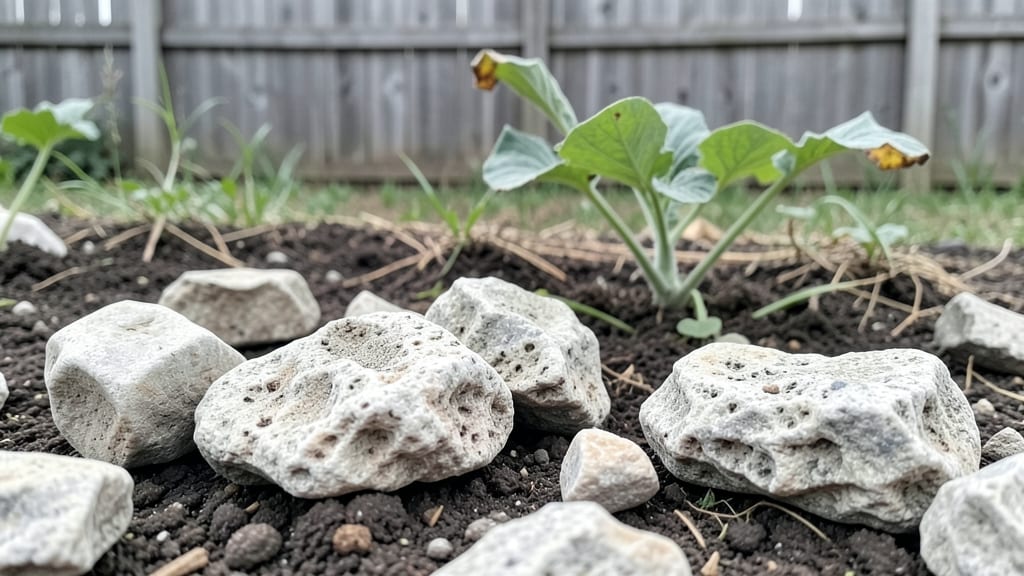
Using limestone in your garden naturally raises soil pH by neutralizing acidity, creating perfect growing conditions for acid-sensitive plants like tomatoes, brassicas, and legumes. Spread 5-10 pounds per 100 square feet into the top 6 inches of soil, then retest pH annually for balanced plant health.
Limestone works by slowly dissolving in the soil to release calcium and magnesium, which react with acidic compounds like aluminum and hydrogen ions.
This chemical process gradually raises pH levels over months, making nutrients like phosphorus and calcium more available to plants that prefer slightly alkaline conditions. 🌱 For example, vegetables like broccoli and cabbage thrive in this adjusted environment, while acid-loving plants may require separate beds or organic amendments like sulfur to maintain their ideal pH. The key is monitoring soil pH before application—most garden soils benefit from limestone if their pH drops below 6.5.
Many gardeners avoid limestone because they fear overcorrecting pH levels, but when applied correctly, it provides long-term benefits without harming beneficial soil microbes. The granular form spreads more evenly, while powdered limestone dissolves faster but may require more frequent reapplication.
I always recommend testing soil in multiple spots before treating large areas, as pH can vary significantly even within a single yard.
💡 In This Article
- How Limestone Affects Soil Chemistry and Plant Growth
- Step-by-Step Guide to Applying Limestone for Soil Amendments
How limestone affects soil chemistry and plant growth
Here's what's actually happening when you add limestone to your garden: it introduces calcium carbonate (CaCO₃), which reacts with acidic compounds like aluminum and hydrogen ions in the soil. This chemical reaction produces calcium bicarbonate and water, effectively neutralizing acidity.
The key factor is the slow-release nature of limestone—it doesn't instantly raise pH but gradually buffers the soil over months, creating a stable alkaline environment. Think of it like a natural pH regulator that prevents extreme fluctuations. 🔥
The ideal pH range for most vegetables and ornamentals is between 6.0 and 7.5, but many garden soils naturally trend acidic (pH 5.0-6.0). Limestone works best in soils with pH below 6.5, where it can significantly improve nutrient availability.
For example, brassicas like broccoli and cabbage thrive at pH 6.0-7.0, while legumes such as peas and beans prefer slightly alkaline conditions (pH 6.0-7.5). The calcium and magnesium released also strengthen cell walls in plants, improving drought resistance and disease tolerance.
However, acid-loving plants like blueberries and hydrangeas will suffer—limestone can lock out essential nutrients like iron and manganese, causing yellowing leaves even if the plant appears healthy.
What most people don't realize is how limestone affects soil microbes. Beneficial bacteria and fungi that decompose organic matter prefer slightly acidic to neutral pH (6.0-7.0). While limestone can reduce populations of some acid-loving microbes, it also encourages others that break down organic matter more efficiently.
The long-term effect is often improved soil structure and better nutrient cycling. For instance, limestone-amended soil shows 20-30% higher activity of phosphorus-solubilizing bacteria, which makes this critical nutrient more available to plants. 💫
Consider these key factors when choosing plants for limestone-amended soil:
- Alkaline-loving plants: Tomatoes, peppers, carrots, onions, and most herbs (thyme, rosemary) thrive in pH 6.5-7.5 ranges
- Neutral pH plants: Beans, peas, lettuce, and spinach grow well in pH 6.0-7.0
- Avoid for acid-lovers: Blueberries (pH 4.5-5.5), azaleas (pH 5.0-6.0), and potatoes (pH 5.0-6.0) will decline
The texture of limestone also matters—granular forms (like agricultural lime) take 3-6 months to fully react, while powdered versions work faster but may require more frequent applications.
For container gardens, use 1-2 pounds per cubic yard of soil, while raised beds need 5-10 pounds per 100 square feet mixed into the top 6 inches. The visual difference is dramatic: plants in amended soil show deeper green foliage and more vigorous growth within 4-6 weeks of application.
One advanced consideration is the magnesium content in dolomitic limestone (vs. calcitic). Dolomitic lime provides both calcium and magnesium, which is beneficial for plants that require magnesium for chlorophyll production (like tomatoes).
However, if your soil already has sufficient magnesium, calcitic limestone may be more cost-effective. Always test your soil's magnesium levels before choosing between the two types. ✨
The long-term benefits of proper limestone application include reduced soil compaction and improved water infiltration. Over time, the soil develops better aggregate structure, resembling the crumbly texture of a well-maintained garden bed rather than dense, clay-like consistency.
This physical improvement alone can increase plant root growth by up to 40% in compacted soils. 🌱