
Landscaping
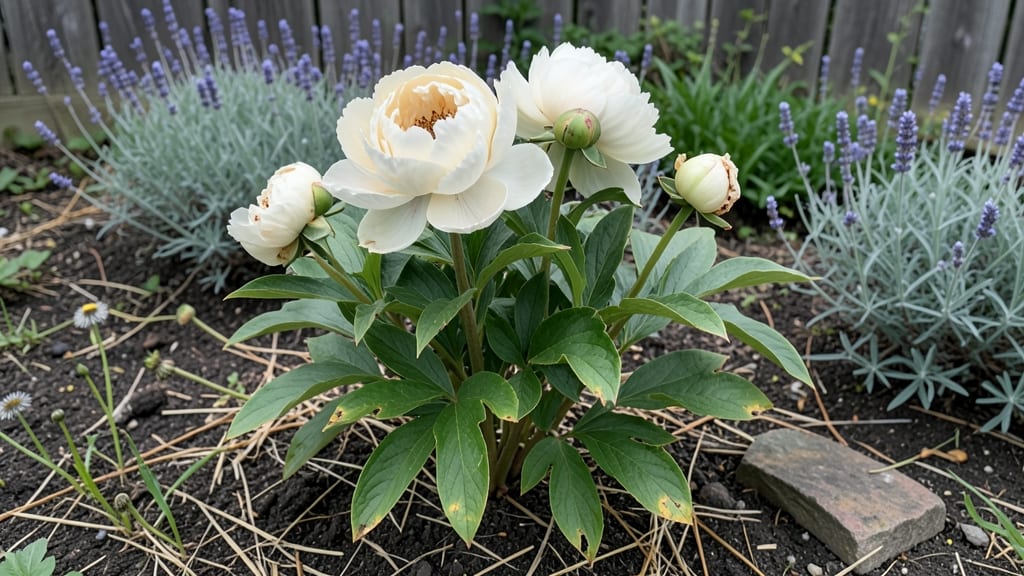
A landscaping peony garden turns your yard into a fragrant, velvety dream that returns bigger every year—here are three designs blooming late spring through summer, using bold color blocks and layered textures for drama with minimal fuss. 🌸 of high-maintenance plants.
The secret lies in pairing peonies with the right companions—perennials that thrive in their shade and grasses that soften their bold forms.
Start with your climate’s best varieties: Sarah Bernhardt for lush pink blooms, Kansas for deep red drama, or Bowl of Beauty for white elegance. Plant them in clumps of 3-5, spaced 3-4 feet apart, with their eyes (buds) just below soil level.
Amend heavy clay with compost and mulch well—peonies hate competition, but they’ll reward you with decades of blooms if you give them good drainage and sunlight.
By midsummer, your garden will burst with 3-foot-tall clouds of petals, their scent lingering in the evening air. Add salvia, catmint, or ornamental grasses at their base to fill gaps and attract pollinators.
The best part? Once established, peonies need almost no care—just deadheading spent blooms and dividing clumps every 5-7 years to keep them vigorous.
This design works for cottage gardens, modern borders, or formal hedges—adjust spacing and companions to match your style. Whether you go for a monochromatic palette or a wildflower-meets-peony mix, the result is a garden that feels like a hug every spring. Let’s make yours unforgettable.
📚 In This Guide
- What you need
- Instructions
- Tips and common mistakes
- Wrapping up and next steps
What you need
- ● Peony plants: 5–10 bare-root or container-grown peonies (herbaceous or tree types). Choose disease-resistant varieties like 'Sarah Bernhardt' or 'Kansas' for reliability.
- ● Soil amendments: 5–10 lbs of compost (per plant)
- ● 2–3 lbs of bone meal (for phosphorus-rich roots)
- ○ Optional: Peony-specific fertilizer (e.g., 10-10-10 NPK)
- ● Mulch: 2–3 inches of organic mulch (e.g., shredded bark or straw) to retain moisture.
- ● Tools: Garden shovel and trowel
- ● Pruning shears (for deadheading)
- ● Garden gloves (to protect from thorns!)
- ● Watering hose or drip irrigation system
- ● Support structures: Small stakes or rings to prop up heavy blooms.
- ● Companion plants: Low-growing perennials (e.g., salvia or lavender) for contrast.
- ● Decorative elements: Garden flags, stepping stones, or a trellis for a polished look.
- ● Soil test kit: To check pH (ideal: 6.0–7.0) before planting.
How to design a low-maintenance peony garden that returns year after year
Peonies thrive when planted right—they reward patience with decades of blooms. Here's how to create a fragrant, long-lasting display with minimal fuss.
🌱 Step 1: Select and Prepare the Planting Site
Peonies demand full sun—at least 6 hours of direct light daily—but they’ll tolerate 4 hours if afternoon shade is provided. I always test the spot by marking where the sun hits at midday; peonies wilt when crowded by trees or shrubs that steal nutrients. Choose a location with well-draining soil—clay or rocky ground will cause root rot, so amend heavy soil with 2-3 inches of compost mixed into the top 12 inches of earth.
Dig a hole twice as wide as the root ball but only 6 inches deep—peonies hate being buried too deep, which encourages floppy stems. Loosen the roots gently if they’re circling the container (a common nursery habit). Here’s the thing—planting depth matters most: the eyes (buds) should sit 1-2 inches below soil level. If buried deeper, blooms won’t emerge; if too shallow, they’ll flop.
🪴 Step 2: Plant Peony Roots Correctly for Strong Growth
Place the root ball in the hole and backfill with the native soil-compost mix, tamping lightly every 2 inches to eliminate air pockets. Water deeply until the soil 1 inch below the surface feels evenly moist—this settles the roots into place. I like to add a 1-inch layer of mulch (like shredded bark) around the base but keep it 2 inches away from the crown to prevent rot.
Peonies establish slowly, so avoid fertilizing the first year. Overfeeding encourages leafy growth at the expense of blooms. Instead, focus on watering deeply once a week during the first growing season, letting the soil dry slightly between waterings. You’ll know you’ve got it right when new shoots appear within 3-4 weeks—they’ll look like grass blades but thicker and greener.
☀️ Step 3: Provide Seasonal Care for Longevity
In spring, remove old foliage at ground level once it turns brown (usually late May or early June). Never cut back green growth—this is when the plant stores energy for next year’s blooms. I mark each plant’s location with a small stake to avoid disturbing roots when weeding. Peonies are drought-tolerant once established, but a deep watering every 2 weeks during dry spells keeps them thriving.
Summer maintenance is minimal: just remove spent blooms by cutting the stem ½ inch above the first set of leaves (this prevents seed formation and redirects energy to next year’s flowers). In fall, add a 2-inch layer of compost around the base but avoid piling it against the crown. Peonies go dormant in winter, so leave the mulch in place—it insulates roots in cold climates and prevents heaving (when soil freezes and lifts plants out of the ground).
✂️ Step 4: Divide and Propagate Every 5-7 Years
Peonies multiply over time, so divide clumps in early fall when foliage yellows but before the first frost. Dig up the entire plant and separate sections with 3-5 eyes each, using a sharp knife to cut roots. Replant divisions immediately at the same depth, watering deeply to help them settle. Here’s the critical part: never divide young peonies—they need 5+ years to build strong roots. You’ll know it’s time when blooms become sparse or stems lean heavily.
After dividing, reduce watering for 2 weeks to encourage root establishment. Newly divided peonies may skip blooming the first year, but they’ll reward you with larger, more abundant flowers in subsequent seasons. I’ve seen peonies from a single division produce dozens of blooms within 3 years—patience pays off.
Tips & tricks for perfect peony garden design
Creating a peony garden that thrives for decades isn't about luck—it's about understanding these key principles that make all the difference.
Sunlight Strategy: When selecting your planting site in Step 1, don't just estimate sun exposure—actually track sunlight patterns for a week. Use a simple garden marker to track where shadows fall at midday and 4 PM. This precise approach helps you avoid planting in areas that might get only 4 hours of sun (the minimum peonies tolerate) but still leave them stressed. The ideal 6+ hours of direct light should be spread throughout the day, not just concentrated in morning or afternoon.
Root Ball Preparation: In Step 2, when loosening circling roots, I've found that gently teasing them apart with your fingers works better than cutting them—this mimics natural root growth patterns. The goal is to encourage outward growth rather than creating new circular patterns. Also, if you're planting multiple peonies, space them at least 3-4 feet apart to prevent future crowding, which can lead to fewer blooms and more foliage.
Seasonal Timing: The timing in Step 3 for removing old foliage in late May or early June is critical because that's when new growth is actively storing energy for next year's blooms. I've seen gardeners cut back too early and end up with sparse blooms the following season. Mark your calendar now—this is one of those "set it and forget it" garden tasks that pays huge dividends.
Division Wisdom: When dividing clumps in Step 4, I can't stress enough how important it is to count those 3-5 eyes per section. Each eye represents a potential bloom, so smaller sections with fewer eyes will produce smaller blooms. I've made the mistake of creating divisions with only 2 eyes—while they survived, they produced tiny, disappointing flowers for years. Think of each section as a new plant with its own bloom potential.
Pro Tips for Landscaping Peony Garden
- Creating a peony garden that thrives for decades isn't about luck—it's about understanding these key principles that make all the difference.
- Sunlight Strategy: When selecting your planting site in Step 1, don't just estimate sun exposure—actually track sunlight patterns for a week.
- Root Ball Preparation: In Step 2, when loosening circling roots, I've found that gently teasing them apart with your fingers works better than cutting them—this mimics natural root growth patterns.
Frequently asked questions
Got questions about creating your dream landscaping peony garden? You’re not alone—peonies are stunning but come with their own quirks! Here are answers to the most common queries to help you design a fragrant, long-lasting garden with confidence.
When is the best time to plant peonies for a long-lasting garden?
The ideal time to plant peonies is in early fall (September–October) or early spring (March–April) before the soil warms. Fall planting gives roots time to establish before winter, while spring planting avoids cold stress. Avoid planting in extreme heat or drought—peony roots need moisture to settle in!
How long does it take for peonies to bloom after planting?
Peonies are patient beauties! Expect the first blooms in 2–3 years for herbaceous varieties and 3–5 years for tree peonies. Patience pays off—their fragrance and longevity make the wait worth it. Pro tip: Mulch well and water deeply to encourage faster root growth!
Are peonies deer- or pest-resistant? What should I watch for?
Peonies are generally deer-resistant, but pests like peony butterflies (larvae) and aphids may munch on leaves or buds. Spot-treat with neem oil or insecticidal soap if needed. For extra protection, plant near garlic, chives, or lavender—their scents deter pests naturally.
Can I grow peonies in containers or small spaces?
Herbaceous peonies thrive in 12–18-inch-deep containers with well-draining soil. Choose compact varieties like ‘Sarah Bernhardt’ or ‘Bowl of Beauty’. Place containers in full sun (6+ hours/day) and water consistently. Warning: Tree peonies need more space—stick to herbaceous types for pots!
Do peonies need winter care in cold climates?
Peonies are hardy (USDA Zones 3–8), but mulching with 2–3 inches of straw or shredded leaves protects roots in freezing temps. Avoid heavy mulch—it can suffocate plants. In Zone 9+, provide afternoon shade to prevent heat stress during summer dormancy.
What are some low-maintenance peony companions for a fragrant garden?
Pair peonies with perennials that love shade or part sun, like:
- Daylilies (tough, drought-tolerant)
- Catmint (repels pests, blooms late)
- Russian sage (drought-resistant, purple blooms)
- Hostas (foliage contrast, shade-loving)
Wrapping up and next steps
Creating a landscaping peony garden is a rewarding journey that brings beauty, fragrance, and timeless charm to your outdoor space. 🌸 With the right variety, soil prep, and care, your peonies will thrive for years, gracing your garden with lush blooms season after season.
Now that you’re equipped with the knowledge and tools to get started, it’s time to roll up your sleeves and turn your vision into reality!
Ready to dive in? Start by sketching your garden layout—whether it’s a cozy corner or a sprawling border—and soon, you’ll be surrounded by the intoxicating scent and breathtaking beauty of peonies in full bloom. Happy gardening!