Light Requirements
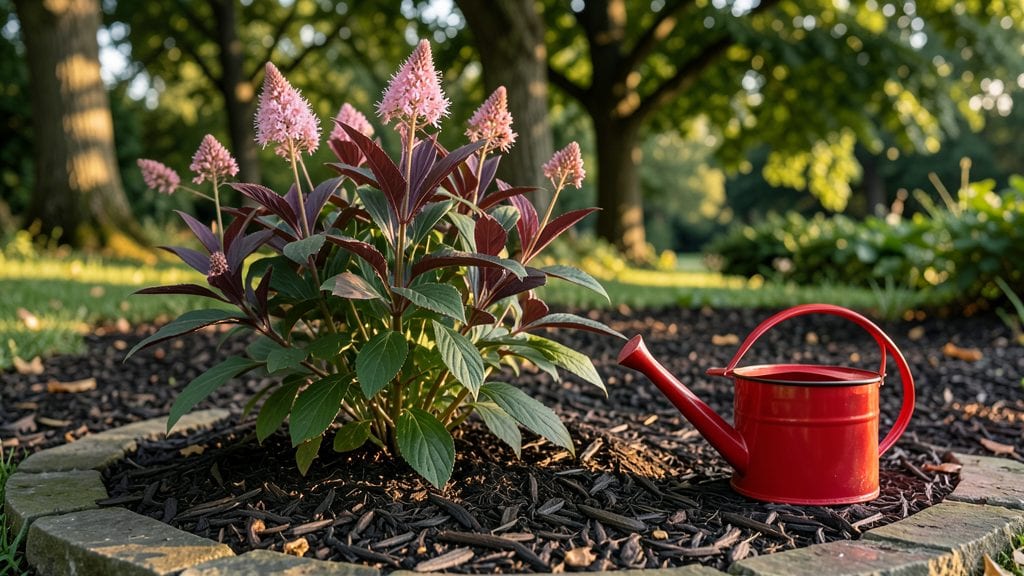
Creating a part shade garden that thrives year-round feels like solving a puzzle—except the pieces are plants that love dappled light and occasional shade. ✨ My first attempt was a disaster until I learned to pair sun-loving perennials with shade-tolerant shrubs, creating layers that work together instead of competing.
The key isn’t avoiding shade; it’s using it to your advantage with the right plant combinations.
The magic happens when you mix evergreen shrubs like boxwood or hydrangeas with seasonal bloomers such as astilbe and ferns. These plants handle morning sun and afternoon shade beautifully, while adding texture and color from spring through fall.
Even vegetables like lettuce and spinach thrive in these conditions, giving you fresh greens without full sun exposure. It’s all about balancing light and shade so every plant gets just what it needs.
By the end of the season, you’ll have a garden that stays lush even when others wilt in the heat. The layers create depth and movement, with flowers blooming at different times and foliage providing year-round interest.
Plus, the low-maintenance aspect means less watering, fewer weeds, and more time enjoying the results. Here’s how to layer it right for maximum impact.
This approach works in any yard—whether you’re dealing with a north-facing border, a tree’s dappled shadow, or a spot that gets only a few hours of sunlight.
The principles stay the same, and the payoff is a garden that feels alive and intentional, no matter the season. Let’s get those layers working together!
📚 In This Guide
- What you need
- Instructions
- Tips and common mistakes
- Wrapping up and next steps
What you need
- ● Soil amendments: Compost (2–3 inches, mixed into top 6–12 inches of soil)
- ● Organic mulch (3–4 inches, like shredded bark or pine needles)
- ● Plants: Choose a mix of shade-tolerant perennials, shrubs, and annuals (see our plant list for specifics!)
- ● Drip irrigation or soaker hose: 50–100 feet (adjust based on garden size)
- ● Garden trowel or spade
- ● Pruners (bypass for clean cuts)
- ● Wheelbarrow or bucket (for hauling soil/mulch)
- ○ Garden gloves (optional but highly recommended!)
- ● Measuring tape (for spacing plants evenly)
- ● Garden stakes or labels (for tracking plant names)
- ● Decorative rocks or edging (for a polished look)
- ● Slow-release fertilizer (for a nutrient boost)
- ● Birdhouses or feeders (to attract pollinators and wildlife!)
How to design a thriving part shade garden
Here's the approach I use to create a lush, low-maintenance garden that stays beautiful year-round.
🌱 Step 1: Assess Your Shade Conditions
First, observe your space for at least a week to determine the exact shade pattern. Note when sunlight hits different areas—morning, afternoon, or all day—and how much light actually reaches the ground. I like to use a simple sunlight tracker (just a white board propped up) to map the light changes throughout the day. This helps me divide the area into zones: deep shade (less than 3 hours of sun), partial shade (3-6 hours), and dappled shade (filtered light through trees).
Real talk: most gardeners overestimate their shade. If your space gets any direct sun, even for a few hours, it counts. This assessment ensures you choose plants that will thrive without competition for light.
🪴 Step 2: Build a Moisture-Retentive Soil Base
Part-shade gardens often have soil that stays damp longer, so improving drainage and moisture retention is key. I start by spreading a 2-3 inch layer of compost over the garden bed to enrich the soil and help it hold moisture without becoming waterlogged. Next, I mix in a 1-inch layer of coarse sand or perlite to improve drainage while retaining enough water for shade-loving plants.
Don't skip this step—soil that stays too wet leads to root rot, especially for plants like ferns and hostas. After amending, I lightly rake the surface to create a fine, even texture. This prep ensures your plants get the consistent moisture they need without the risk of soggy roots.
☀️ Step 3: Plant for Seasonal Interest
Layer your garden with plants that offer color, texture, and structure in every season. For spring, I plant bleeding heart and heuchera for their delicate foliage and early blooms. In summer, astilbe and hydrangeas take center stage with their lush, flower-filled foliage. For fall and winter, I rely on Japanese forest grass and evergreen ferns to keep the garden vibrant even when other plants fade.
Here's the thing—place taller plants like hostas and coral bells toward the back, mid-height plants like heuchera in the middle, and low-growing ground covers like ajuga or sweet woodruff in the front. This creates depth and ensures every layer gets the light it needs without shading out smaller plants.
💧 Step 4: Mulch to Retain Moisture and Suppress Weeds
Spread a 2-3 inch layer of organic mulch—like shredded bark or wood chips—over the soil surface to keep moisture in and weeds out. I always pull mulch back slightly from plant stems to prevent rot. This layer also regulates soil temperature, which is especially helpful in part-shade areas where soil can stay cooler and wetter for longer.
Replenish the mulch layer every 6-12 months as it breaks down. You'll know it's time when you see more soil than mulch peeking through. This simple step drastically reduces watering needs and keeps your garden looking neat and tidy.
⏰ Step 5: Maintain with Seasonal Care
In spring, I remove any dead foliage from the previous season and add a fresh layer of compost to feed the soil. During the growing season, I water deeply once a week (or more if there’s no rain), focusing on the base of plants to encourage strong root growth. In fall, I trim back any spent blooms and add a thick layer of mulch to protect roots from winter temperature swings.
Don’t overwater—part-shade plants are often drought-tolerant once established. Watch for yellowing leaves or wilted foliage as signs you need to adjust your watering. With this approach, your garden will stay lush, vibrant, and low-maintenance all year long.
Tips & tricks for perfect part shade garden design
A few simple strategies that'll transform your shady space into a thriving, four-season oasis without the guesswork.
Light Mapping Matters: Don't rely on memory—actually track sunlight patterns for a full week using a white board as your sunlight tracker. I've seen gardeners assume their space is deep shade only to discover morning sun peeks through for 3 hours. That extra light changes which plants will thrive. Mark your zones clearly: deep shade (under 3 hours), partial shade (3-6 hours), and dappled light areas. This precision prevents underperforming plants and wasted money on unsuitable varieties.
Soil Science Secret: The 2-3 inch compost layer in Step 2 isn't just about nutrients—it's about creating the perfect moisture balance. I've ruined shade gardens by skipping this step, leading to soggy soil that suffocates roots. For extra insurance, mix in that 1-inch sand layer and test your soil's drainage by pouring water on it. If it pools after 15 minutes, you need more sand. Well-drained soil means healthier plants that handle part-shade conditions beautifully.
Plant Placement Pro Tip: When arranging your seasonal layers in Step 3, think vertically as well as horizontally. Tall hostas and coral bells belong at the back, but don't forget to tuck some smaller varieties like heuchera behind them to create mid-level interest. I've learned this the hard way—crowding all your tall plants together creates dead zones where sunlight never reaches the ground. This simple layering trick maximizes every inch of your part-shade space.
Mulch Maintenance Magic: That 2-3 inch mulch layer in Step 4 does more than suppress weeds—it's your moisture regulator. Check it every 6 months (or when you see soil peeking through) and refresh as needed. Pro tip: Use cedar mulch if you have deer in your area—they avoid it! And always pull mulch back from stems to prevent rot. I've seen too many beautiful shade plants lost to this simple oversight. A well-maintained mulch layer means less watering and more vibrant plants all season long.
Pro Tips for Part Shade Garden
- A few simple strategies that'll transform your shady space into a thriving, four-season oasis without the guesswork.
- Light Mapping Matters: Don't rely on memory—actually track sunlight patterns for a full week using a white board as your sunlight tracker.
- Soil Science Secret: The 2-3 inch compost layer in Step 2 isn't just about nutrients—it's about creating the perfect moisture balance.
Frequently asked questions
What’s the difference between part shade and full shade?
Part shade gets 3–6 hours of direct sunlight daily (often morning sun + afternoon shade), while full shade gets less than 3 hours. Part shade is ideal for plants like hostas, ferns, and astilbes—they’ll wilt in full sun but thrive where others struggle.
When’s the best time to plant in a part-shade garden?
Spring (after last frost) or early fall are perfect—soil is warm, and plants establish roots before extreme temps. Avoid summer heat, which can stress seedlings. Pro tip: Mulch heavily after planting to retain moisture and cool roots.
Can I grow vegetables in part shade?
Leafy greens (kale, spinach, lettuce), herbs (cilantro, parsley), and root veggies (radishes, carrots) do well with partial shade. Just avoid fruiting crops like tomatoes—they need 6+ hours of sun to ripen properly.
Why are my part-shade plants looking leggy or weak?
Leggy growth often means too little light or overcrowding. Try:
- Thinning plants for better airflow.
- Moving lighter-needy species (like impatiens) to brighter spots.
- Adding a reflective surface (like white gravel) to bounce light upward.
What if my yard has only dappled shade (e.g., under trees)?
Dappled shade is great for woodland plants like heucheras, lungwort, or Japanese forest grass. These tolerate filtered light and compete well with tree roots. Just avoid shallow-rooted perennials—they’ll struggle if roots are outcompeted.
How do I transition a sunny garden to part shade?
Start by gradually acclimating plants (move pots to shadier spots over 2–3 weeks). Replace sun-lovers (lavender, succulents) with shade-tolerant swaps like coleus, begonias, or ferns. Amend soil with organic matter to improve moisture retention.
Wrapping up and next steps
A part shade garden is your ticket to year-round beauty with minimal fuss! By layering plants that thrive in dappled light, you create a lush, ever-changing space that’s both resilient and stunning.
Whether you’re a seasoned gardener or just starting out, this approach makes maintenance a breeze while keeping your outdoor space vibrant.
Ready to transform your garden? Start small—pick one layer (like ground cover or shrubs) and build from there! 🌿 With the right plants and a little planning, your part shade oasis will flourish effortlessly.