
Tools
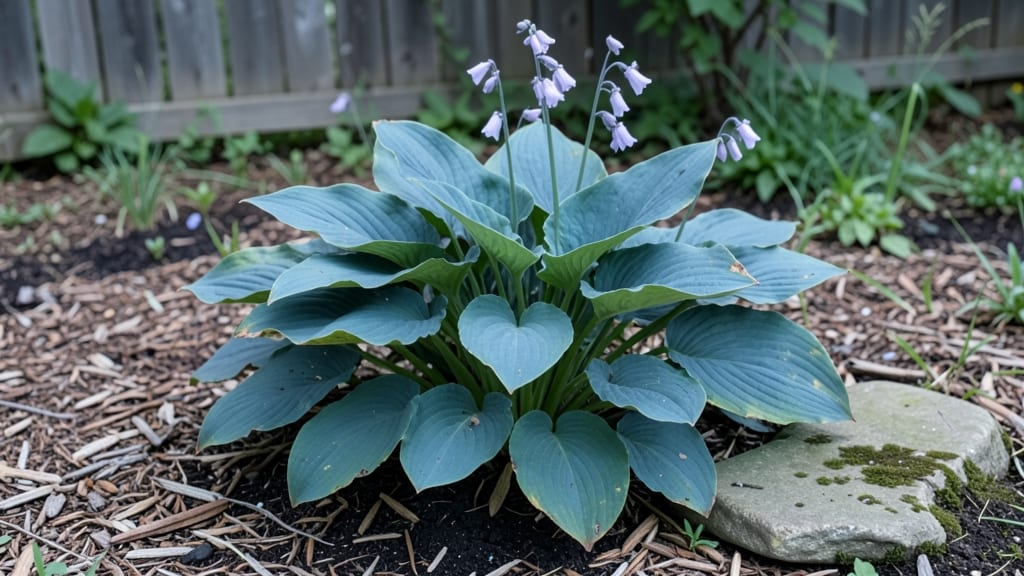
A Japanese shade garden thrives where sunlight filters through leaves like liquid gold. 🌿 I stumbled upon this concept after struggling with sunburnt plants in my backyard—until I carved out a cool, dappled corner where ferns unfurled like delicate lace and hostas grew plump with emerald leaves.
The secret lies in embracing the shade rather than fighting it, turning what others see as a limitation into a lush, whisper-quiet sanctuary.
Start with the right plants: ferns for texture, hostas for bold foliage, and azaleas for bursts of color when they bloom. Add moss to soften the ground and smooth river rocks to create natural pathways.
A small water feature—even a simple bamboo fountain—brings the sound of moving water, completing the tranquil atmosphere. The key is layering: tall plants at the back, mid-height in the middle, and ground covers up front to create depth without overwhelming the space.
By summer’s end, you’ll have a garden that feels like stepping into a secret world. The air stays cooler, the colors more subtle and sophisticated, and the maintenance lighter than a sun-drenched border. No more wilting—just lush, serene layers that invite you to linger.
The real magic? It works in any yard, from city balconies to sprawling backyards, as long as you can find that perfect spot where the light dances just out of reach.
Here’s where it gets interesting—this isn’t just about plants. It’s about creating a mood: the quiet hum of insects, the way light shifts through leaves, the way a well-placed lantern glows after dark.
Start small with one corner, and let the garden grow into something that feels timeless. The Japanese call it yūgen—profound grace—and that’s exactly what you’ll achieve.
📚 In This Guide
- What you need
- Instructions
- Tips and common mistakes
- Wrapping up and next steps
What you need
- ● Soil: Well-draining, acidic soil mix (e.g., 60% peat moss, 30% perlite, 10% compost). ~10 cubic yards for a 10’x10’ garden.
- ● Moss: Sheffield or Hypnum moss (pre-moistened sheets for coverage). ~20 sq. ft. per 10’x10’ area.
- ● Shade-tolerant plants: Fern varieties (e.g., Matteuccia struthiopteris, Dryopteris erythrosora). 5–10 plants.
- ● Hostas (e.g., Hosta sieboldiana). 3–5 plants.
- ● Japanese maples (Acer palmatum). 1–2 small trees.
- ● Orchids (e.g., Phalaenopsis or Cymbidium). 3–5 plants.
- ● Decorative elements: Stone lanterns (tōrō). 1–3 (varies by size).
- ● Bamboo fencing or shōji-style screens. ~10–15 linear feet.
- ● Gravel (small, smooth pebbles). ~5–10 lbs for pathways.
- ● Digging: Spade, garden fork, and trowel.
- ● Planting: Hand pruners, gloves, and a wheelbarrow.
- ● Watering: Hose with adjustable nozzle or a watering can.
- ○ Leveling: Rake and a laser level (optional but helpful).
- ● Safety: Knee pads and dust mask (for soil work).
- ● Mulch (cedar chips or pine bark) to retain moisture.
- ● Drip irrigation system for low-maintenance watering.
- ● Wind chimes or a small tsukubai (stone water basin) for ambiance.
- ● Japanese-inspired karesansui (dry landscape) elements (e.g., raked gravel patterns).
How to design a Japanese-inspired shade garden
Create a tranquil retreat with these time-tested layers for cool, filtered light spaces.
🪴 Step 1: Choose the Right Location and Base Materials
Select a spot with dappled or partial shade—think 3-6 hours of indirect sunlight daily. Japanese shade gardens thrive under mature trees where light filters through leaves. Clear the area of weeds and debris, then lay down 2-3 inches of landscape fabric to suppress weeds without blocking water flow.
Next, spread 3-4 inches of coarse sand over the fabric to create a smooth, level base. This prevents soil compaction and improves drainage, which is crucial for moisture-loving shade plants. I like to rake the sand until it's as even as a Zen garden's gravel—smooth but not packed down.
🌿 Step 2: Build Layered Planting Beds
Japanese gardens use three distinct layers: tall anchor plants, mid-height accents, and low ground covers. Start with 2-3 tall plants like hostas, ferns, or Japanese painted ferns at the back. These should reach 2-3 feet tall and create a natural backdrop. Space them 18-24 inches apart for mature growth.
For the middle layer, add dwarf bamboo, astilbes, or Japanese forest grass at 12-18 inches apart. These should spill slightly over the edges of the bed to create soft, flowing movement. Finally, fill the front with creeping jenny, ajuga, or moss to cover the soil completely—this mimics the lush, carpet-like look of traditional Japanese gardens.
☀️ Step 3: Add Focal Points and Water Features
Even shade gardens need focal points. Place a small stone lantern, a moss-covered boulder, or a simple wooden bench to draw the eye. I often use flat river stones arranged in a natural curve—this adds texture without overwhelming the space. For water, a miniature bamboo fountain or a shallow stone dish creates soothing sounds and attracts beneficial insects.
If adding water, ensure the feature is no deeper than 3 inches—Japanese aesthetics favor simplicity. Position it where it reflects light through the canopy, creating moving dapples on the ground. Avoid placing it directly under dense foliage, or the water will stay too still.
✂️ Step 4: Mulch and Maintain for Long-Term Serenity
Spread 2-3 inches of shredded bark mulch over the soil surface, leaving a 1-inch gap around stems to prevent rot. This mimics the natural forest floor and keeps moisture levels consistent. I prefer cedar mulch because it resists decomposition and adds a subtle, earthy scent.
Water deeply once a week (or more in extreme heat) until the top 2 inches of soil feel moist. Japanese shade gardens dislike soggy roots, so always check before watering again. Prune leggy growth in spring and remove spent foliage in fall—this keeps the garden looking intentional, not wild.
🌱 Step 5: Refine Over Time for Perfect Balance
Japanese gardens evolve slowly. After the first season, assess which plants thrive and which struggle. Swap out underperformers with hardy shade-loving options like Japanese anemones or lungwort. I like to add one new plant each year—this keeps the garden feeling fresh without overwhelming the space.
Pay attention to light changes as trees mature. If a spot becomes too dark, introduce variegated hostas or golden ferns—their bright foliage brightens shady corners. The goal is harmony, not perfection. A slightly uneven edge or a lone plant breaking the pattern often feels more natural than rigid symmetry.
Tips & tricks for perfect Japanese shade garden design
Here's what I've learned from years of creating these peaceful outdoor spaces—tricks that make all the difference in achieving that authentic Japanese aesthetic.
Location is Everything: That 3-6 hours of indirect sunlight is crucial—don't skimp on this step! I've seen gardens fail when placed under dense evergreens that block all light. Look for spots where sunlight filters through leaves in shifting patterns throughout the day. If your area gets less than 3 hours, consider adding variegated plants that tolerate lower light conditions.
Layering Secret: The three-layer approach in Step 2 creates that signature Japanese depth. For the tall anchor plants, I recommend starting with 2-3 hostas or ferns—these provide that essential vertical element. The key is to plant them slightly staggered rather than in perfect lines. In nature, plants don't grow in rigid rows, and that's what gives these gardens their organic feel.
Water Feature Wisdom: When adding water in Step 3, remember that sound is just as important as appearance. Place your bamboo fountain or stone dish where you'll hear the water when sitting in your garden spot. The gentle sound of moving water enhances the meditative quality. Pro tip: Add a few smooth river stones around the water feature—they'll help create natural ripples when water flows over them.
Mulching Like a Pro: That 2-3 inches of cedar mulch isn't just for looks—it's a game-changer for moisture control. I've found that cedar mulch actually repels insects while keeping soil moist. The 1-inch gap around stems prevents rot, which is especially important for moisture-loving shade plants. Spread it evenly but don't pack it down—leave it loose to allow water penetration.
Pro Tips for Japanese Shade Garden
- Here's what I've learned from years of creating these peaceful outdoor spaces—tricks that make all the difference in achieving that authentic Japanese aesthetic.
- Location is Everything: That 3-6 hours of indirect sunlight is crucial—don't skimp on this step!
- Layering Secret: The three-layer approach in Step 2 creates that signature Japanese depth.
Frequently asked questions
Got questions about creating or maintaining your own Japanese shade garden?
Here are some of the most common inquiries—plus straightforward answers to help you craft your tranquil retreat with confidence.
What plants thrive best in a Japanese shade garden?
A Japanese shade garden flourishes with moisture-loving, low-light plants like ferns (e.g., Matteuccia struthiopteris), hostas, astilbes, and Japanese maples (Acer palmatum). For texture, add mosses, hellebores, or Pieris japonica. Avoid sun-loving succulents or cacti—they’ll wither in dappled shade!
How long does it take to establish a Japanese shade garden?
Patience is key! A basic framework (stones, pathways, and hardy perennials) can take 3–6 months to feel established. Full maturity—lush foliage, layered plants, and a serene ambiance—may take 2–5 years, depending on climate and plant types. Start small and expand gradually.
Are there budget-friendly alternatives to traditional Japanese garden materials?
Skip pricey toro (lanterns) or hand-carved stones by using:
- Recycled slate or flagstone for pathways
- DIY bamboo fencing (split or rolled) for screening
- Local river rocks or gravel instead of imported tobi-ishi
- Thrifted ceramic pots as planters
How do I keep my shade garden moist without overwatering?
Japanese gardens thrive on consistent moisture, but soggy soil invites pests. Try:
- Mulch heavily (wood chips or straw) to retain humidity.
- Install a drip irrigation system on a timer for precision.
- Use well-draining soil mixed with compost.
- Group plants by water needs (e.g., ferns near streams, hostas in drier spots).
What’s the best way to deter pests in a shade garden?
Shady, damp spaces attract slugs, snails, and fungus gnats. Combat them naturally with:
- Copper tape around borders to repel slugs.
- Crushed eggshells or diatomaceous earth as barriers.
- Encourage beneficial insects (ladybugs, ground beetles) with companion plants like chives or marigolds.
- Prune affected foliage promptly to limit spread.
Wrapping up and next steps
A Japanese shade garden isn’t just a space—it’s a sanctuary where nature’s quiet beauty thrives under dappled light. By thoughtfully layering plants, textures, and serene elements, you’ve unlocked a tranquil retreat that blends artistry with practicality.
Whether you’re a seasoned gardener or just starting, this design invites mindfulness and creativity into your outdoor space.
Ready to bring this vision to life? Start small—sketch a design, gather a few key materials, and let your garden grow organically. Every leaf and stone is a step toward your own peaceful oasis. 🌿✨